Use the framed size when measuring your wall space.
SOLD OUT. This edition was super popular and is now completely sold out. Be the first to hear about new artworks and get early access — sign up now and follow the artist.
Lumasec in Massivholz ArtBox - Canadian Maple brown
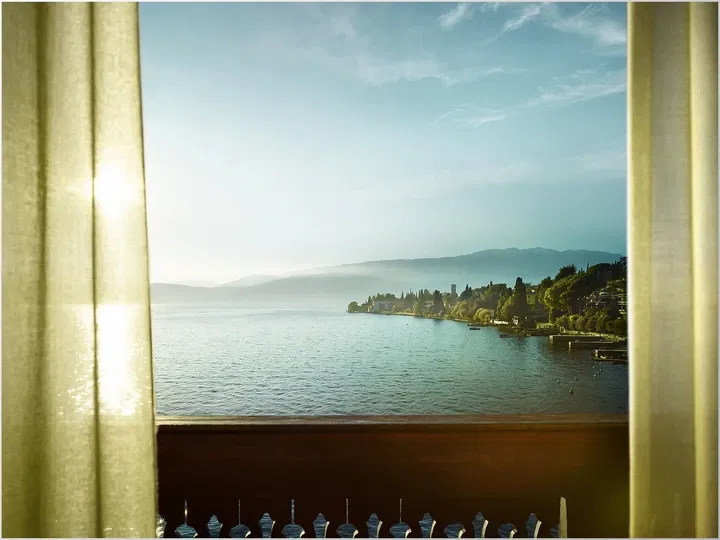
Werner Pawlok photographs places as though they had a memory of their own. His images reveal what has accumulated within walls, among people and across landscapes: past and present, splendour and transience, traces of lives once lived. Whether in Havana, Venice, New Orleans or Sicily, Pawlok does not seek the quintessential image of a place. He searches for the moment when it reveals something of itself.
This attentiveness to the essence of what he encounters has shaped his work from the very beginning. Born in Stuttgart, Pawlok first picked up a camera at the age of sixteen to photograph his idol Jimi Hendrix on stage in 1969. International advertising campaigns, compelling Polaroid portraits and experimental bodies of work such as his “Photography Paintings” followed. Working with large-format Polaroids and transfer techniques he developed himself for handmade paper, Pawlok began crossing the boundaries between photography and painting early in his career. For him, technical processes are never an end in themselves. They expand the possibilities of his vision.
It was particularly in his independent projects that this vision became liberated from commissions and expectations. Here, the camera becomes an instrument of exploration: rather than documenting places in their entirety, Pawlok distils them into an experience.
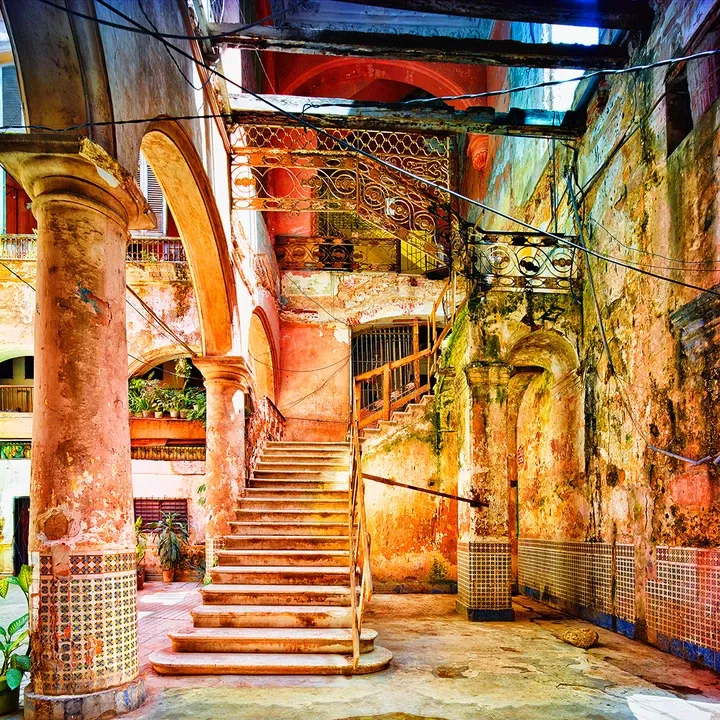
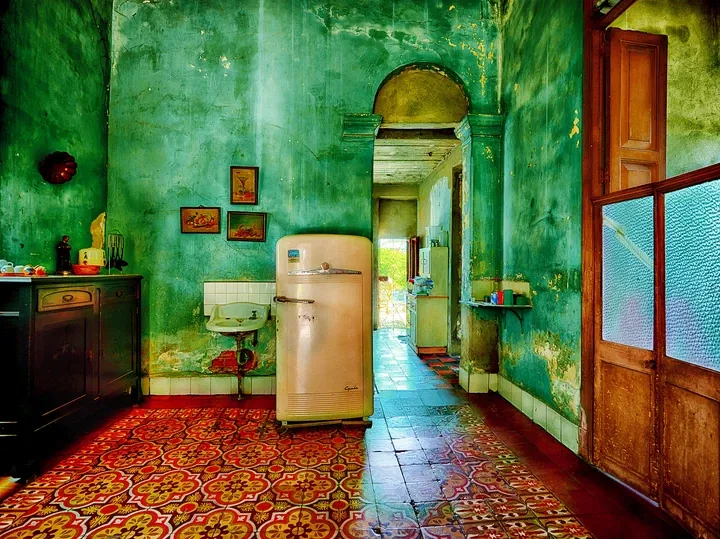
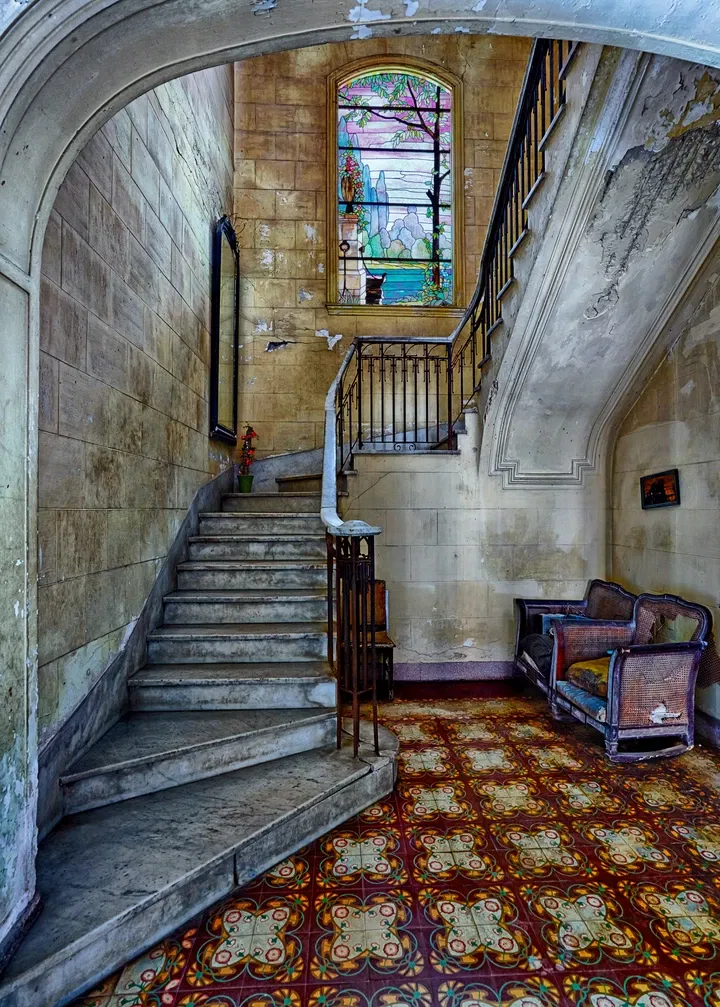
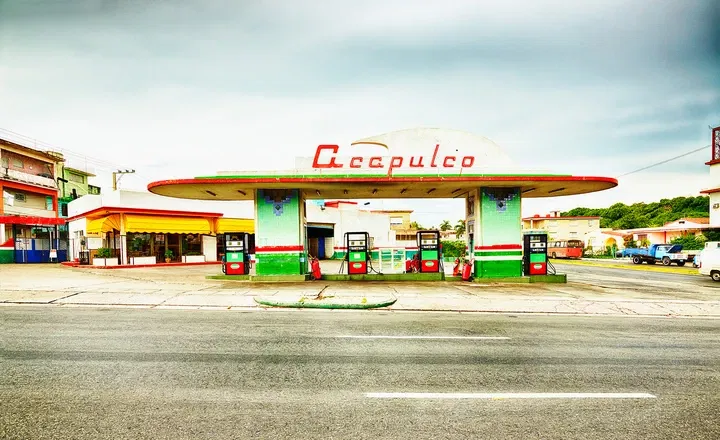
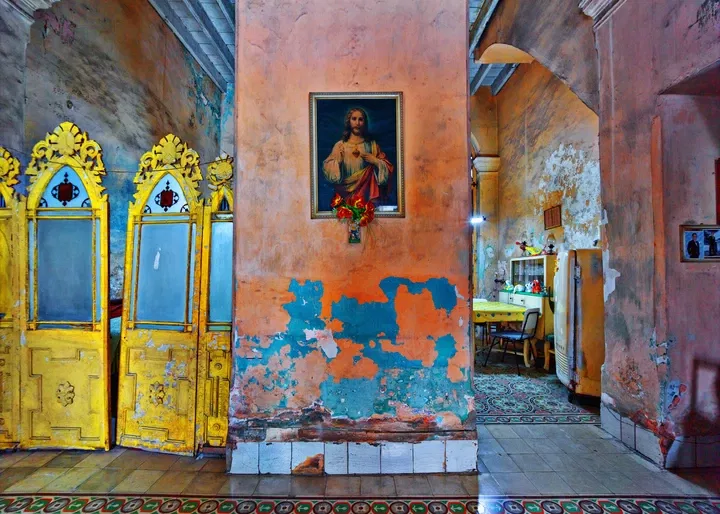
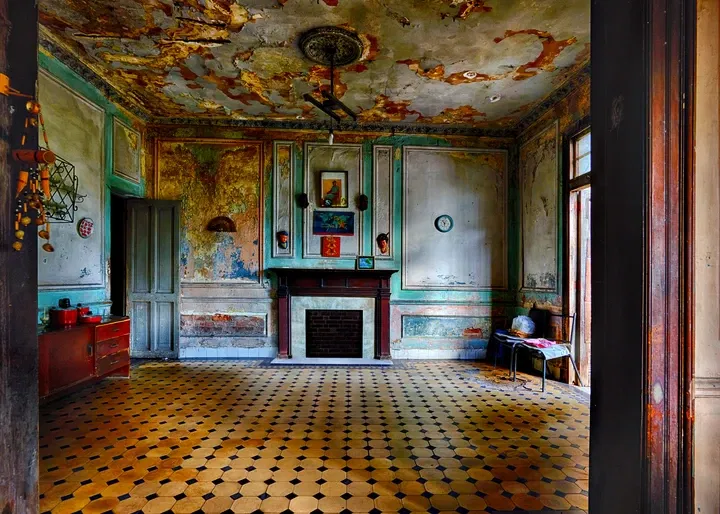
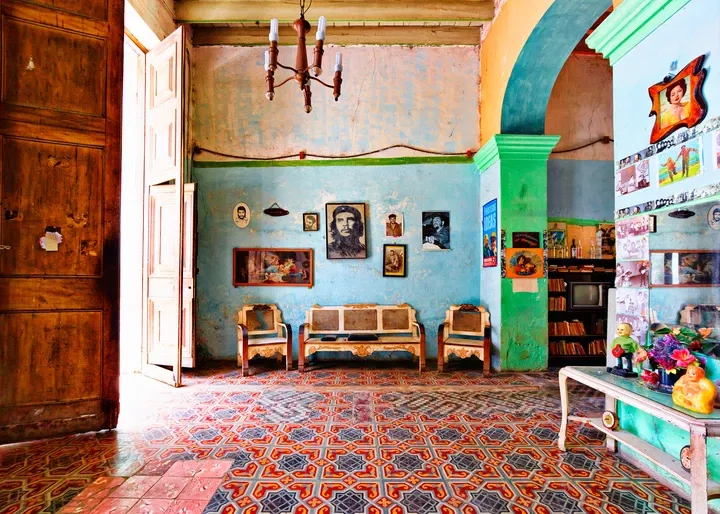
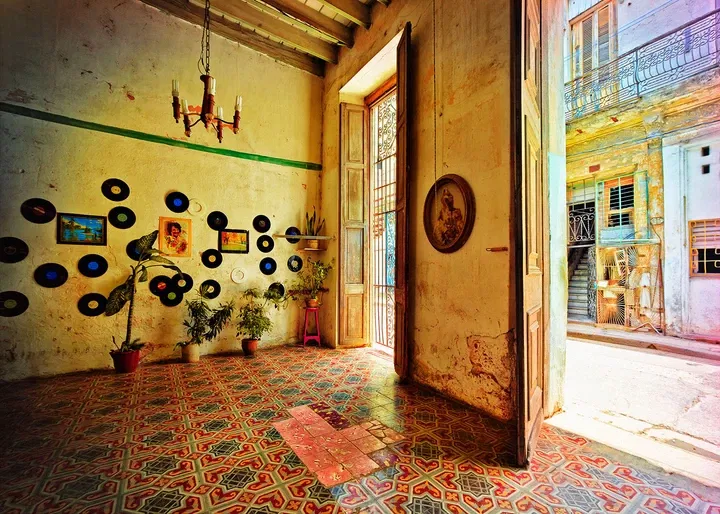
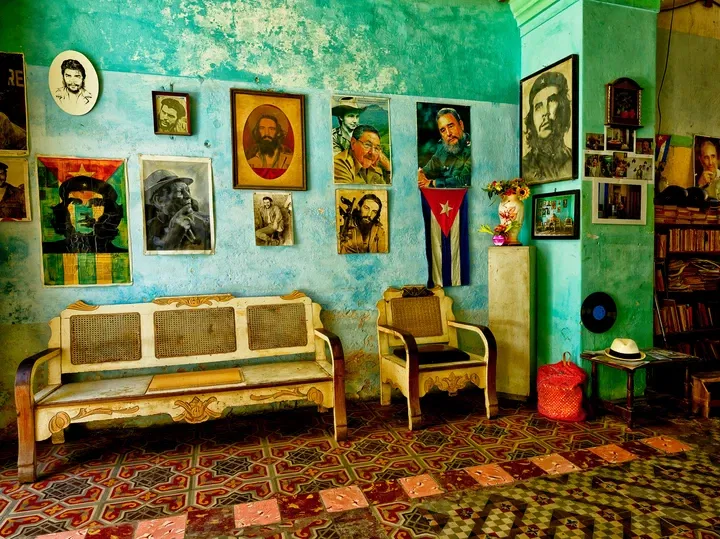
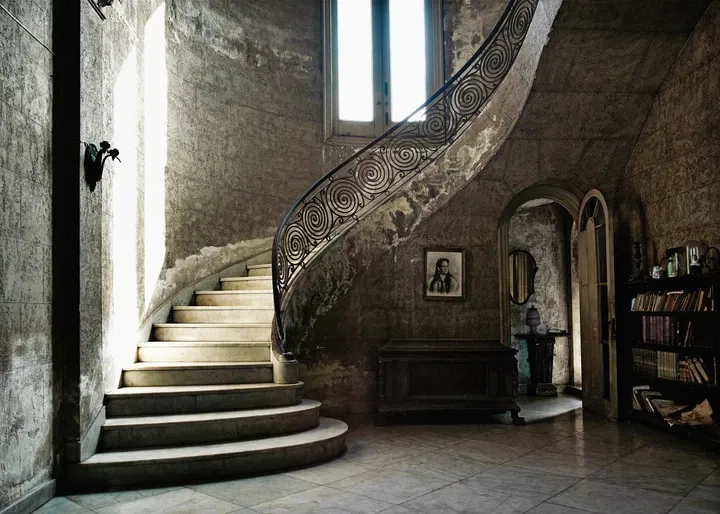
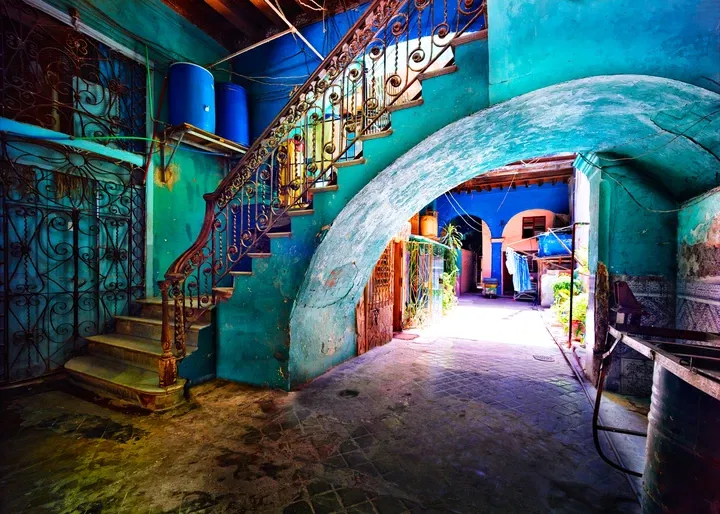
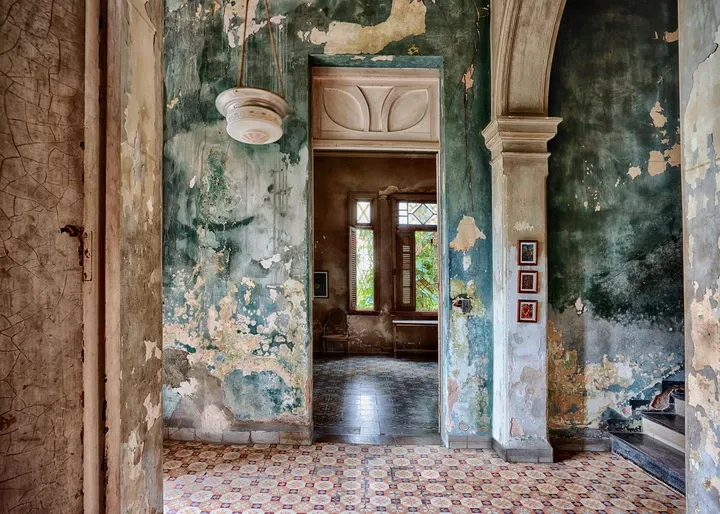
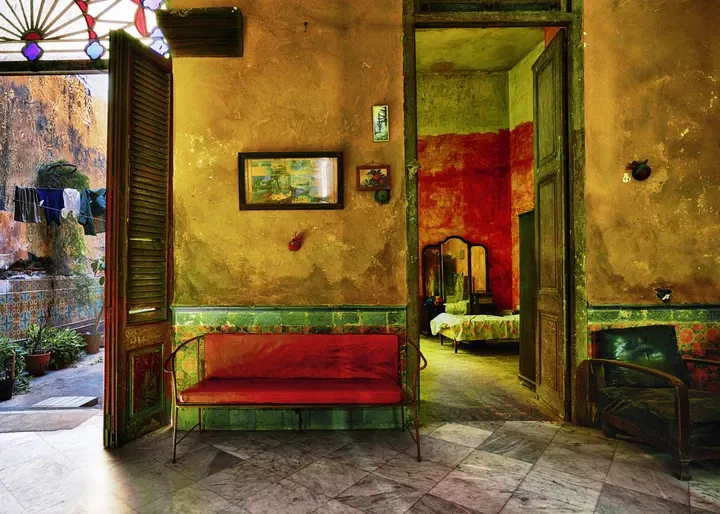
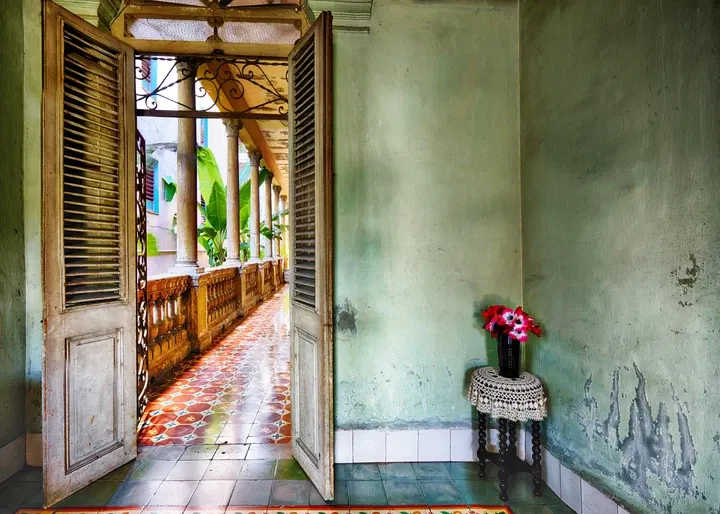
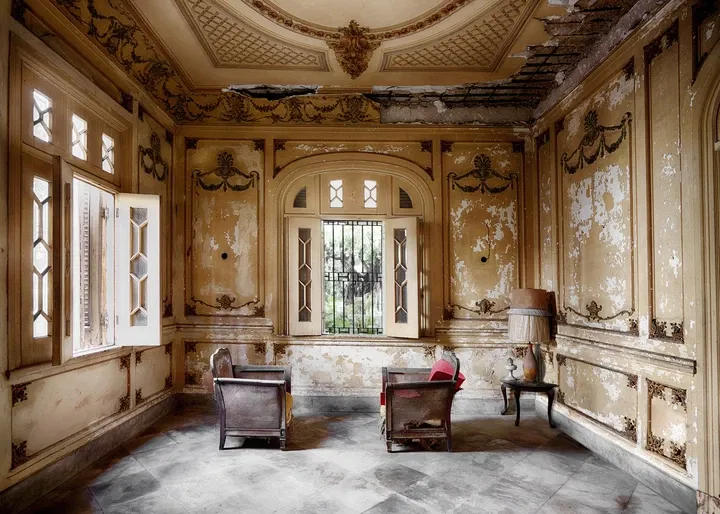
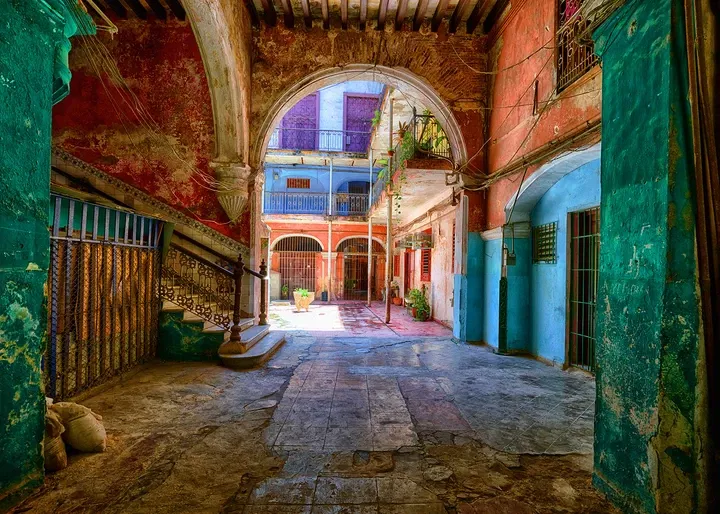
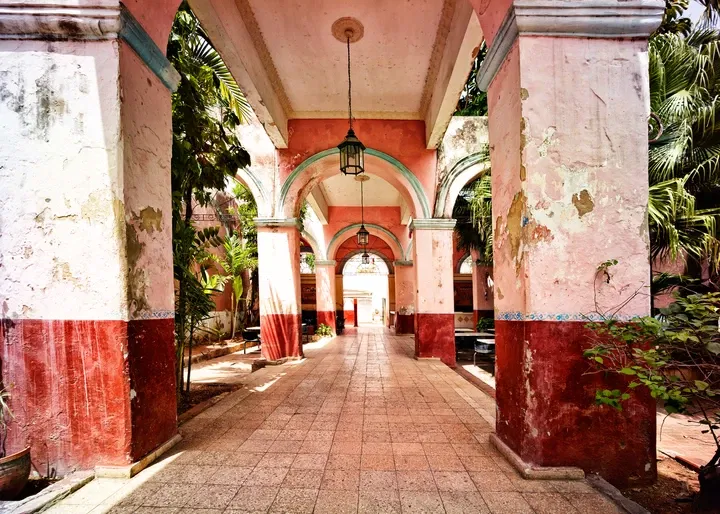
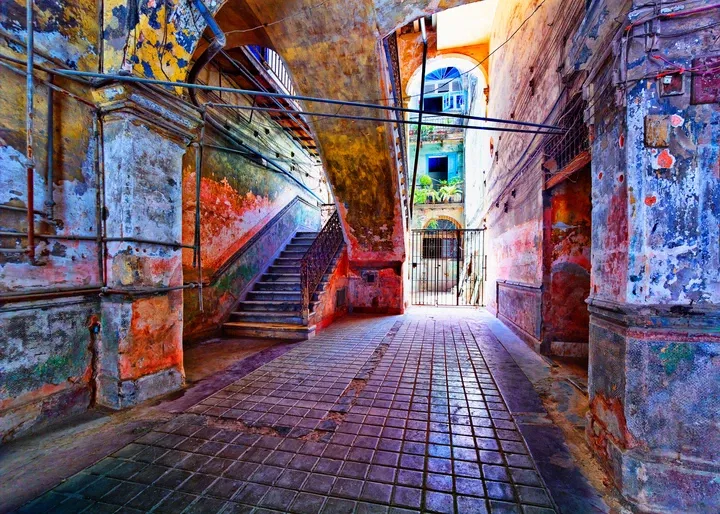
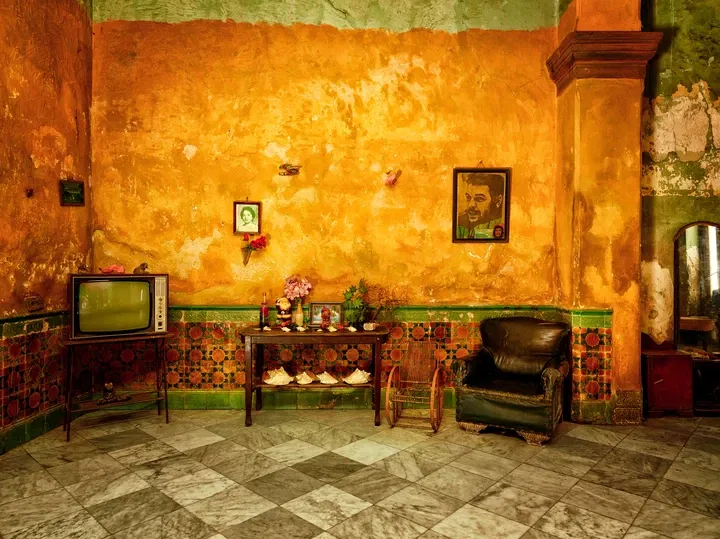
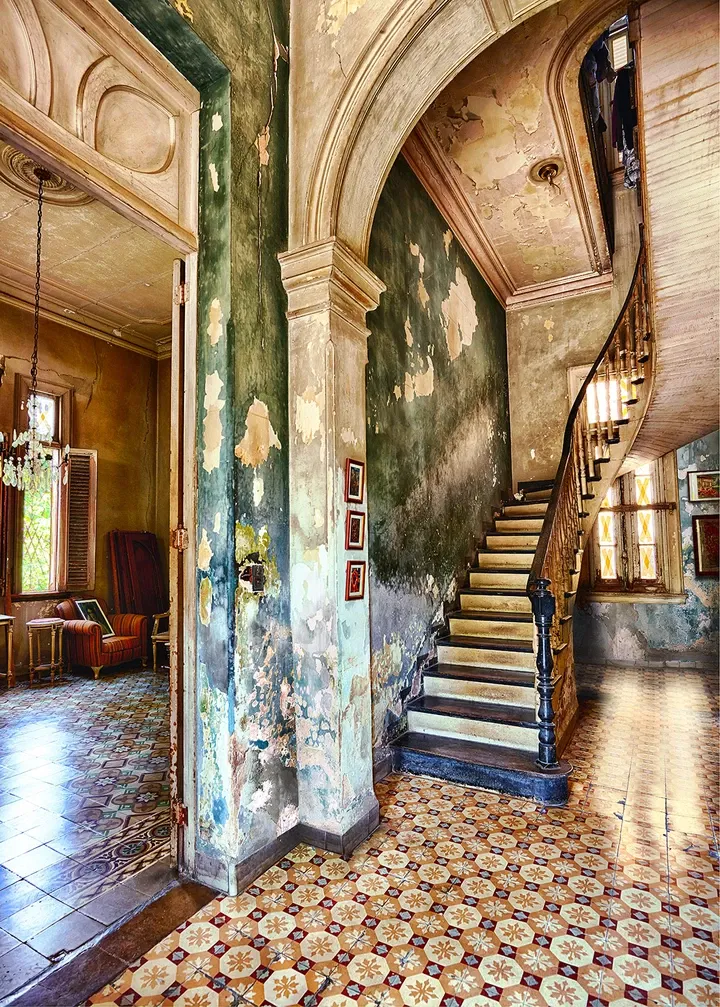
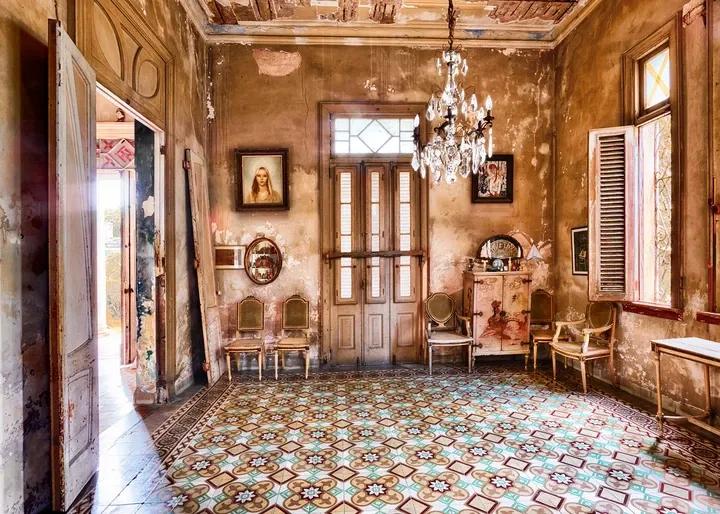
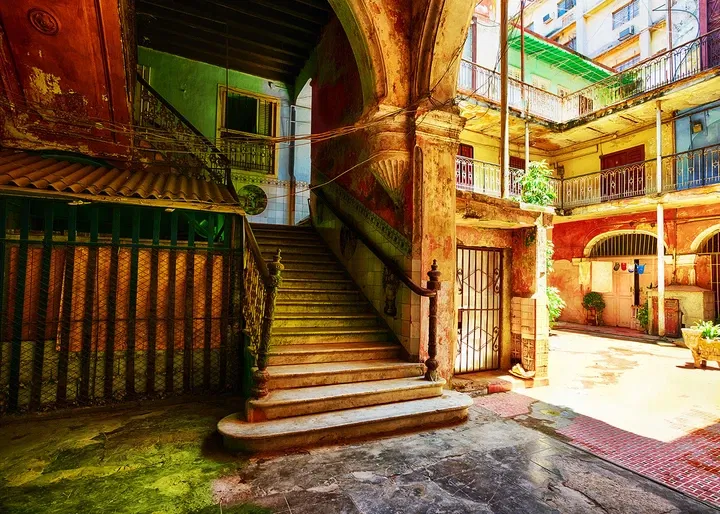
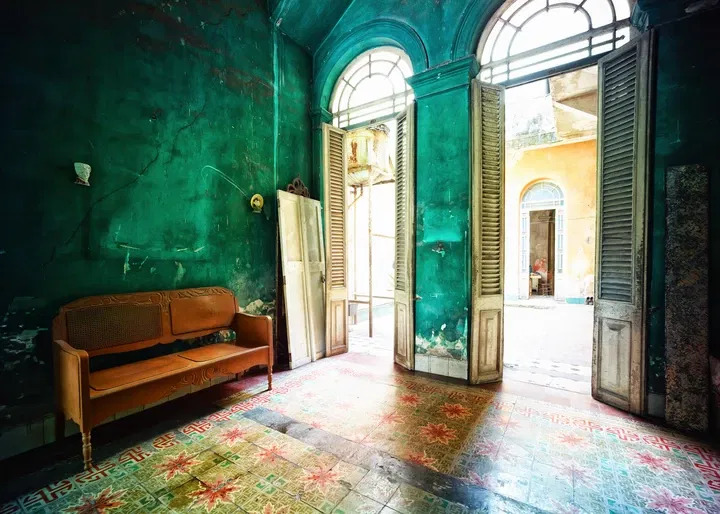
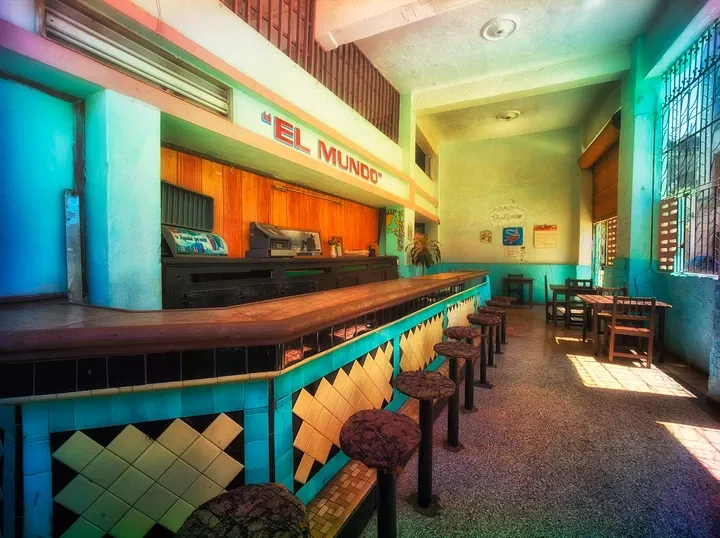
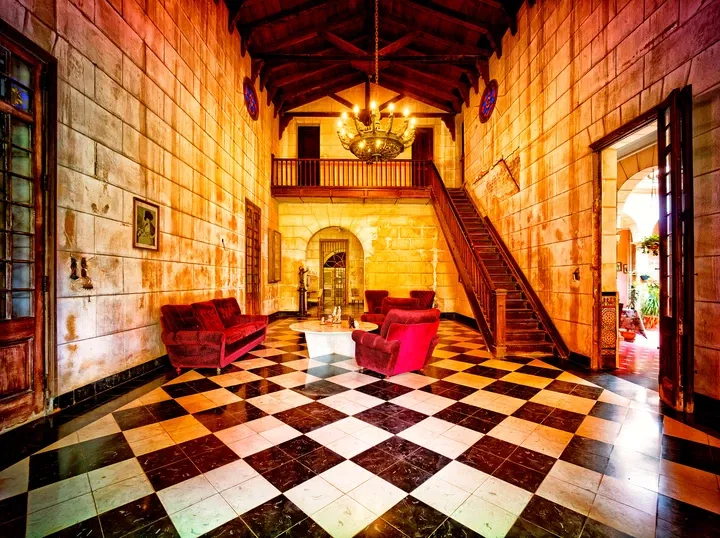
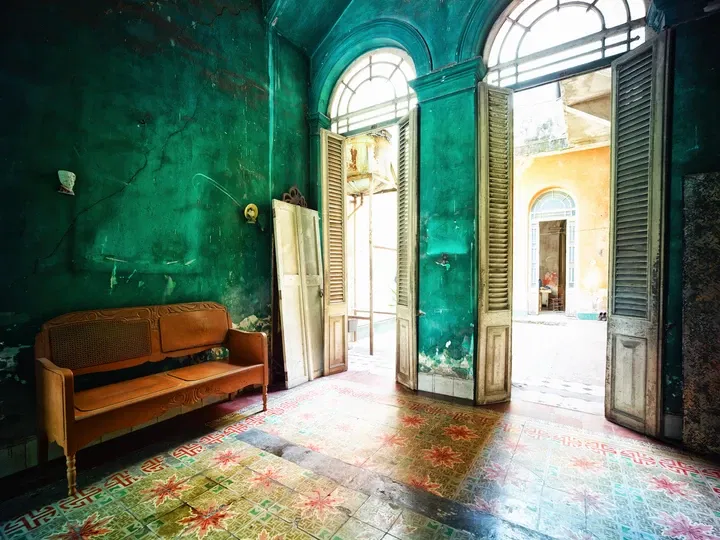
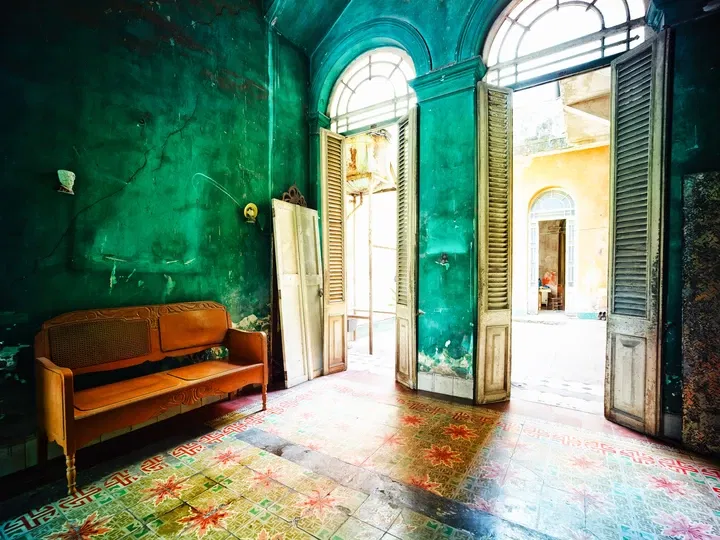
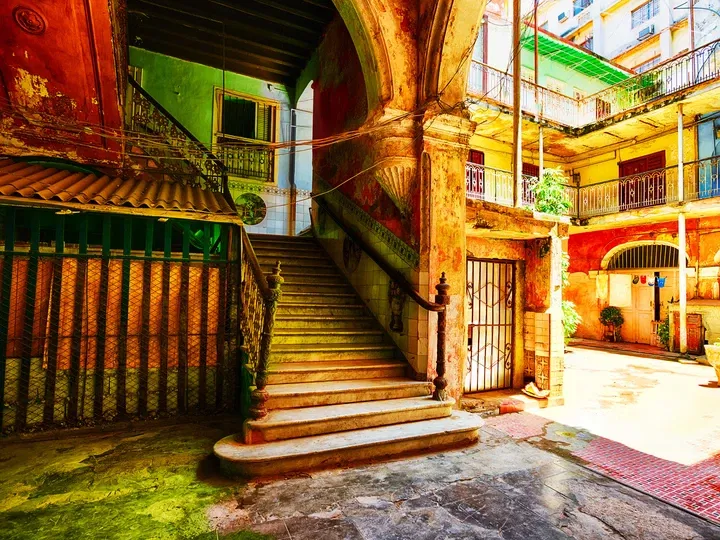
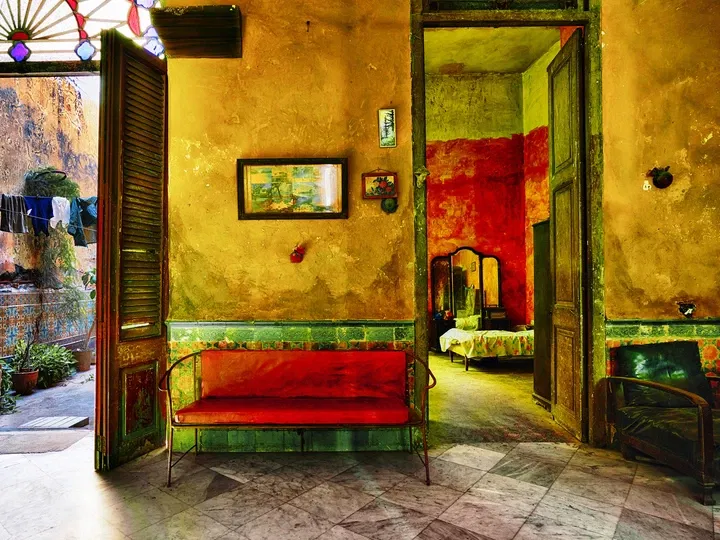
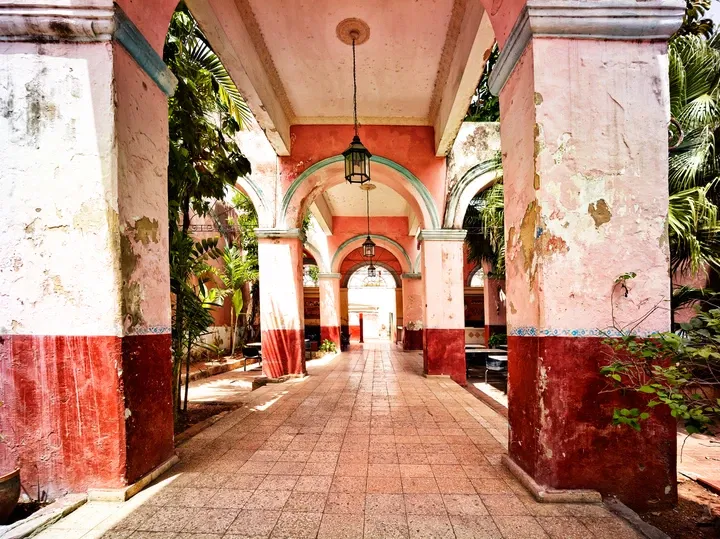
In “Cuba – expired”, he turns his attention to Havana’s decaying palaces. Where Cuba’s sugar aristocracy once resided, weathered walls, faded colours and abandoned interiors tell of former splendour. Absence becomes a particular form of presence: the deserted rooms still bear the traces of those who once inhabited them. Pawlok does not seek to preserve decay. He captures that fleeting state in which the past still seems present.
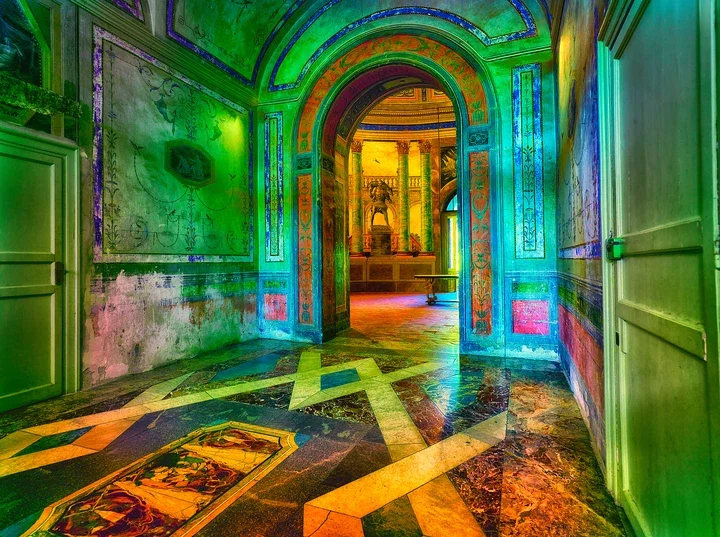
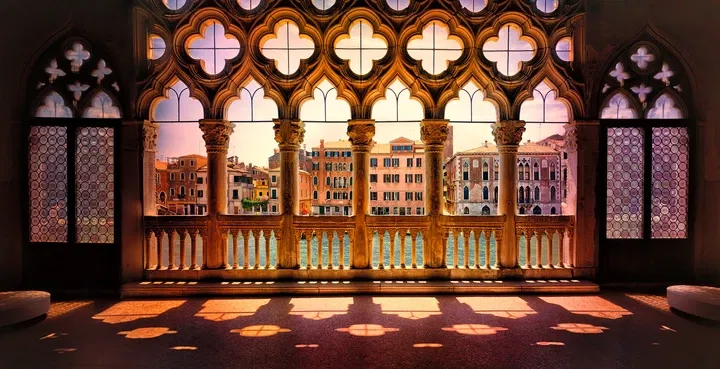
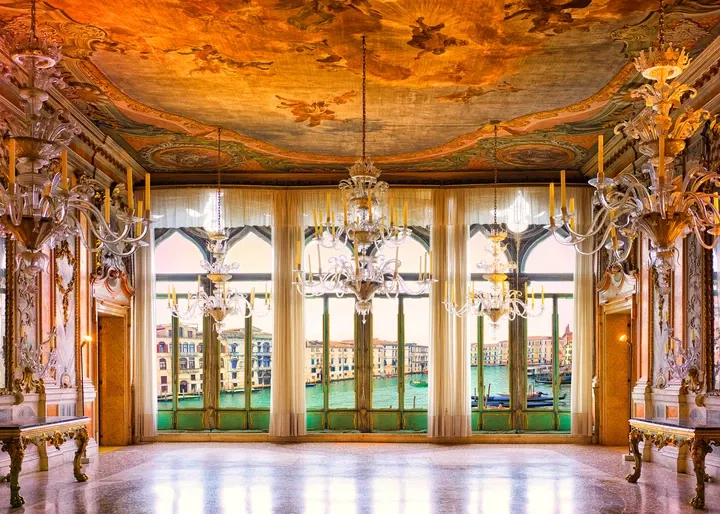
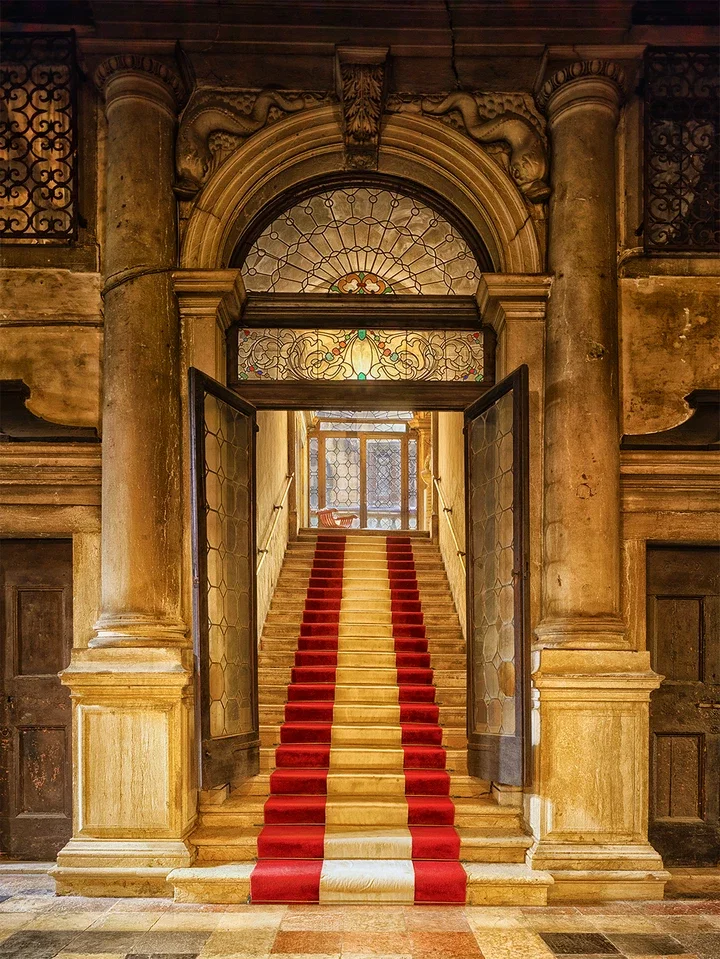
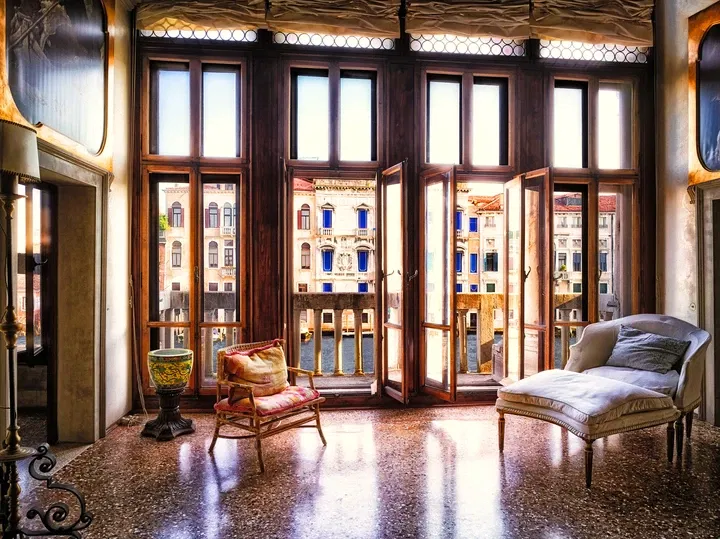
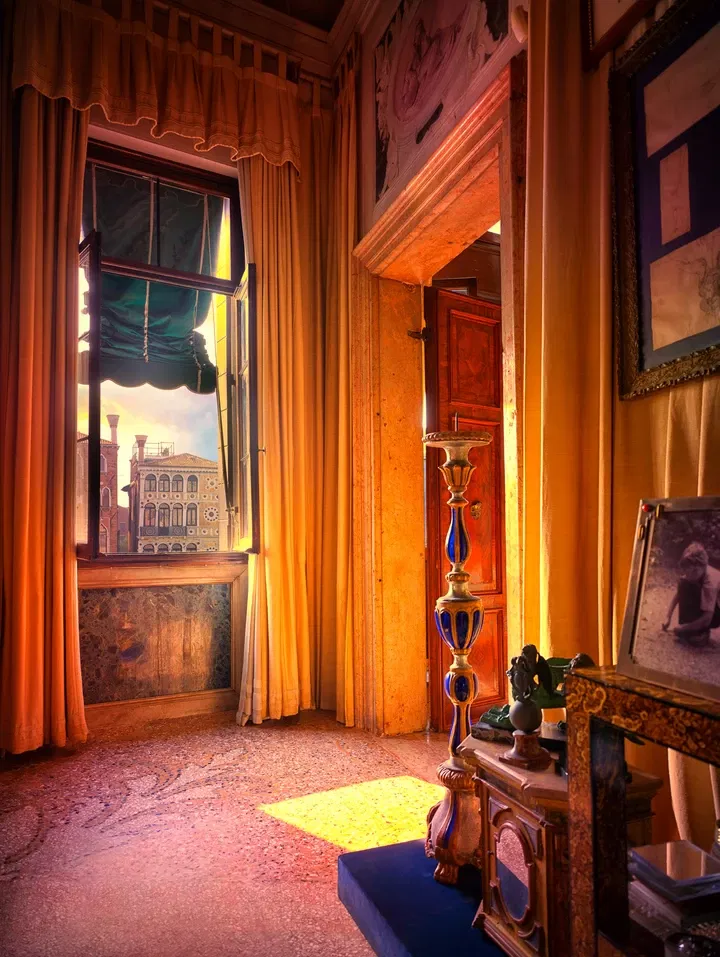
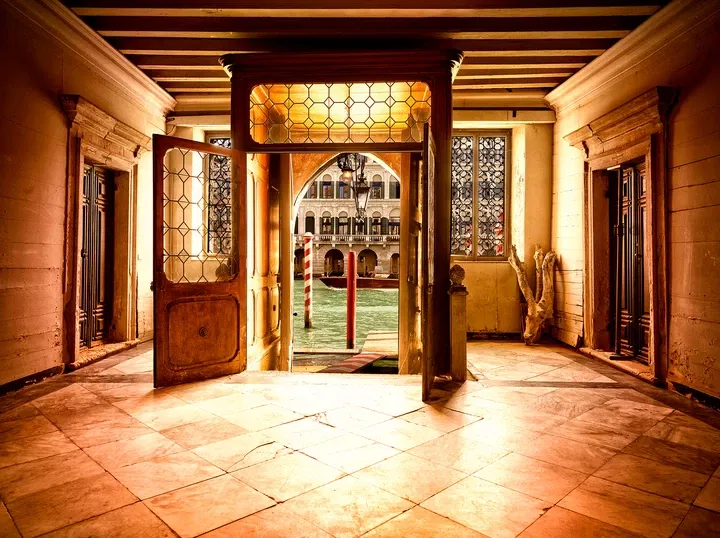
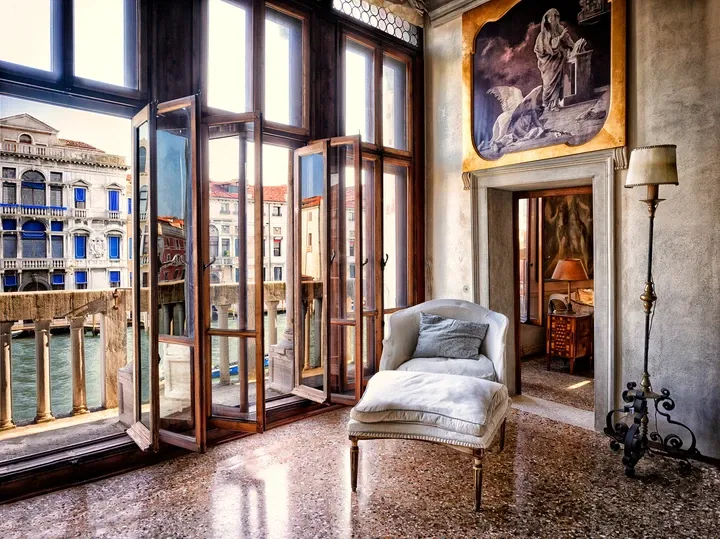
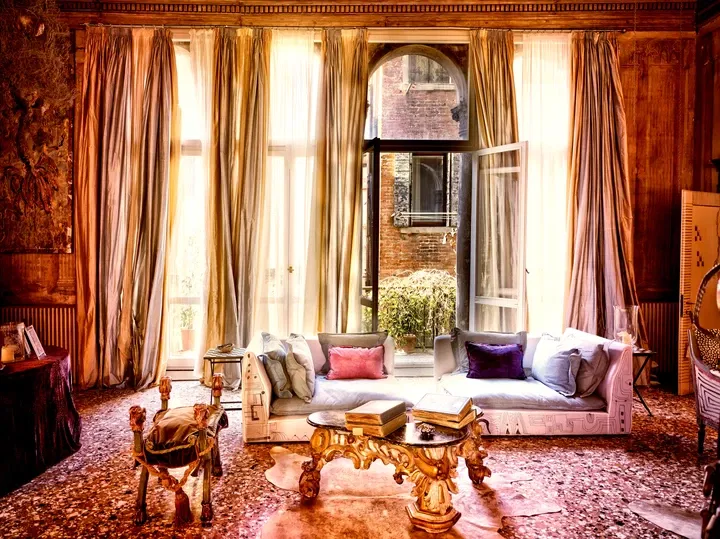
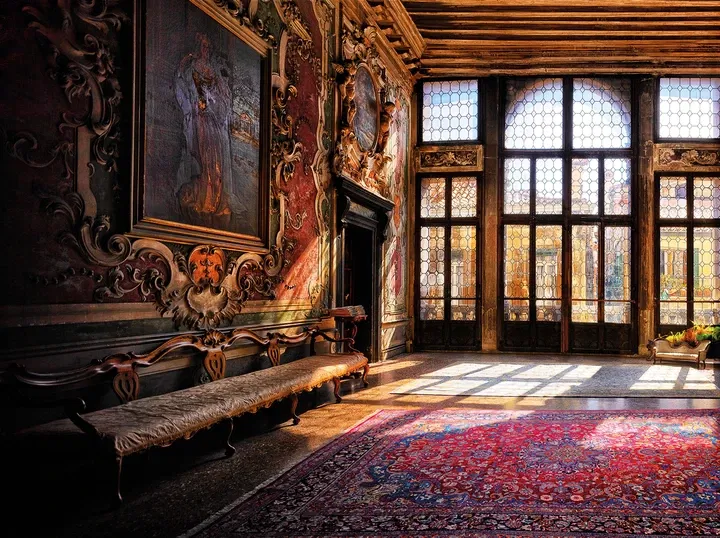
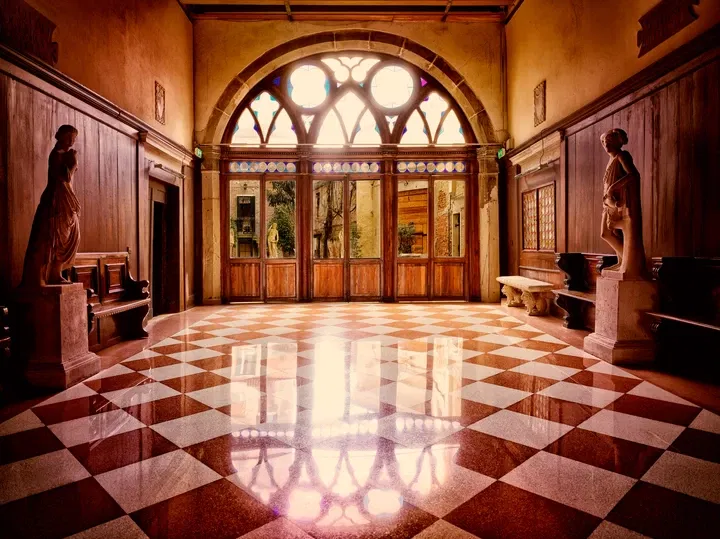
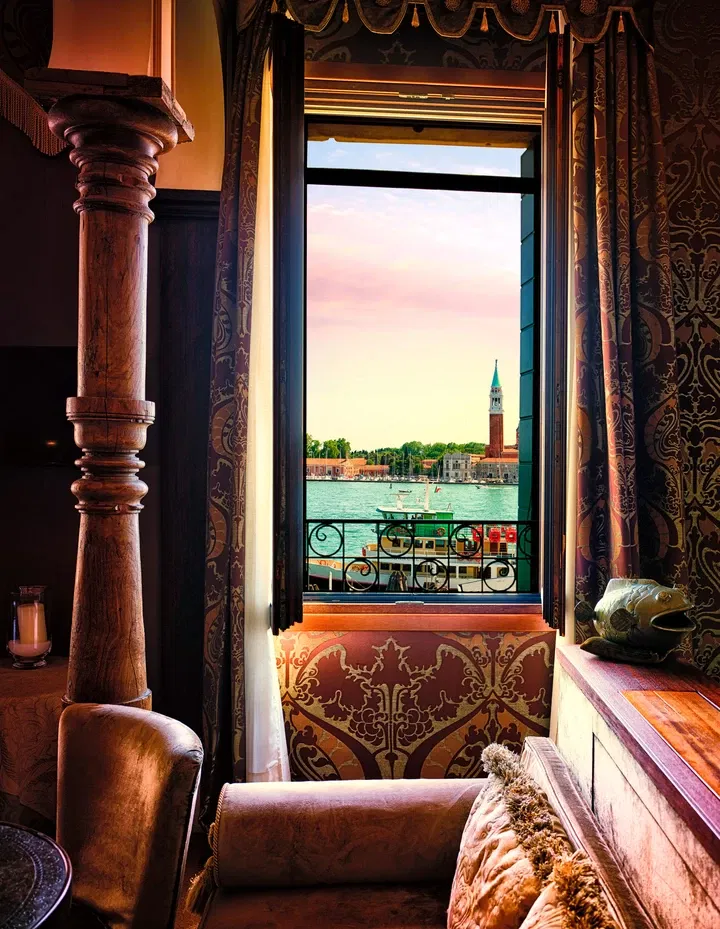
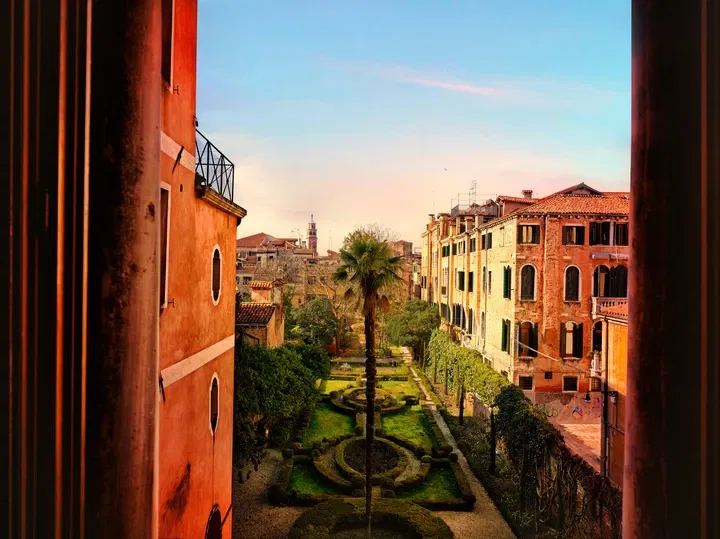
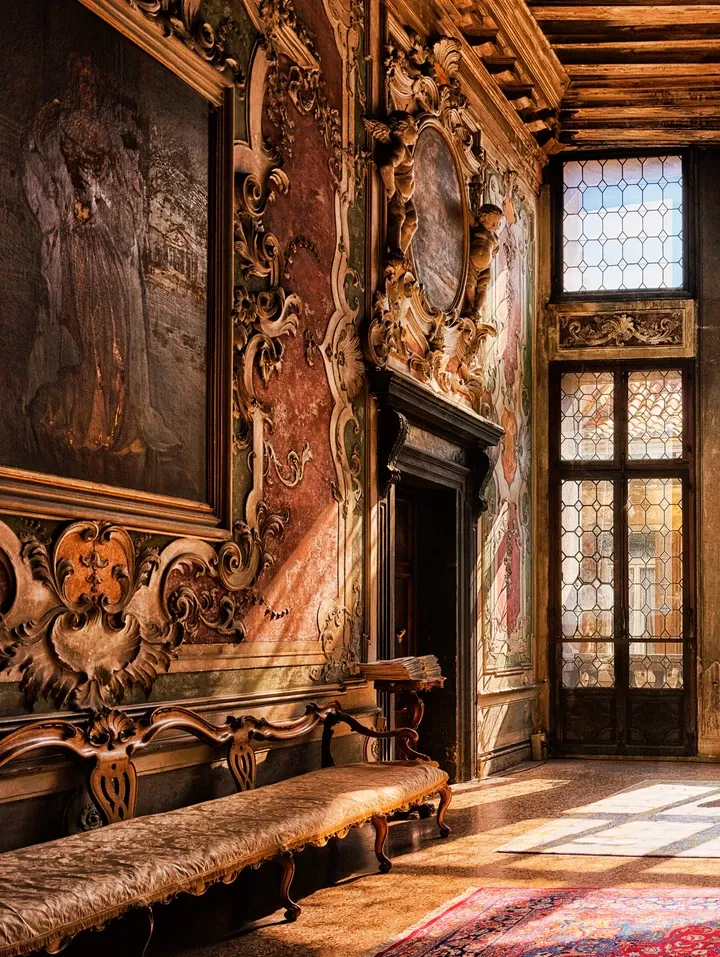
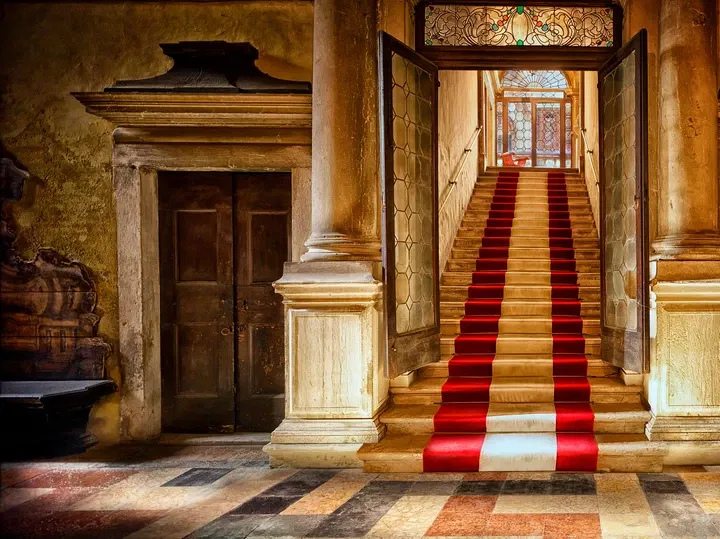
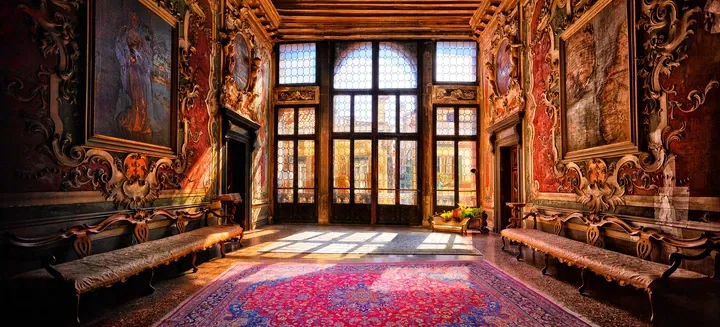
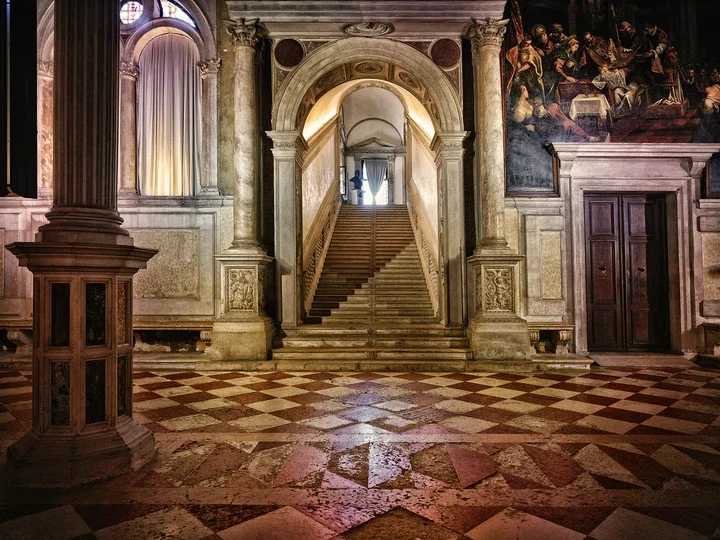
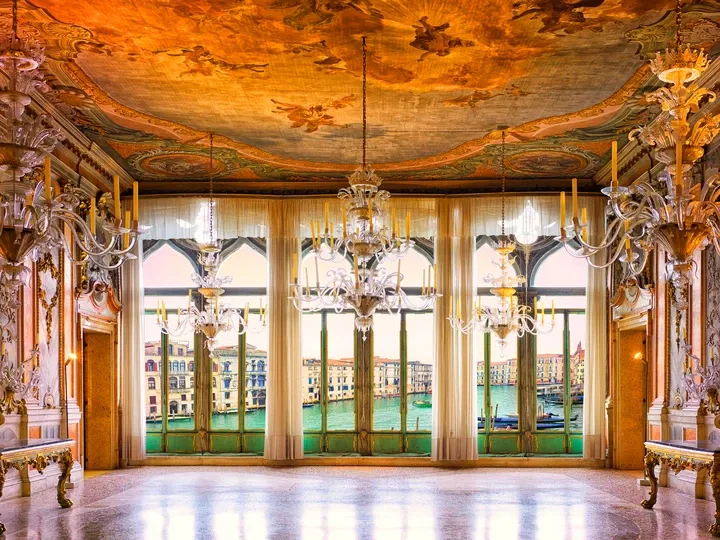
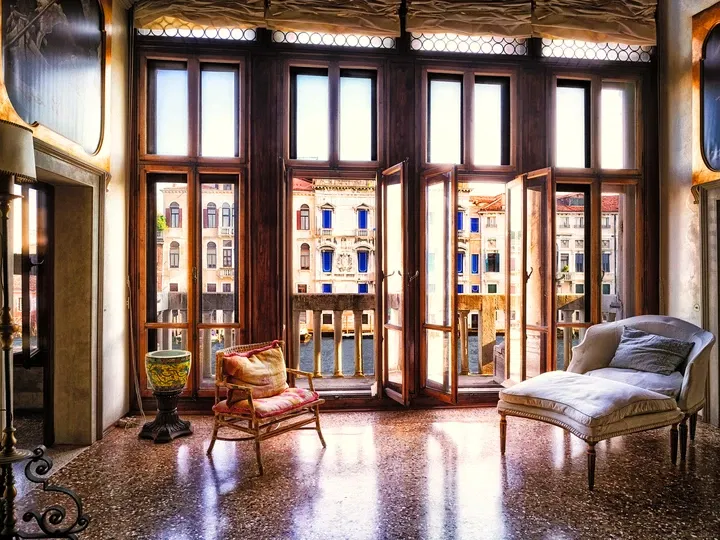
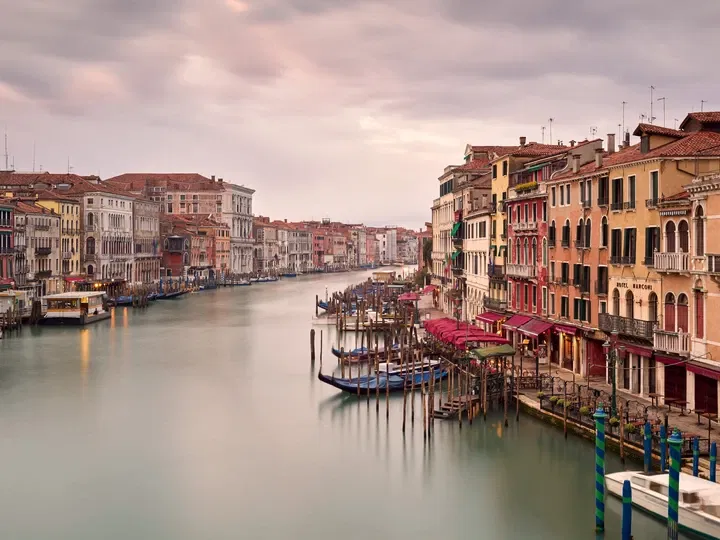
With “Dimore Veneziane”, this search for traces continues in Venice. Pawlok gains access to private palazzi, revealing a Venice beyond its familiar views. His photographs lead us behind closed doors, into rooms whose fabrics, ornaments and patina speak of centuries past. The intimate becomes historical, the historical intimate.
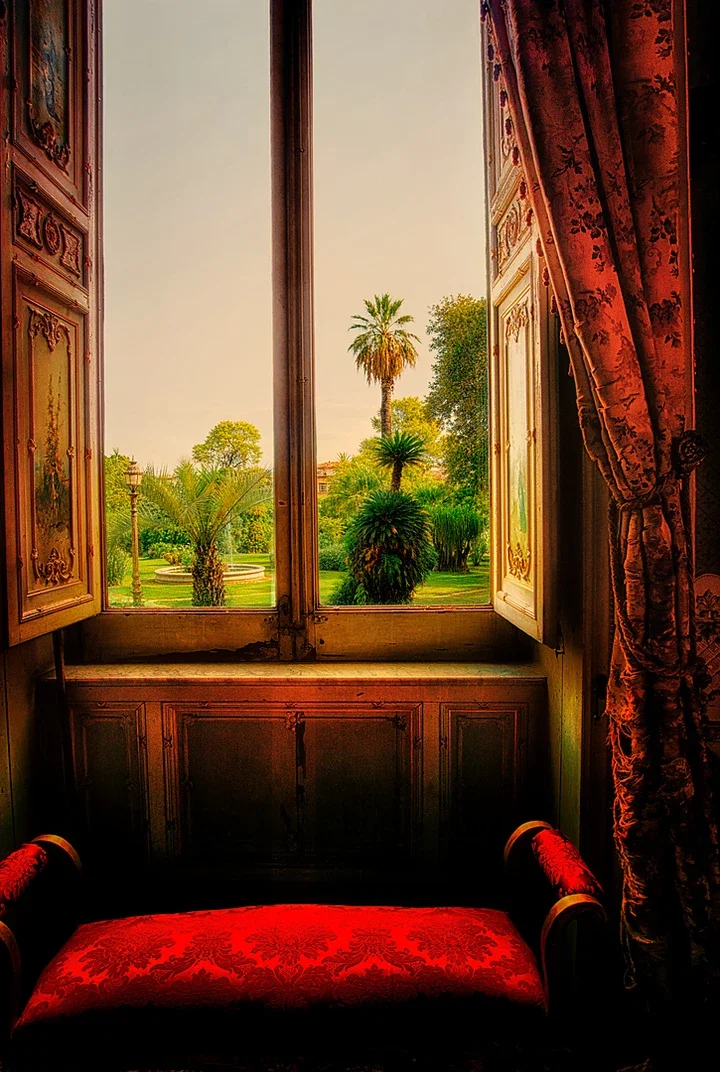
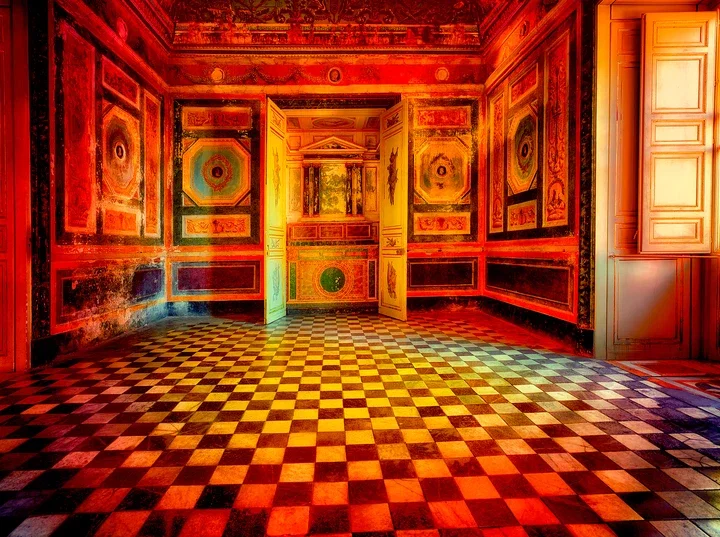
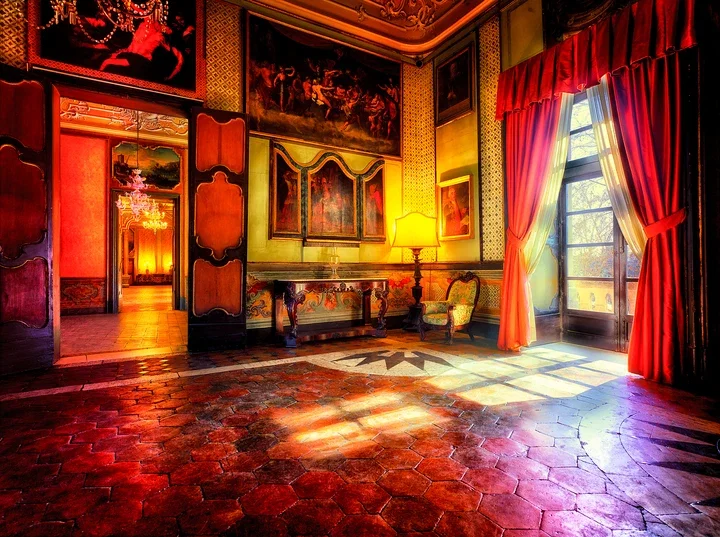
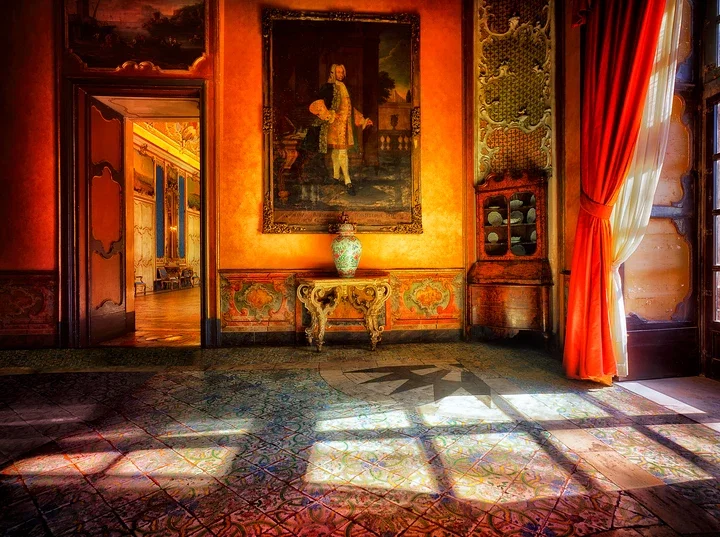
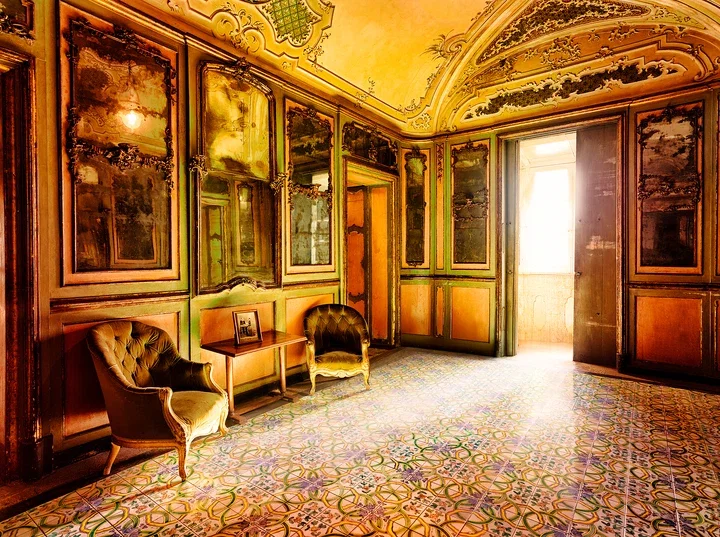
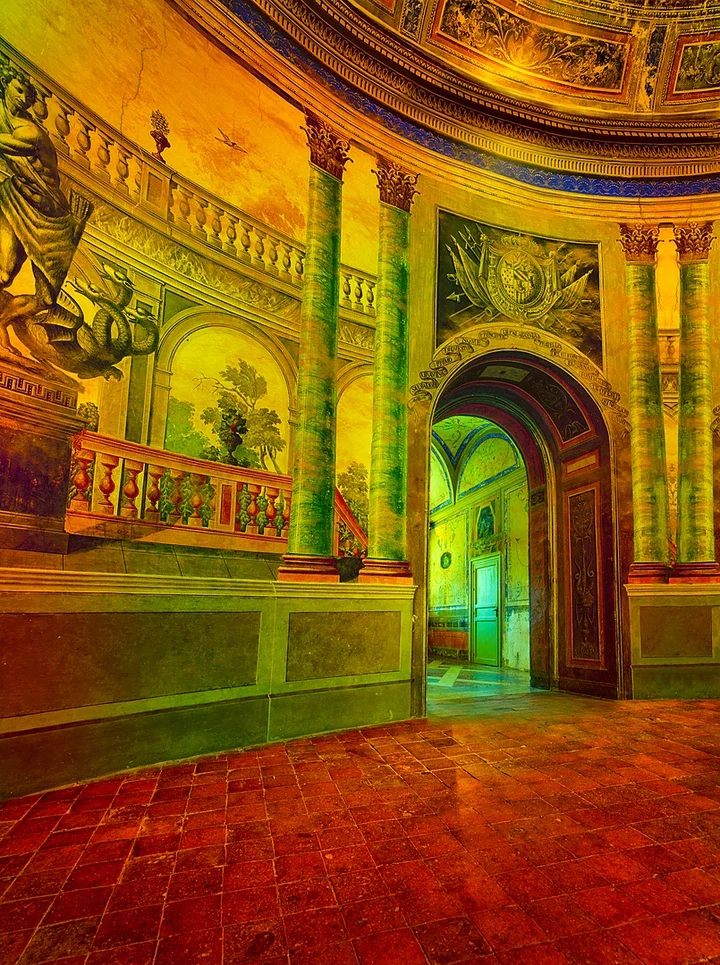
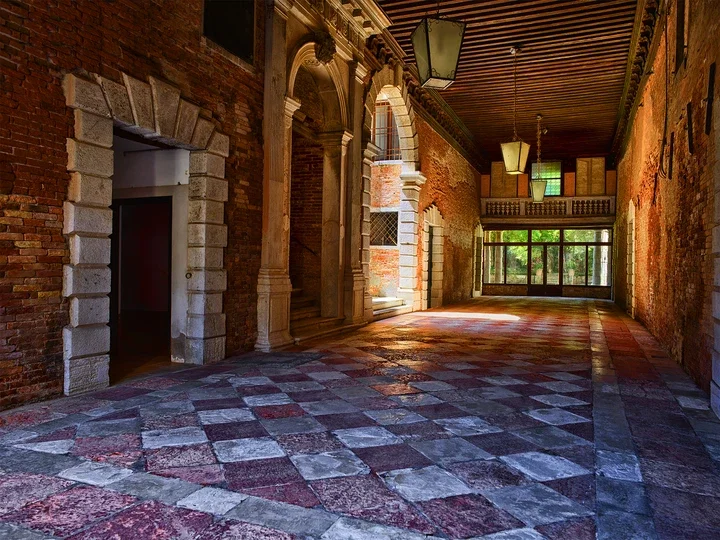
“Sicilia – Moments in Light” follows naturally from this body of work. Within his broader exploration of the island, the selection presented at LUMAS focuses on its historic palazzi. Once again, Pawlok encounters spaces that do not display history but carry it within them. Architecture, timeworn surfaces and ornamental details come together as silent witnesses to bygone eras.
Here, light becomes the mediator between past and present. Pawlok himself describes it as an element that shapes, exaggerates, brings things to the fore and allows them to disappear again. In the Sicilian palazzi, it falls across walls and furniture, traces the marks of time and draws details out of the half-light. Rather than becoming a historical showpiece, the space emerges as a living repository of memory.
It is precisely here that the connection to “Dimore Veneziane” and “Cuba – expired” becomes apparent. Pawlok is interested not merely in the grandeur of historic interiors, but in the relationship between beauty and transience, presence and absence. His spaces tell their stories not through staging, but through what remains. In light, colour and texture, time becomes visible.
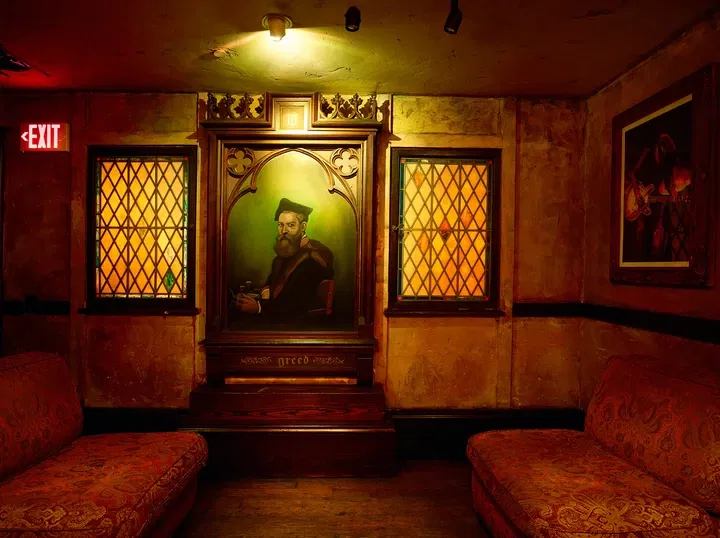
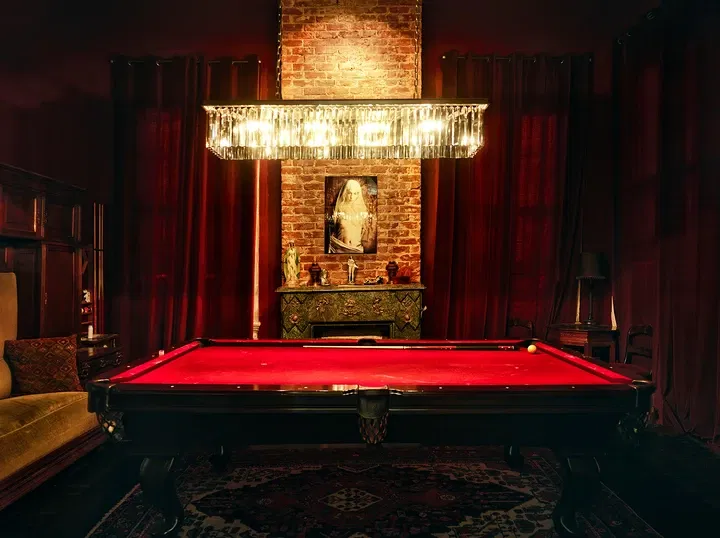
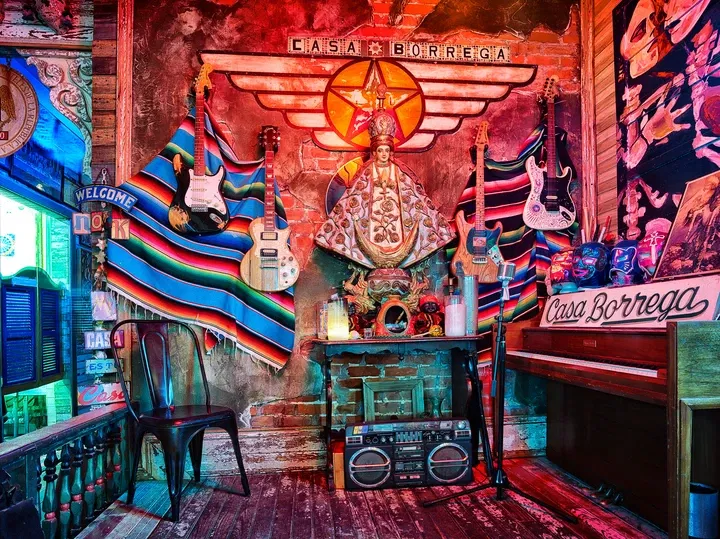
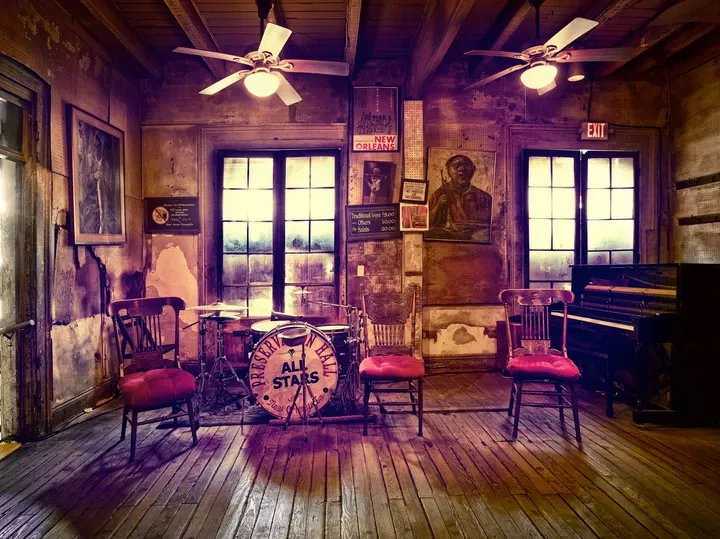
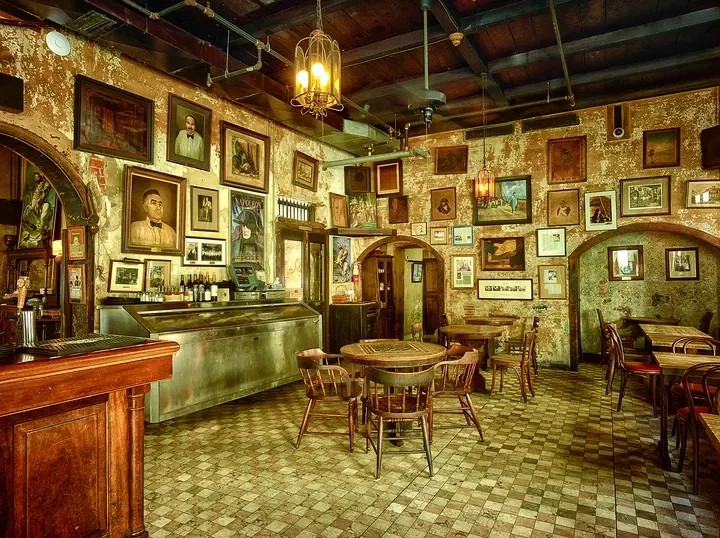
“New Orleans – undercurrent” continues this exploration in a city where the past is far from over. Historic interiors, bars and private spaces become resonant chambers for a richly layered culture. The title itself points to what interests him: the currents flowing beneath the visible surface. His images reveal not only what a place looks like, but what continues to resonate within it.
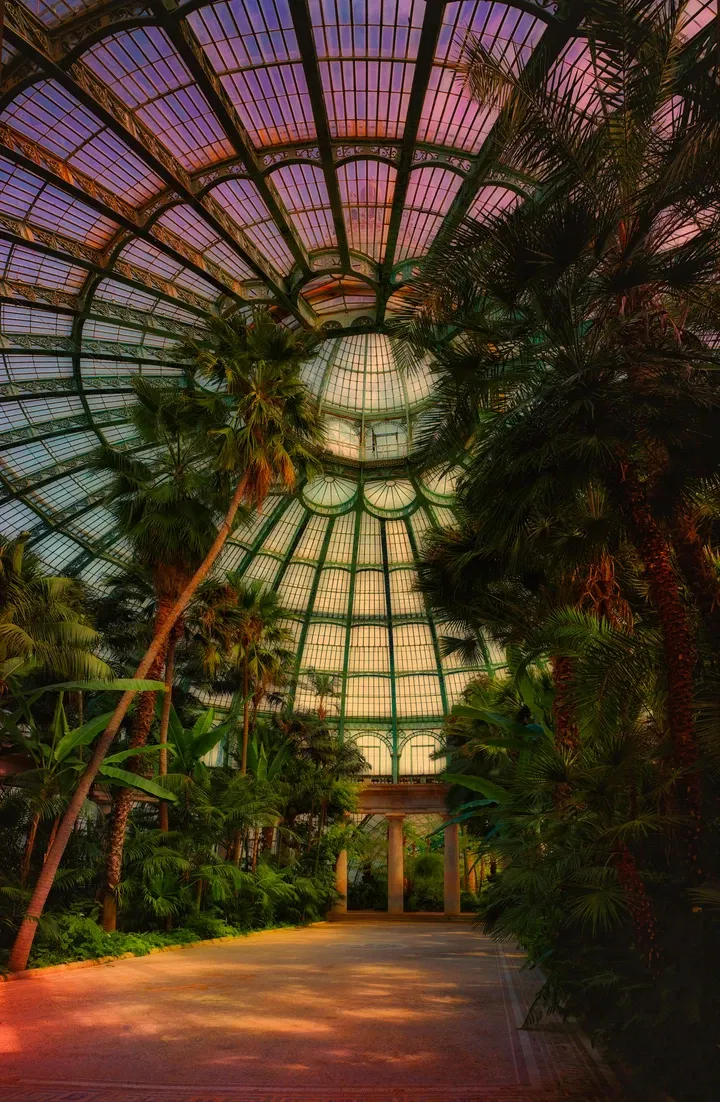
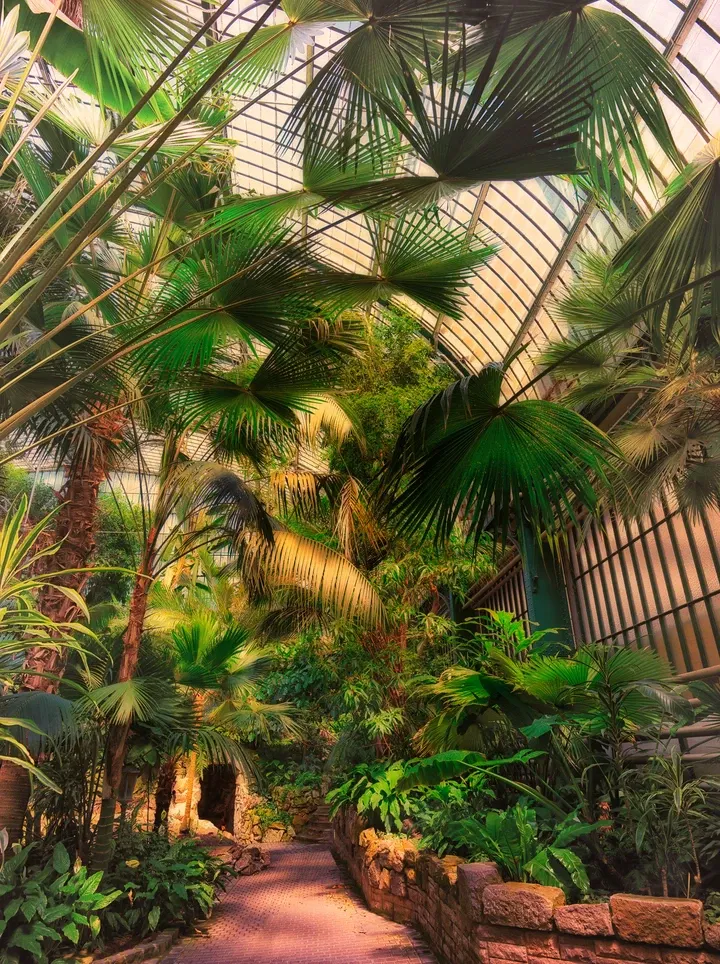
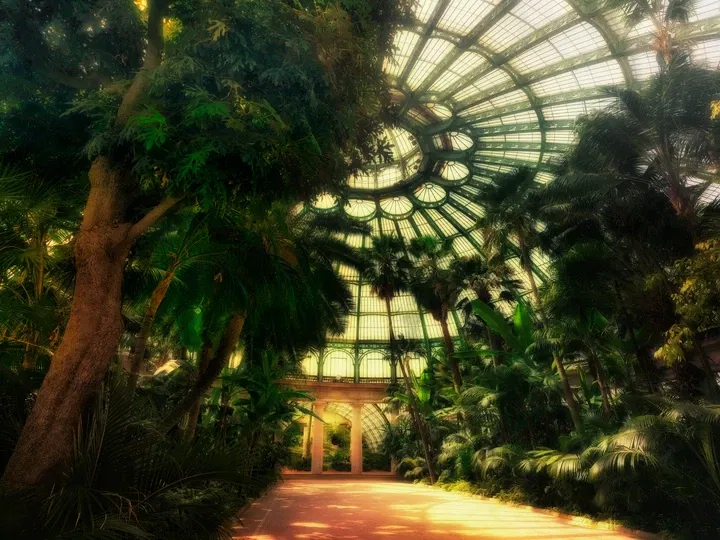
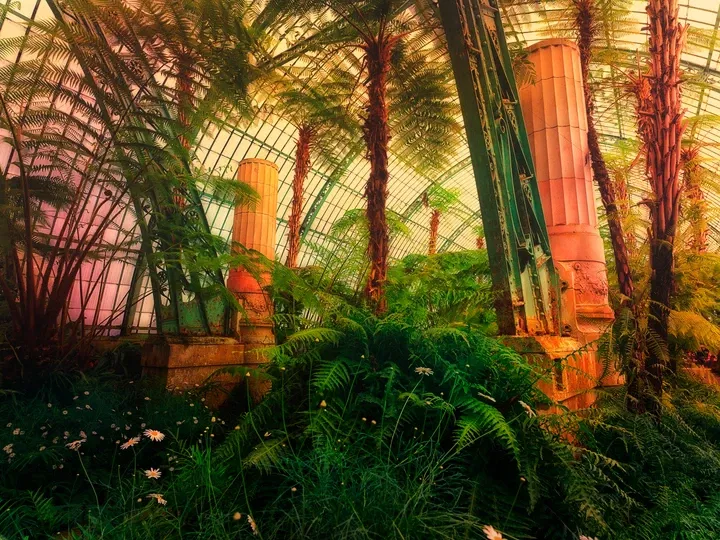
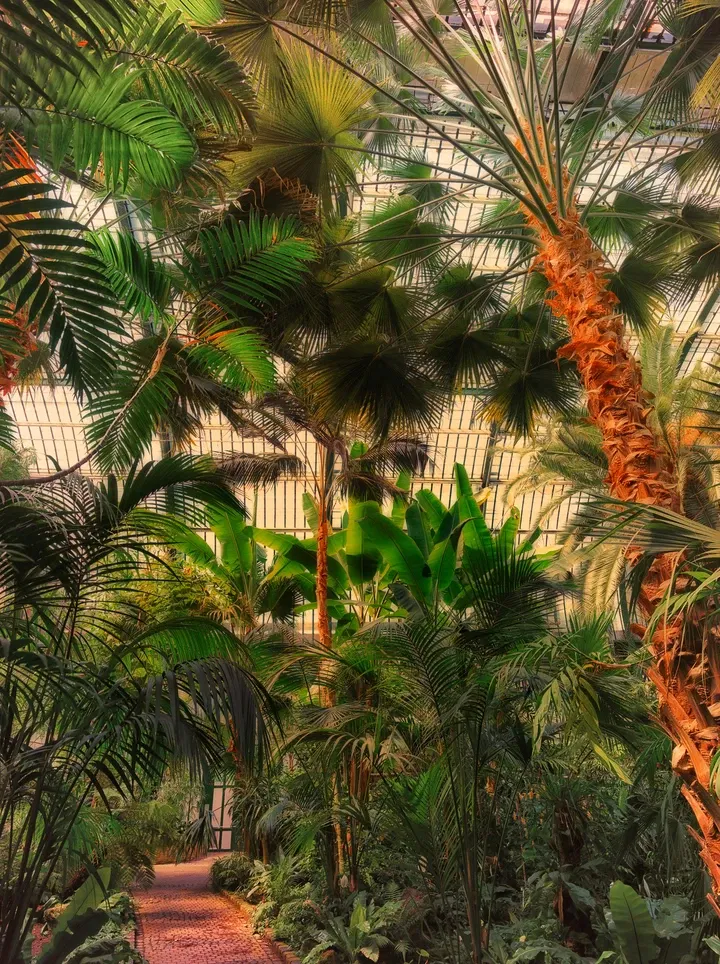
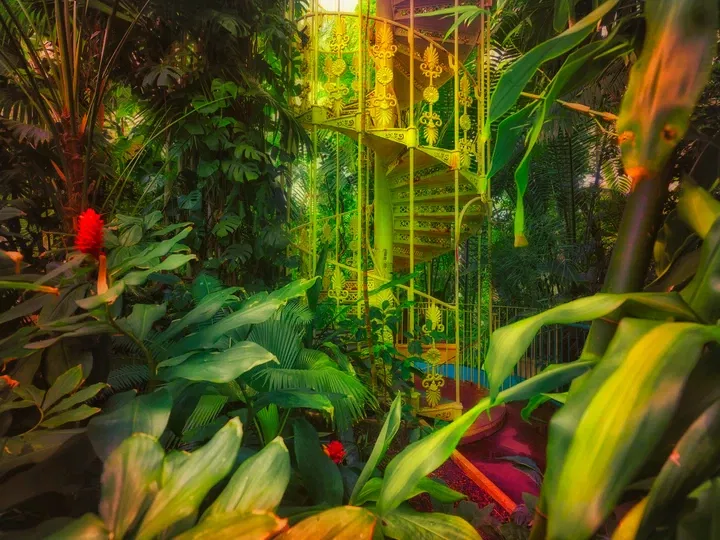
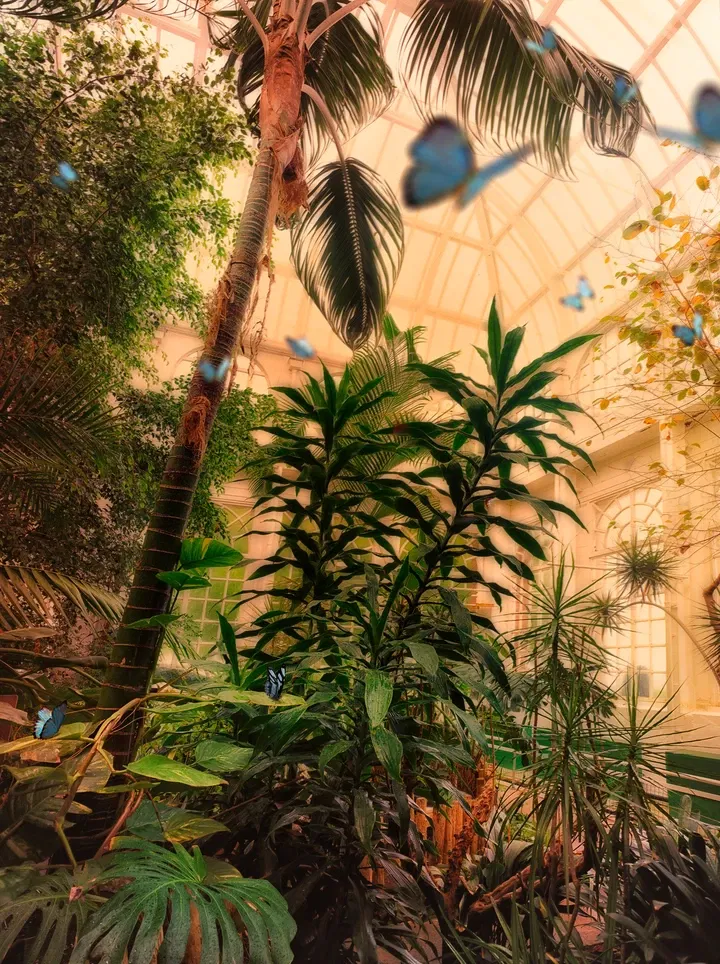
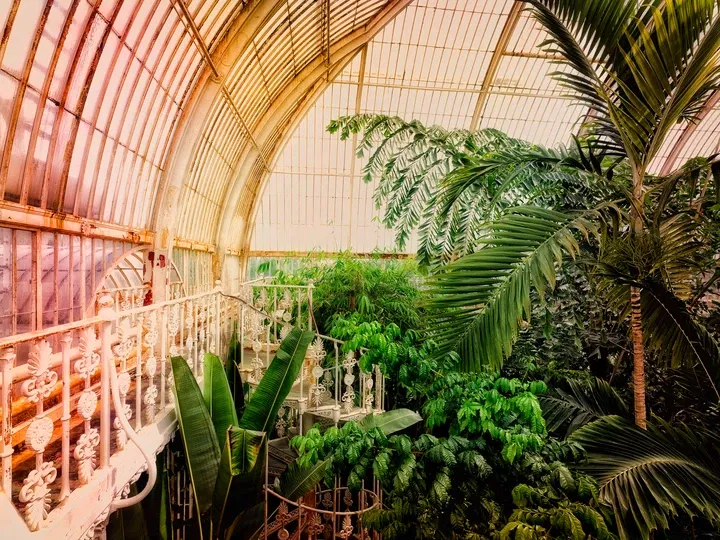
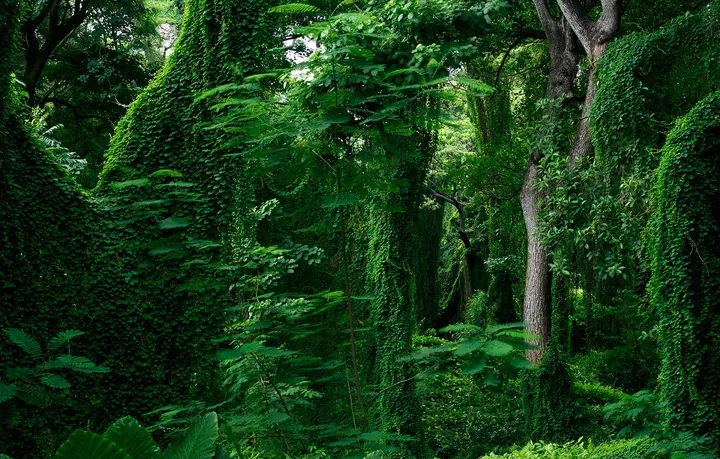
With “Greenhouses – Cathedrals for Plants”, Pawlok opens up a different yet related world. In historic greenhouses, nature meets architecture, organic growth encounters constructed order. Beneath glass, luminous worlds emerge in which exotic plants and delicate architectural structures intertwine. Even the high humidity that made photography difficult became part of the process: Pawlok responds to the conditions of a place rather than forcing them to conform to his image.
Pawlok’s oeuvre encompasses portraiture and landscape, architecture and vegetation, people and uninhabited spaces. What unites this diversity is not a single subject, but an artistic approach. He engages with the visible world to uncover what cannot readily be captured in an image: atmosphere, memory, the distinctive character of a place.
His photographs do not explain. They leave something that lingers.
Werner Pawlok does not simply capture what lies before his camera. He waits for the moment when something beyond the visible comes into view.
VITA
1953
Born in Stuttgart, Germany
1977-78
Lecturer at Academy of Arts, Stuttgart, Berlin
1980
Founder of the first gallery for photography in south Germany
1988-89
First Studio in New York, USA
Lives and works in Stuttgart, Germany
Exhibitions
Solo Exhibitions
2021
Master Pieces, MAC 2 Museum Art + Cars, Singen, Germany
2018
Master Pieces, Grand Basel, Basel, Switzerland
Cuba – expired, Lumas Gallery, Singapore; Melbourne, Australia
2016
Cuba – expired, Lumas Gallery, Singapore; Dubai, UAE, Berlin, Germany; Vienna, Austria
2015
Cuba – expired, Lumas Gallery, Moscow, Russia; Riga, Lettland; Mailand, Italy, Salzburg, Austria
2014
Cuba – expired, Lumas Gallery, Amsterdam, Netherlands; Paris, France, Dusseldorf, Germany
2013
Cuba – expired, Lumas Gallery, London, UK Five Days Paris, Rolls Royce London, London, UK views – faces of literature, Art Week Hamburg Brahms Kontor, Hamburg, Germany
2012
Werner Pawlok Fotografien, Kunsthalle Messmer, Riegel, Germany views – faces of literature, Literaturhaus Stuttgart, Stuttgart, Germany
2010
moving cities, G3 Gallery, Hamburg, Germany
2009
Werkschau / Retrospektive, Galerie Andreas Baumgartl, Munich, Germany
2007
Views - faces of literature, Porsche, Stuttgart, Germany
Warum denn in die Ferne... oder In 18 Büchern..., Kunstverein Esslingen, Esslingen, Germany LOOK!, Museum Marta Herford, Herford, Germany
2019
Daguerreotypie, Autochrom, Polaroid.1/1“ , Pushkin Museum of Fine Arts, Moscow, Russia Persona, Estudio Pablo de Lillo, Oviedo, Spain Gunter Sachs Kamerakunst, Kunsthalle, Schweinfurt, Germany
2015
Le Bord de Mondes, Palais de Tokyo, Paris, France
2014
Blütezeit, Kunstsammlung DZ Bank, Frankfurt, Germany
2013
Sammlung Gunter Sachs, Kunsthalle Schweinfurt, Schweinfurt, Germany Leigh Bowery, Otherness, Espace Culturel Louis Vuitton, Paris, France
2012
XTRAVAGANZA, Staging Leigh Bowery, Kunsthalle Vienna, Vienna, Austria Polaroid, The Finnish Museum for Photography, Helsinki, Finnland
2011
Photography in the fast lane, Galerie der Stadt Sindelfingen, Sindelfingen, Germany Light my fire, Nimbus Group Mock-up, Stuttgart, Germany Psychadelic Record Sleeves, Duncan Smith Gallery, Stuttgart, Germany
2009
Australia‘s Bushfire Exhibition, McCulloch Gallery, Melbourne, Australia 25 Jahre Fotoforum Frankfurt, Fotoforum Frankfurt, Frankfurt Germany
2008
The big picture I + II, Oliver Gordon Gallery, Toronto, Kanada
2006
Accrochage, Gallery Andreas Baumgartl, Munich, Germany
2003
Photography in Advertising, Design Center, Malmö, Schweden
2000
Images Beyond the naked eye, Museo, Den Haag, Niederlande
1998
Augenlust, Kunsthaus, Hanover, Germany
1996
Rosen, Tulpen, Nelken, Gallery Tobias Hirschmann, Frankfurt, Germany; Contemporary Art Gallery, Zurich, Switzerland natur¿, Kunst- und Ausstellungshalle der Bundesrepublik Deutschland, Bonn, Germany Liebe und Poesie, Gallery Tobias Hirschmann, Frankfurt, Germany
1993
Milk Glas, Chicago Athenaeum Museum of Design, Chicago, USA Columbus / Artists United for Nature, Sony Headquater, Tokyo, Japan
1991
Coulour, Hamilton ́s Gallery, London, UK Das Goldene Zeitalter, Württembergischer Kunstverein, Stuttgart, Germany
INTERVIEW
When did you become interested in art? How did it all begin?
For me, art is first and foremost a feeling. I see art as life, not as galleries, collectors, money, etc. Every day brings new experiences which resonate with me and eventually transform into energy, which I use to create images. I’ve experienced this feeling since youth and not much has changed since. It all began with a camera that my parents gave me as a birthday present when I was little. For me this was a direct way to transform observations into pictures.
How would you describe your work process?
Generally, my work process is always different. It depends on the specific project I’ve chosen. Before I start a series, I decide which technical equipment I'm going to use – and, at this stage, I question whether any new technology is available that I’d like to incorporate into my process. I love the risk involved and how it keeps things new and interesting. It’s important for me to fully understand the work process so that I can implement it properly an achieve my vision.
Who inspires you?
During a recent trip to Venice, I had the opportunity to see the Uncertainties Installation in the Spanish Pavilion at the Architecture Biennale, and I was quite impressed. The floor-to-ceiling exhibition, created using thousands of pieces of paper related to the pandemic and the Spanish real estate bubble, maintains a sense of lightness despite its density. It was created by Itzar Okariz and Sergio Prego.
Which artists/works of art are you particularly impressed with at the moment?
Classic photographers never fail to impress me. Man Ray, Erwin Blumenfeld and Irvin Penn, to name a few.
What distinguishes a good work of art?
If I am satisfied with the result of my creative process and of course, if it is appreciated by exhibition visitors. When I actually see my pictures hanging in museums such as the Palais de Tokyo, the Espace culturel of Louis Vuitton, the Musée de l'Elysée in Lausanne, or the Kunsthalle in Vienna, it is a nice confirmation of my work.
What project are you working on at the moment?
I am currently working on my new book New Orleans UNDERCURRENT. Now that my last two books have been completed – Dimore Veneziane, my photographic love letter to Venice, and the book Greenhouses CATHEDRALS FOR PLANTS, a journey through Europe to the most beautiful glasshouses – New Orleans is completely mesmerizing me. It is undoubtedly one of the most fascinating cities in the United States. The vibrant metropolis of the South is rich in history, culture and culinary delights. Experiencing its unique atmosphere is an adventure for all the senses. It gives me great pleasure to write a book about it.
What is the purpose of art?
Above all, to inspire!
Does art bring about happiness?
It is not art, but life that should make one happy, and art is an essential part of life!
LUMAS ART NEWS
Exclusive offers
Inspiring new releases
Personal invitations to Art Events
LUMAS protects your data. See our Privacy Policy for details.
ALMOST DONE ...
1. Open the confirmation mail.
2. Click on the confirmation link.
3. Your wishlist registration was successful!
4. Your wishlist has been saved!
We look forward to welcoming you soon to the world of LUMAS.
DIGITAL PREVIEW
SCAN THE QR CODE! (Safari IPHONE ONLY)
PREVIEW ON YOUR WALL
SCAN THE QR CODE! (Safari IPHONE ONLY)
90% of our customers order mounting or framing for a perfect gallery look.
Fully protected by our 30 day return policy.
Ready to Hang.
Elevates the artwork to true gallery quality.
Continue without mounting or framing?
* Rolled prints are final sale and cannot be returned or retrofitted with our frames






 About Werner Pawlok
