Price Will Increase Soon
Unfortunately, this artwork cannot be added to the room view.


Origin and characteristics of impressionism
Famous impressionist artists
LUMAS impressionist art
Timeline of impressionism
The term impressionism is derived from the Latin impressio. The "impression" that the Impressionists reproduce is that of a sunny landscape, a city scene, or colorful portraits which often show people in casual, natural postures. The painting Impression - soleil levant(1872) by French artist Claude Monet was eponymous for this art movement in the second half of the 19th century. In other words, it imparted the name "impressionism" to a diverse movement, and unified it under its banner.
The play with light and color and the dissolution of strong contours is representative of impressionist painting's modernist elements. For it is not the exact lifelike reproduction that is decisive for the impressionist style, but the impression of a landscape or an object that is evoked. In impressonist art, the viewer's interpretation of the art comes more to the fore.
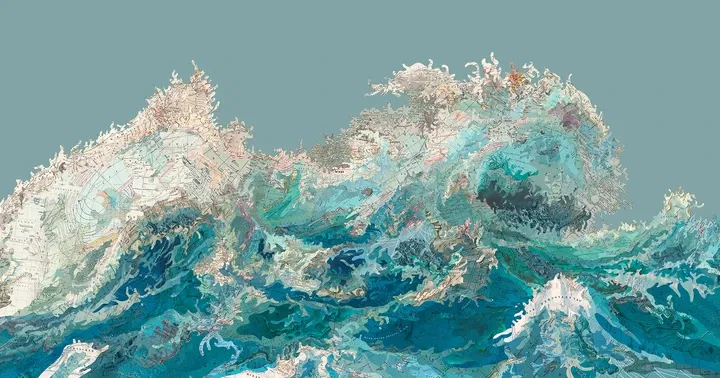
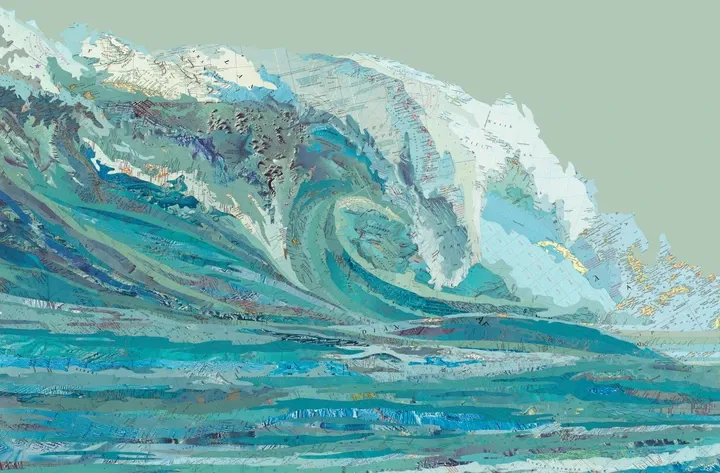
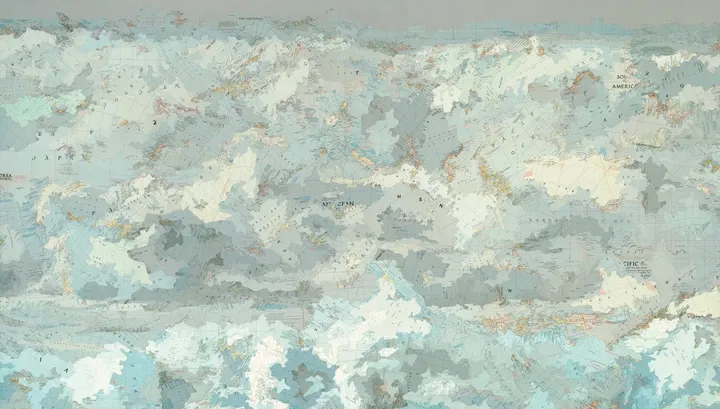
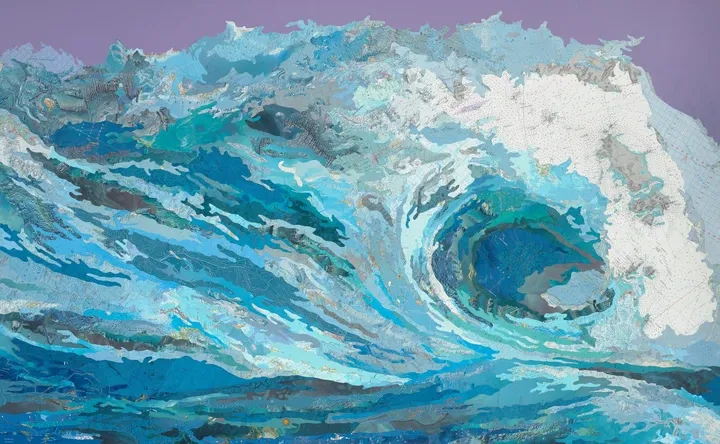
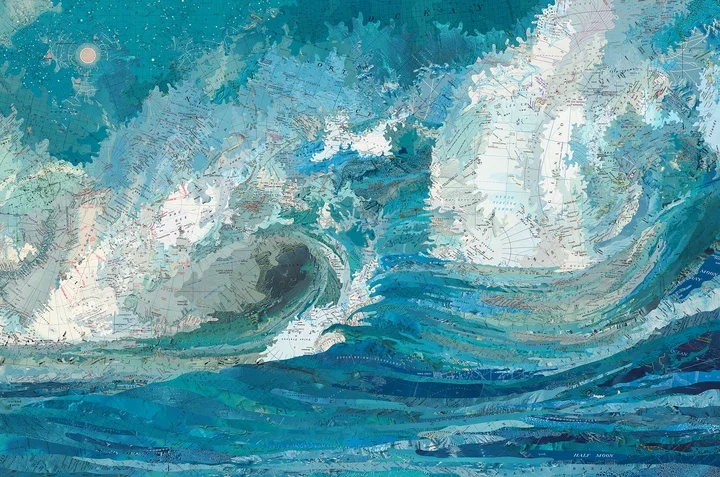
The sea and the waves have always been a popular motif. Matthew Cusick knows how to reinterpret them completely new without forgetting their art-historical roots. The influence of Japonisme, which can be seen in Impressionist paintings, can also be felt with Matthew Cusick.
The most famous representatives of Impressionism are among the most highly valued on the art market today. Works by impressionist painters like Claude Monet, Pierre-Auguste Renoir, Edouard Manet, Edgar Degas, as well as Camille Pissaro, Auguste Rodin, Frederic Bazille, Berthe Morisot, Max Liebermann, Alfred Sisley, and the American artist Mary Cassat regularly fetch millions at auction.
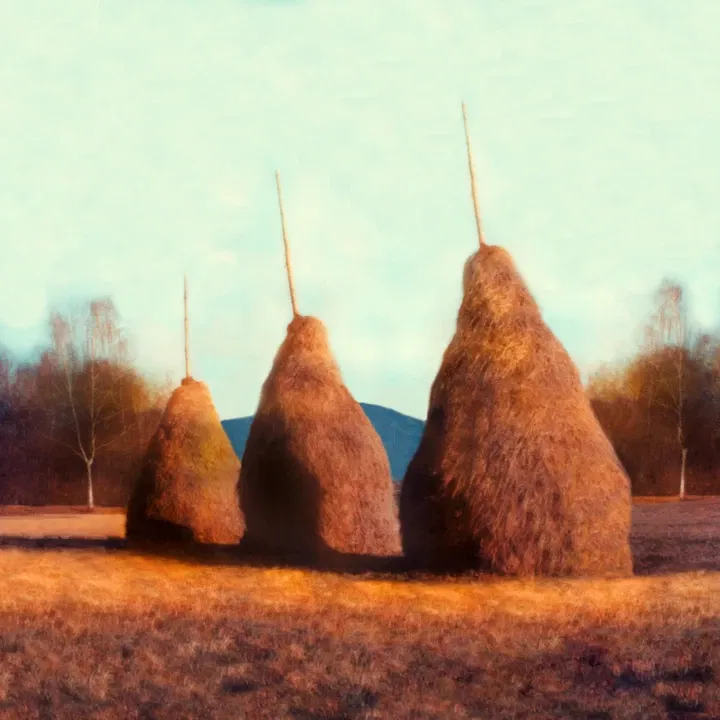
This popularity can be explained by the choice of motif and the effects created by impressionist techniques. The Radical Flatness in the rendering of an impressionist landscape appears fragmentary, fleeting and in motion. Impressionist artists achieve this spontaneity through painting outdoors, or in "open air" - en plein air. Impressionists painted in rain and shine. This is how whole series like Claude Monet's famous haystacks were created.
What else have modern photo artists got to do with the impressionists of the Fin de Siècle in Paris? Quite a lot! Through the choice of subject matter, long-distance effect, cropping - and the precise observation of light and color as the most important tool - Impressionist painting had a major influence on the development of photographic technique and theory. Not only modern art history in general, but photographic history in particular is in many ways a footnote to Impressionism and Post Impressionism.
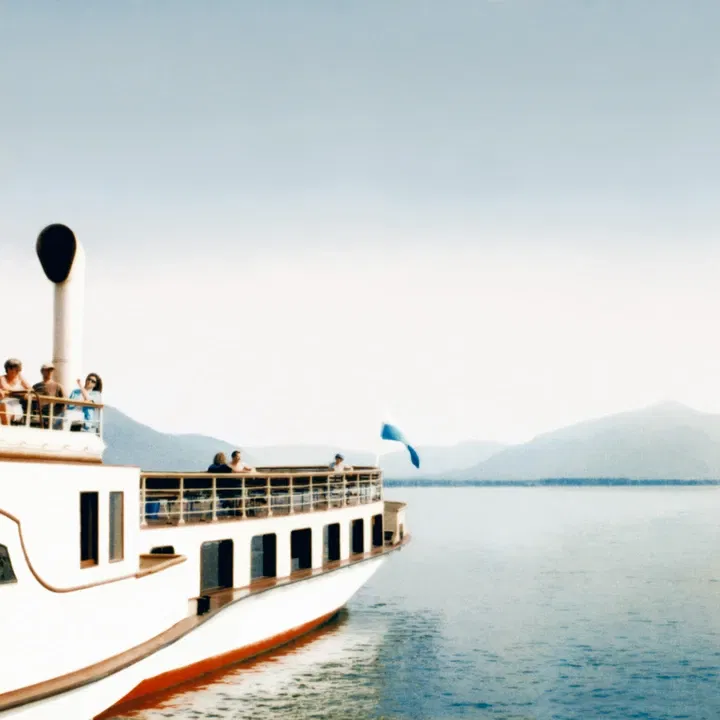
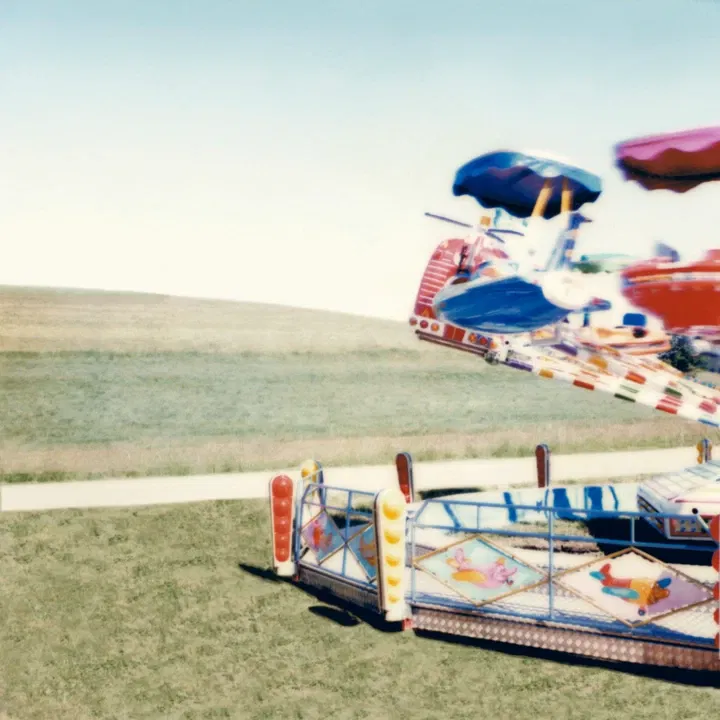
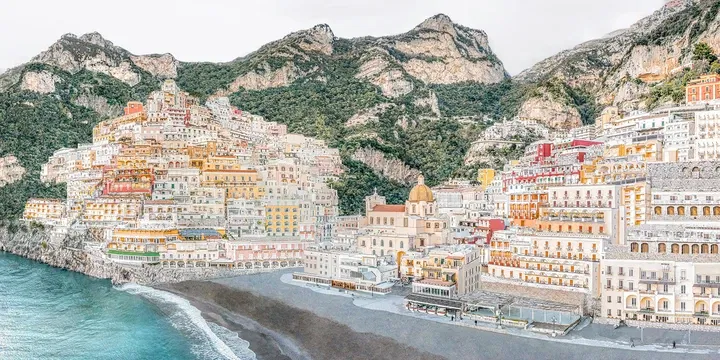
The shimmering photographs of Harald Klemm remind us of a day in Monet's garden, or of the Pointillist landscapes by artist Georges Seurat. The play of color and light creates a mood that draws us directly into the action!
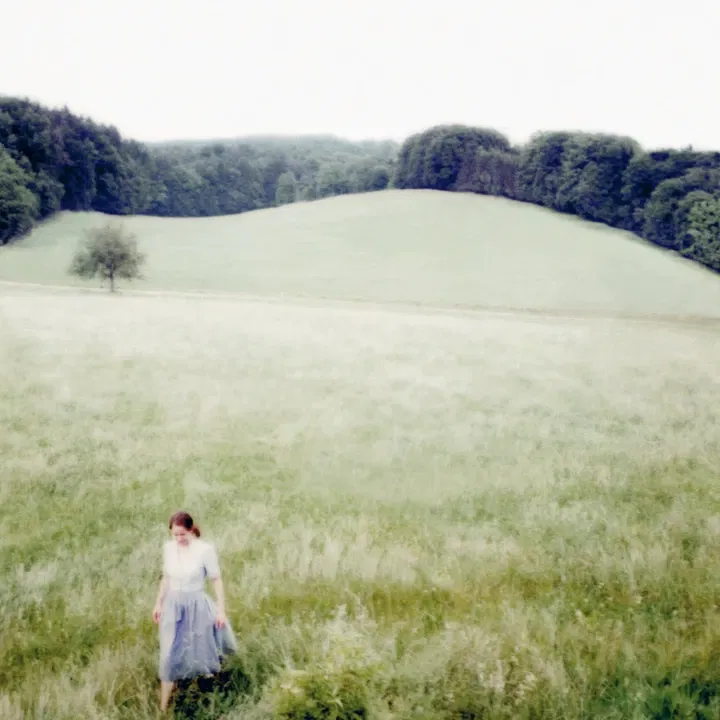
The influence of artist Claude Monet on Peter von Felberts are immediately evident. Where photography liberated art from the task of having to depict reality, and gave new impulses for picture details and works in series, Felbert makes them his own again. Take a close look: von Felbert's works are not paintings at all, they are photographs!
The painter Xiau-Fong Wee is clearly a modern impressionist. Instead of the daylight, pastel palette of the Impressionists, however, she uses dark tones and highlights, similar to Lesser Ury. Her paintings of San Francisco are a balance between the color palette and method of abstract impressionism, which is non-representational, and traditional impressionism, which is representational. In her choice of motifs, she is true to the Impressionists: the city and the hectic life in the metropolis are central. The work only develops its effect from a distance, as people blur to dots and strokes in an abstract method. The impression of the city and the landscape by day becomes a remotely captured painting of the big city at night.
| 1872 | Claude Monet's l'impression- solei levant is the name of the art movement. |
| 15.04.1874 | First group exhibition of the Impressionists at the Atelier Nadar in Paris. Participants included Paul Cézanne, Edgar Degas, Claude Monet, Berthe Morisot, Camille Pissarro, Pierre-Auguste Renoir, and Alfred Sisley. Critics at the time were extremely critical of these early impressionist efforts. |
| 30.03.1876 | Second exhibition of the Impressionists at the gallery of Paul Durand-Ruel in Paris. The criticism was more generous than at the first exhibition. |
| 1880 | Auguste Renoir's famous Luncheon of the Boating Party is created. Other important works from this period: the sculpture by Auguste Rodin The Kiss (also from 1880), the sculpture by Edgar Degas Little fourteen-year-old dancer (1879-81), and À la campagne (Après le déjeuner) (1881) by Berthe Morisot |
| 05.12.1926 | Death of Claude Monet. In the late years of the blind artist, he created works that could almost be called abstract. The famous water-lily ponds dissolve into wildly colorful compositions without a recognizable horizon. Only expressionist art, and especially the neo-expressionist current around 1950, again takes up this degree of abstraction. |
| 1928 | Maurice Ravel's orchestral piece Boléro is created. There was also an impressionistic current in music, featuring the composer Claude Debussy. |
| 23.01.2017 | The Barberini Museum in Potsdam opens. The main focus is the collection of Impressionist paintings by the patron Hasso Plattner. |