


New
Unfortunately, this artwork cannot be added to the room view.


Origins and Precursors of Expressionism
Characteristics of Expressionism between 1905 and 1914
The End of Expressionism, Abstract Expressionism and Neo-Expressionism
Expressionist Art at LUMAS
Timeline and Key Works of Expressionism
Vincent van Gogh, Paul Gauguin, Edvard Munch and Henri Toulouse-Lautrec are considered precursors of Expressionism. The Scream (1893) by Edvard Munch is regarded as the first painting of this new style. The Fauvists around Henri Matisse in France are likewise seen as forerunners of Expressionism.
Dissatisfaction with bourgeois Naturalism and the perceived superficiality of Impressionism, the major art movements of the late 19th century, gave rise to new forms of expression. Inner emotional states were meant to be made visible through wild colors and archaic forms. Influences ranged from African masks to the art of Oceania. The growing urbanization and technologization of working and everyday life likewise contributed a wealth of impulses.
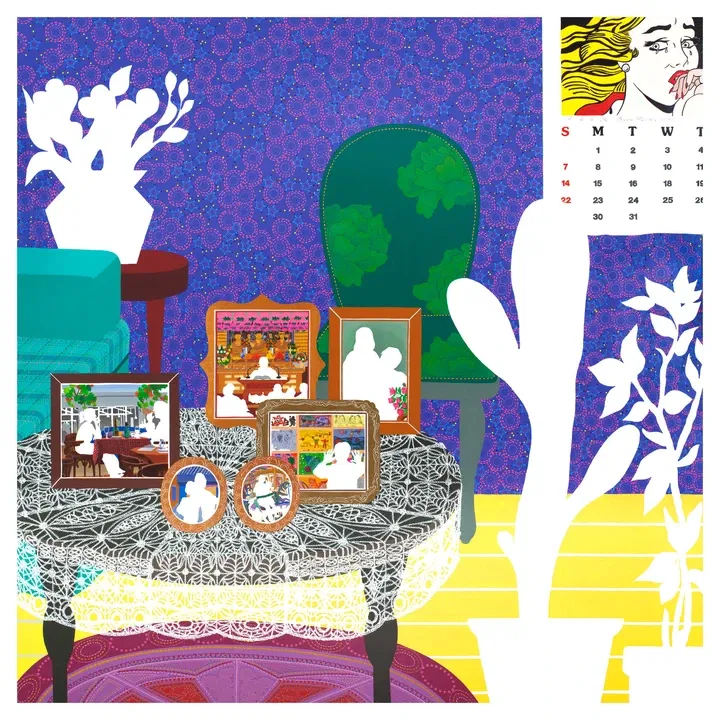
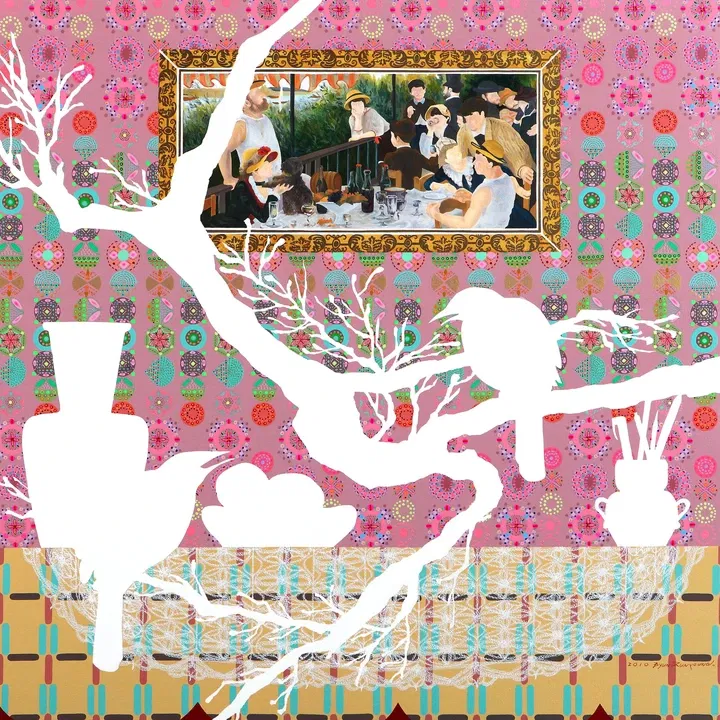
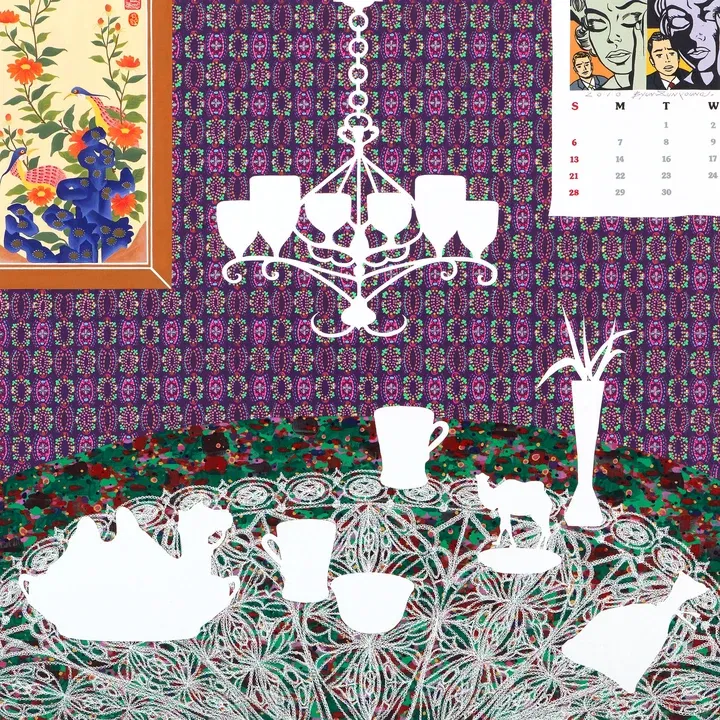
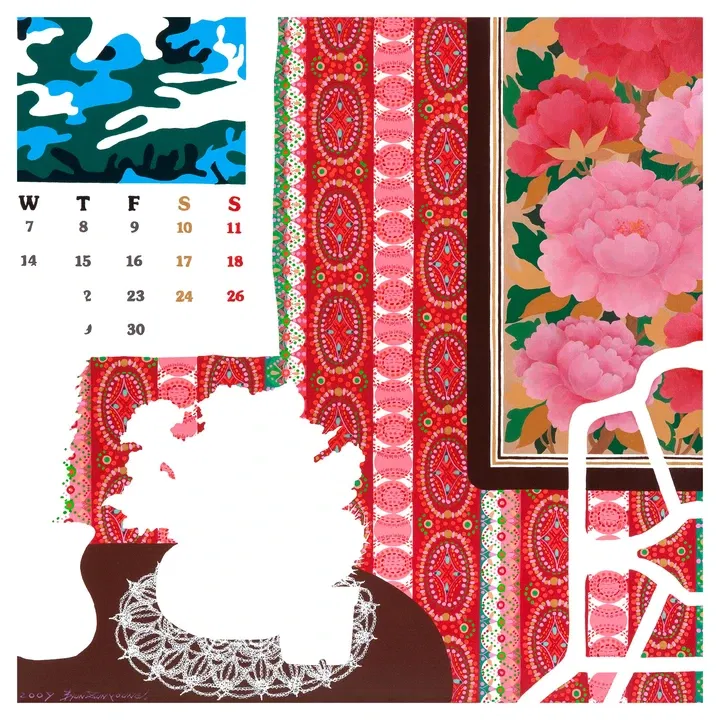
Expressionism literally means expression. Artists sought to find new forms of expression that went beyond a purely aesthetic approach, such as that of Art Nouveau, or the lightness of Impressionism. The aim was to provoke a reaction in viewers and to break away from realistic representation. In Germany, the artists' association Die Brücke was a driving force behind Expressionism. Its best-known members were Ernst Ludwig Kirchner, Erich Heckel, Karl Schmidt-Rottluff, Otto Mueller and Max Pechstein. The exhibition group Der Blaue Reiter, centered around Franz Marc, Wassily Kandinsky and Gabriele Münter, further spread these new ideas about art. Franz Marc's works featuring blue horses or yellow dogs remain world-famous to this day. August Macke and Marianne von Werefkin are also famous artists of German Expressionism associated with Der Blaue Reiter.
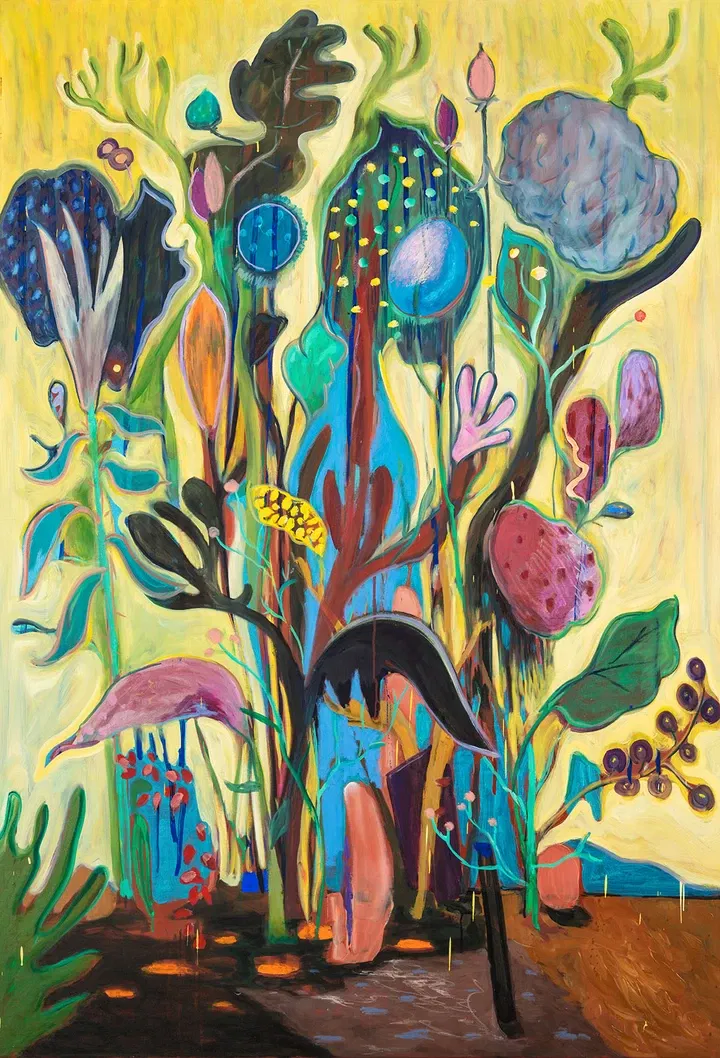
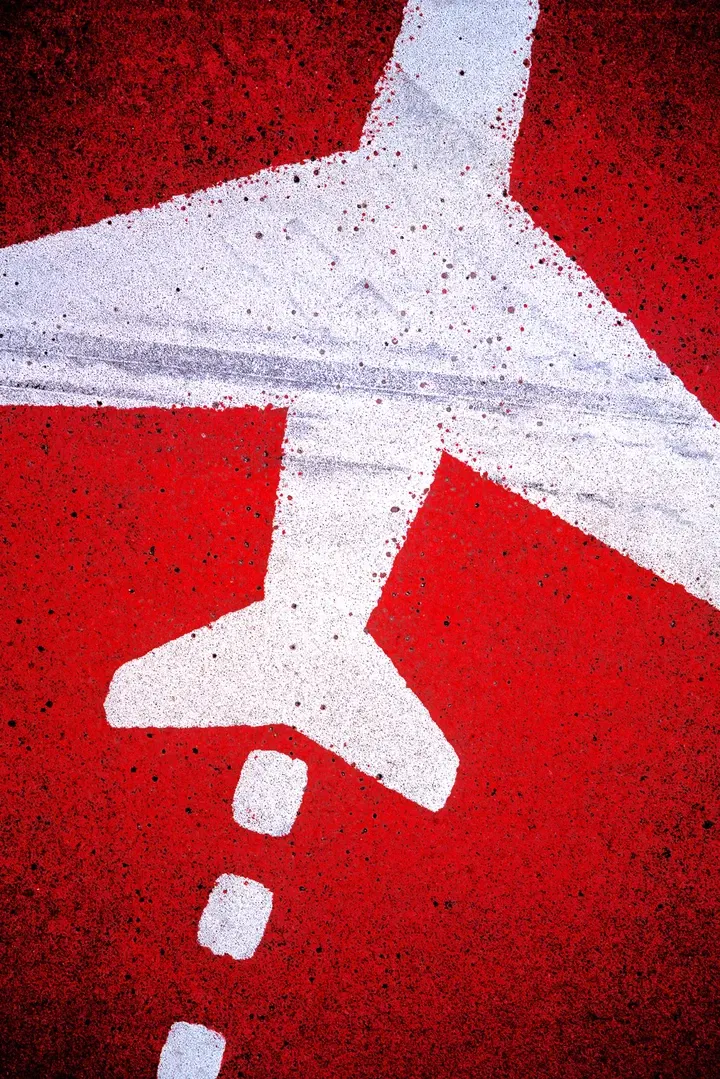
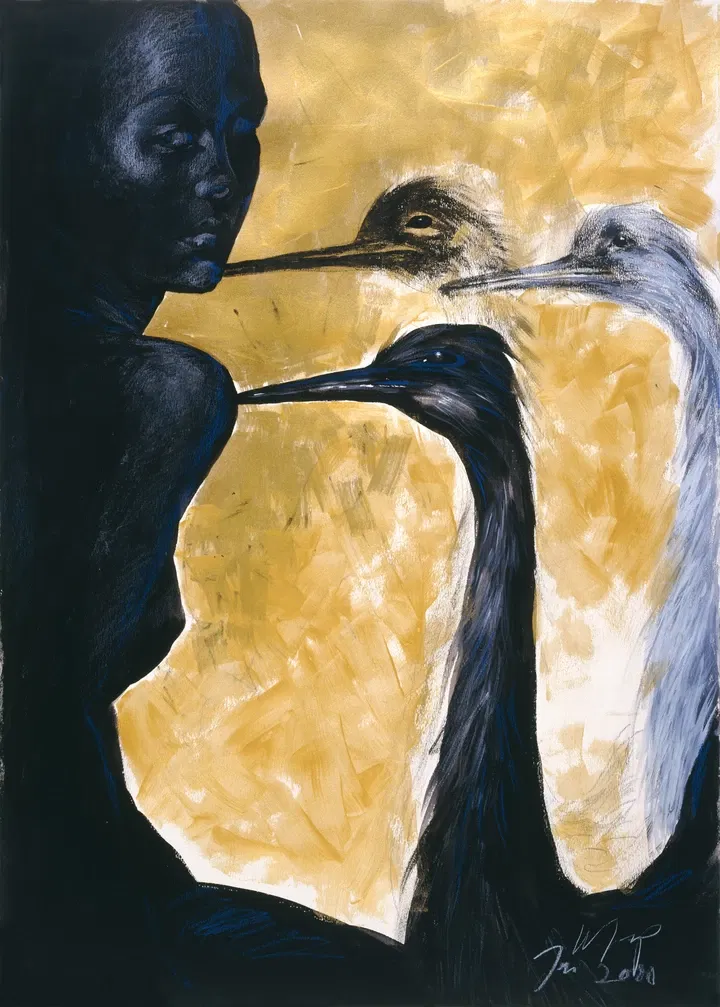
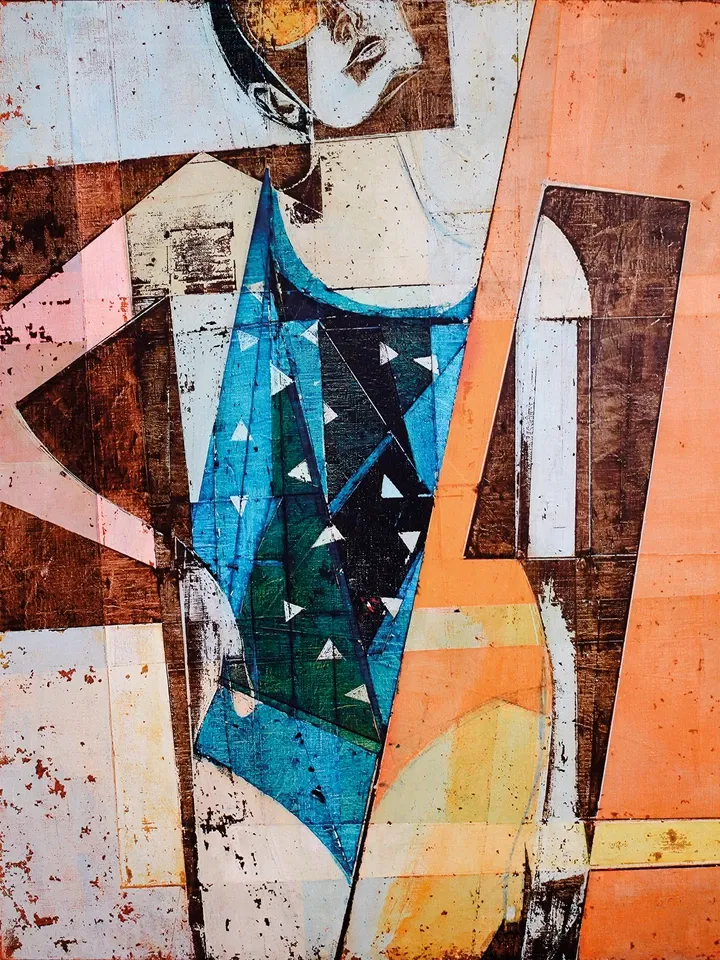
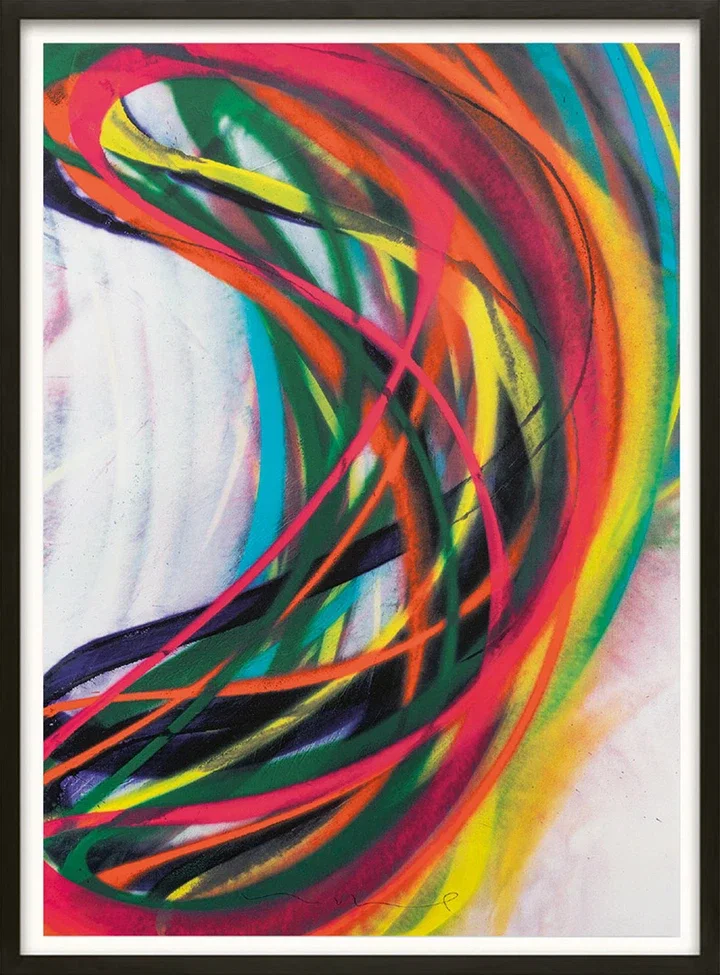
The brushwork of Expressionist pictures is expressive, angular, abstracted and woodcut-like. Many artists used unmixed colors, applying them directly to the canvas. The result was highly luminous colors and vibrant pictures. In this way, they hoped to convey their feelings — such as anger, pain or fear — directly and immediately. The motif of the city and its inhabitants recurs again and again.
The disillusionment of the First World War marked a turning point for Expressionism. It was followed by art movements such as New Objectivity, Surrealist art and non-representational currents such as Abstract painting. Wassily Kandinsky, for example, soon freed color from its representational role and gave it a value of its own. Abstract compositions without motifs such as cities, people or animals emerged. This continuation of non-representational art was taken up again in the mid-20th century by American artists such as Mark Rothko and Jackson Pollock. Here, the process of painting itself became increasingly important, rather than the result. Rothko called his large-format, meditative canvases Color Field Painting, and Pollock's fast, expressive splashes of paint reveal his Action Painting technique. Together, these currents are known as Abstract Expressionism. From the 1960s onward, artists instead returned to figurative, yet still expressive, painting styles. Neo-Expressionism was born. Its best-known representatives include Georg Baselitz, Keith Haring and Jean-Michel Basquiat. In this way, Expressionism continues to have an impact today.
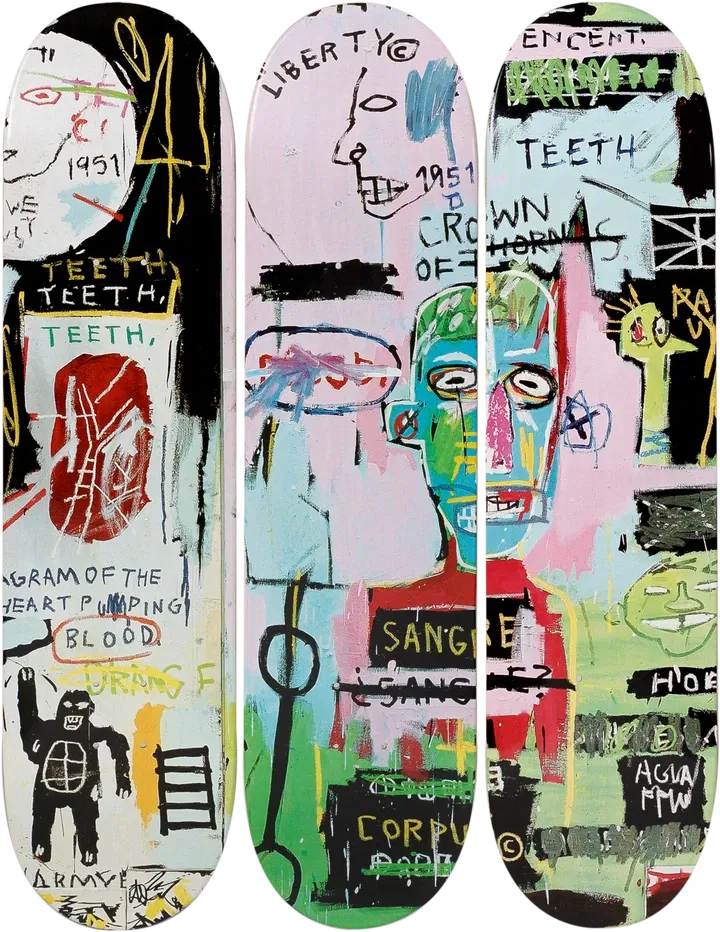
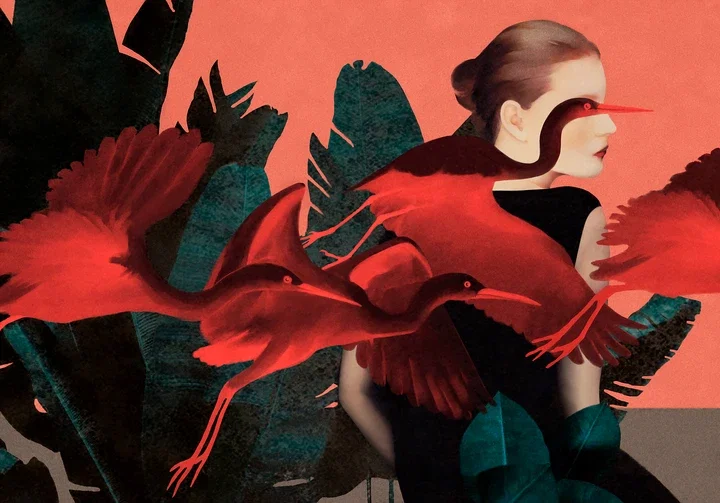
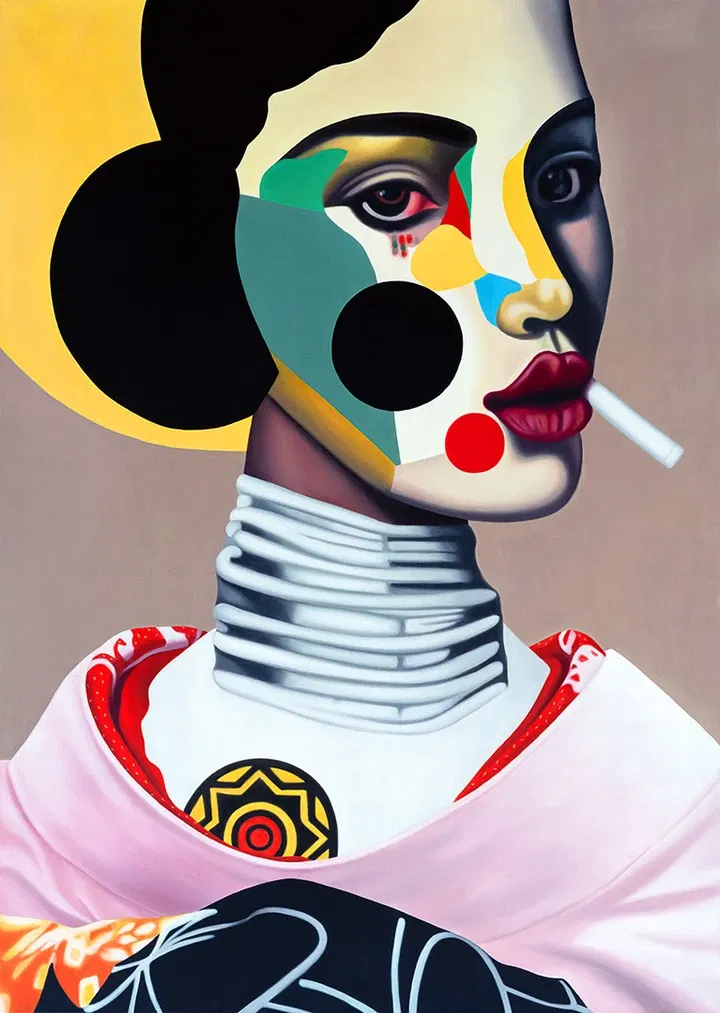
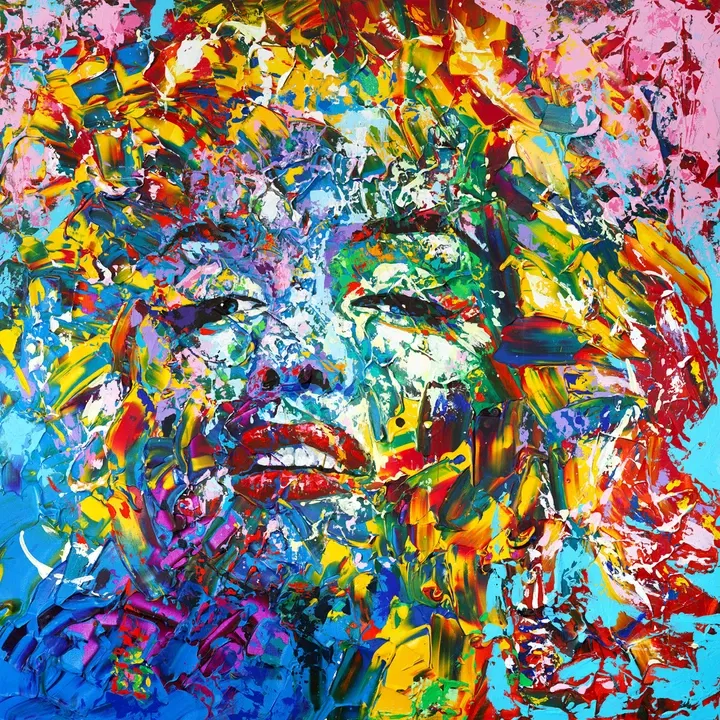
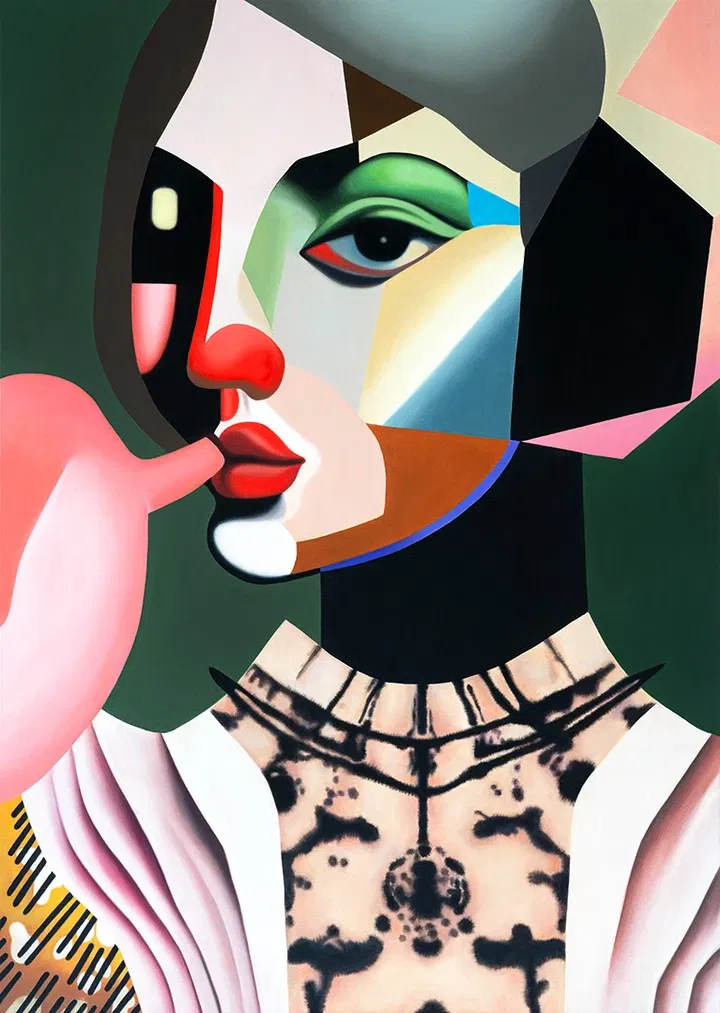
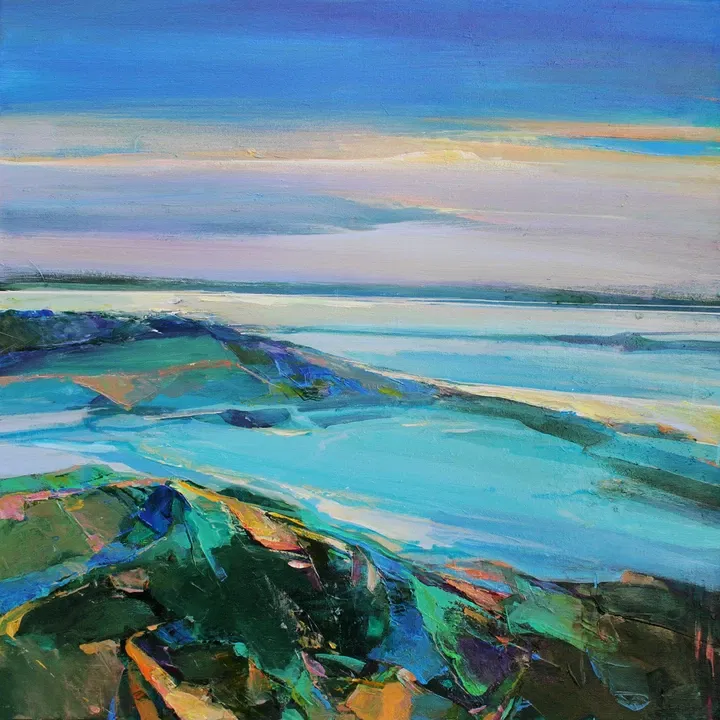
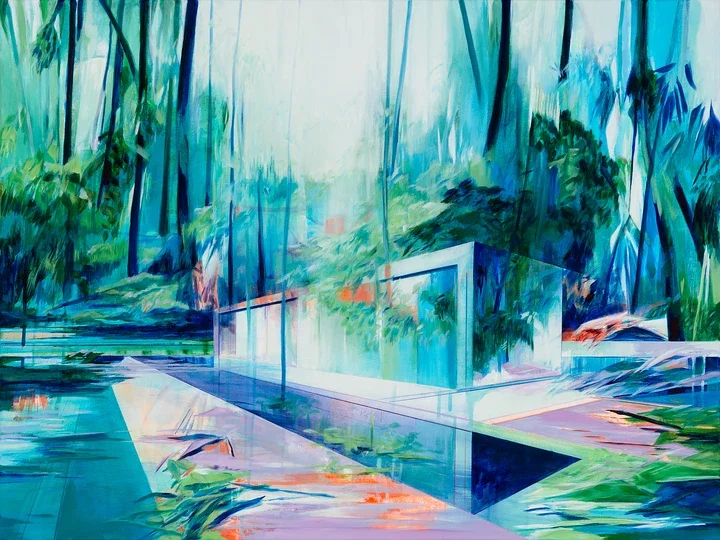
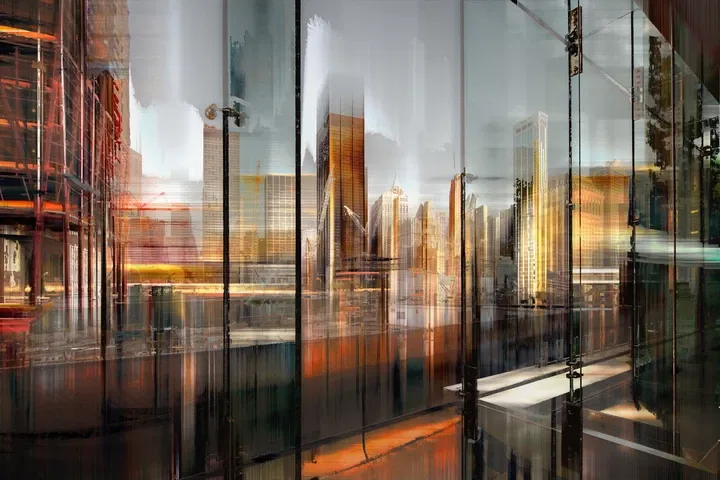
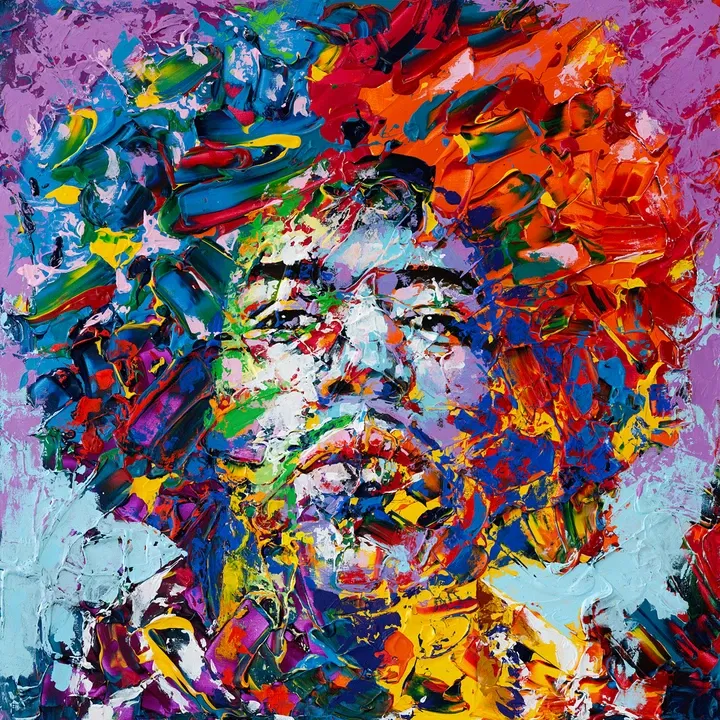
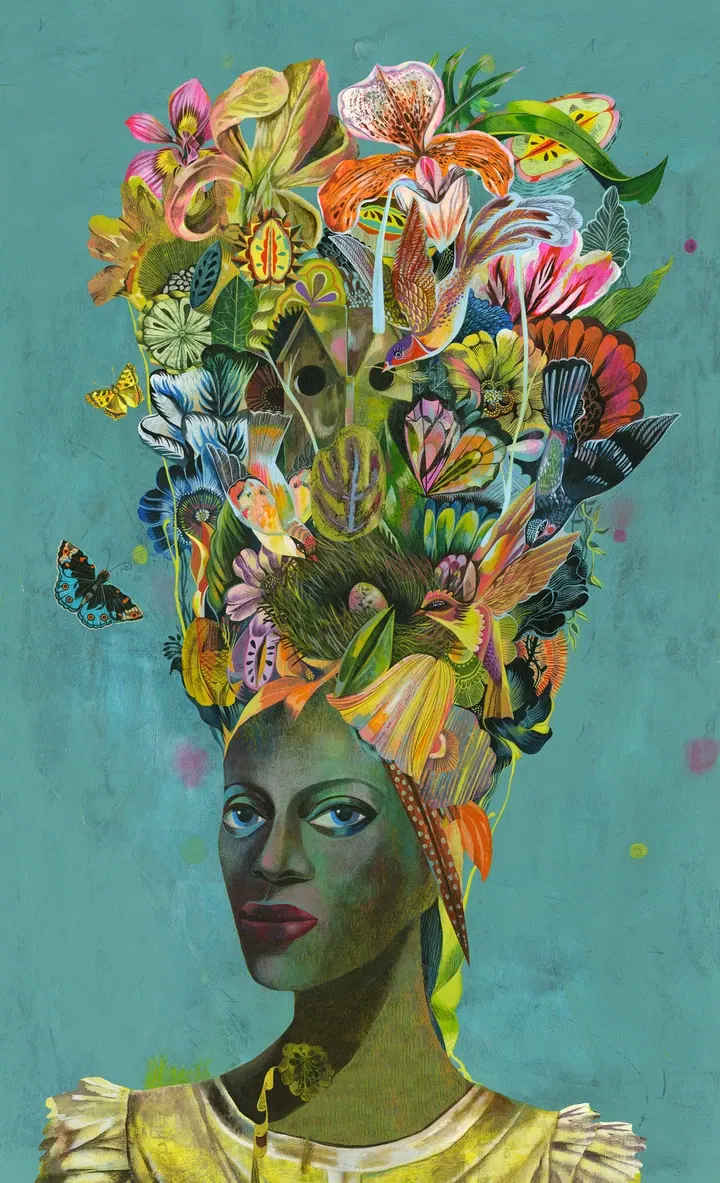
Our selected artists stand in the finest tradition of Expressionism and Neo-Expressionism. Our portfolio features many talents with big names — and others who are every bit their equal. Discover our Open Editions featuring motifs by Jean-Michel Basquiat. Olaf Hajek and Daniel Maria Thurau create colorful portraits and still lifes whose vivid palette recalls the pre-Expressionists Vincent van Gogh and Paul Gauguin. Experience Expressionist artworks exactly to your taste and find your favorites as art for your home!
| 1893 | Edvard Munch's The Scream is considered the first Expressionist work of art. |
| 06.07.1905 – 05.1913 | The artists' group Die Brücke is founded in Dresden, and later disbands in Berlin. Founding members: Ernst Ludwig Kirchner, Fritz Bleyl, Erich Heckel and Karl Schmidt-Rottluff. |
| 01.22.1909 | The Neue Künstlervereinigung München – N.K.V.M. (New Munich Artists' Association) is founded. Notable exhibiting artists included: Marianne von Werefkin, Pablo Picasso, Georges Braque, Wassily Kandinsky, Gabriele Münter and others. |
| 04.21.1910 | Georg Tappert and Max Pechstein found the Neue Secession (New Secession). Seven exhibitions are held in Berlin by 1914. |
| 1933 | After the Nazis seize power, Expressionism is branded one of the "degenerate" arts. Artists are persecuted, and paintings are removed from museums, destroyed, or sold abroad. The loss to posterity is immeasurable. |
| from ca. 1950 | USA: Abstract Expressionism emerges, including Color Field Painting, Action Painting, Drip Painting and others. Known in Europe as Art Informel, Art Brut, Tachisme. Expressionism becomes entirely non-representational. |
| from the 1960s | Neo-Expressionism. A return to figurative painting, but in an expressionist style. Representatives in Germany: Georg Baselitz, Eugen Schönebeck, Anselm Kiefer. Also known as Neue Wilde, Wild Style (Basquiat, Haring). |
