Introduction
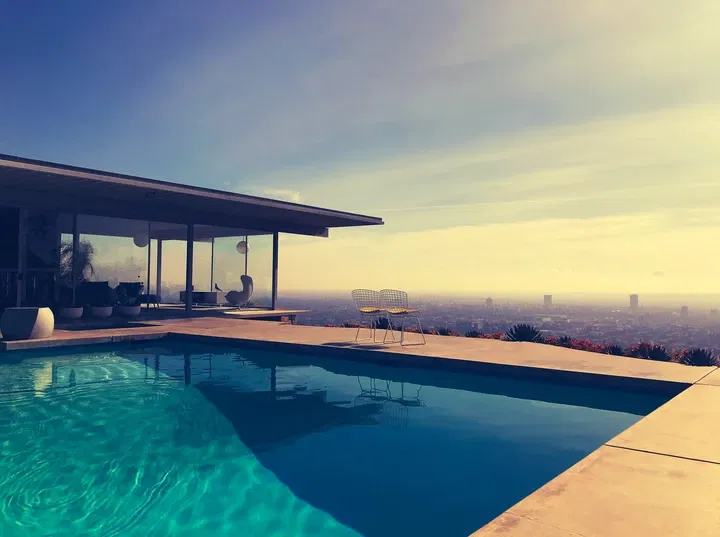
Lilly Muth develops her visual language from architecture – not as a motif, but as a way of thinking. During her studies in Interior Architecture and Design in Barcelona, particularly at the Instituto Europeo di Designo, she formed an understanding of space as a constructed system: built, structured, composed. The architecture she encountered there is not quoted in her series Magic Places, but carried forward – as the starting point for autonomous pictorial spaces.
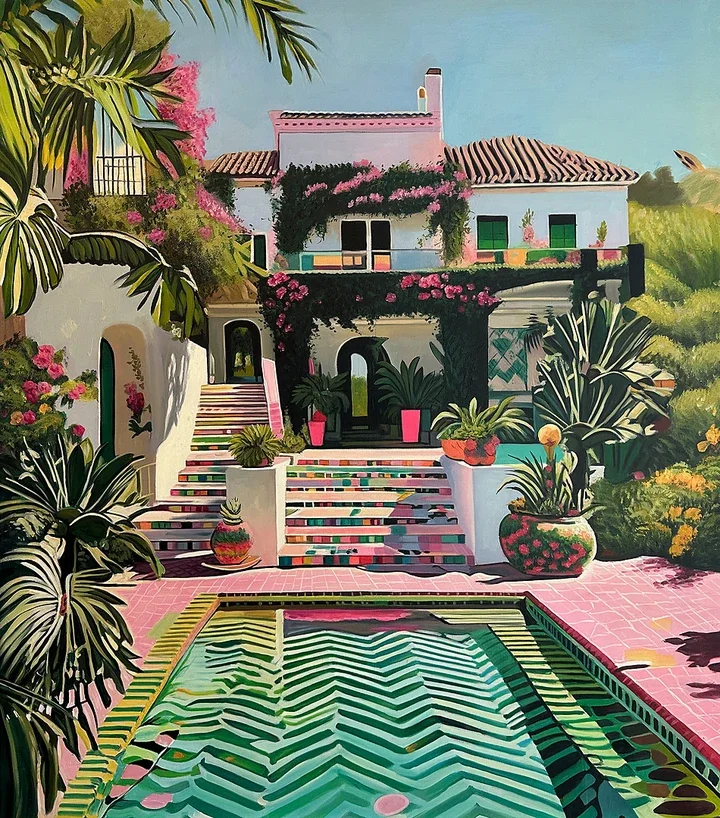
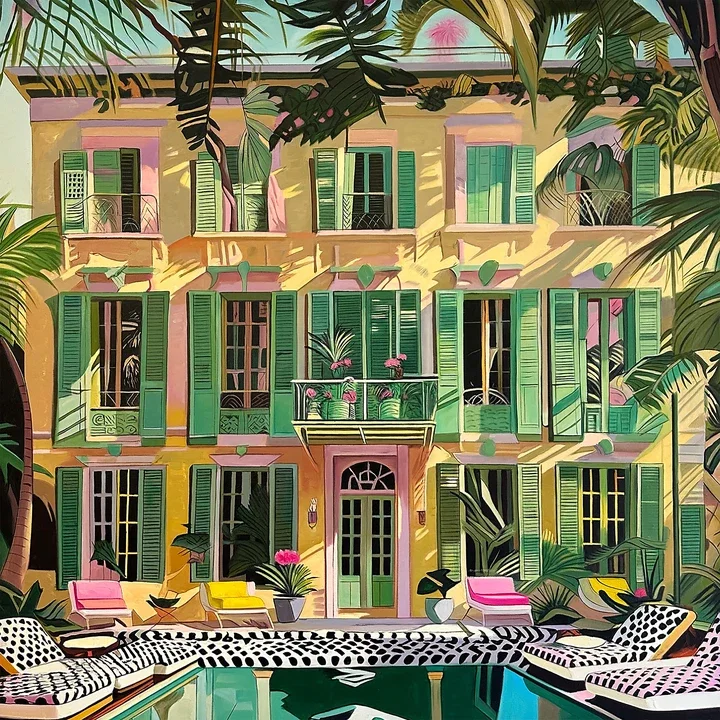
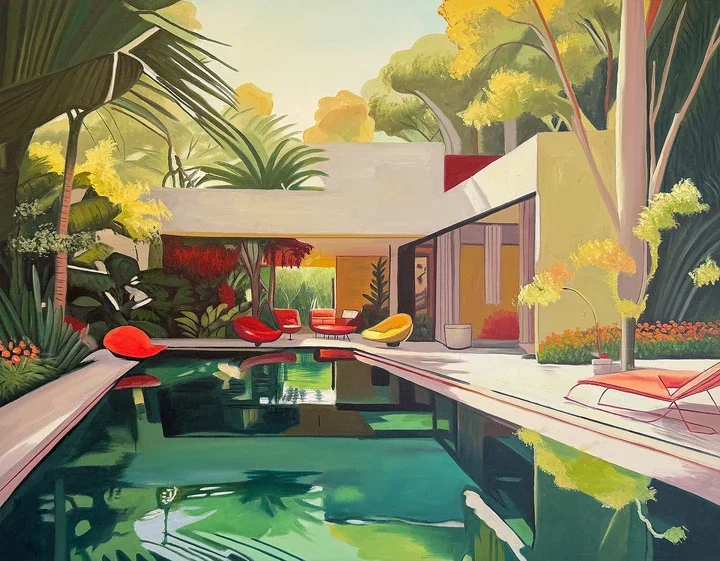
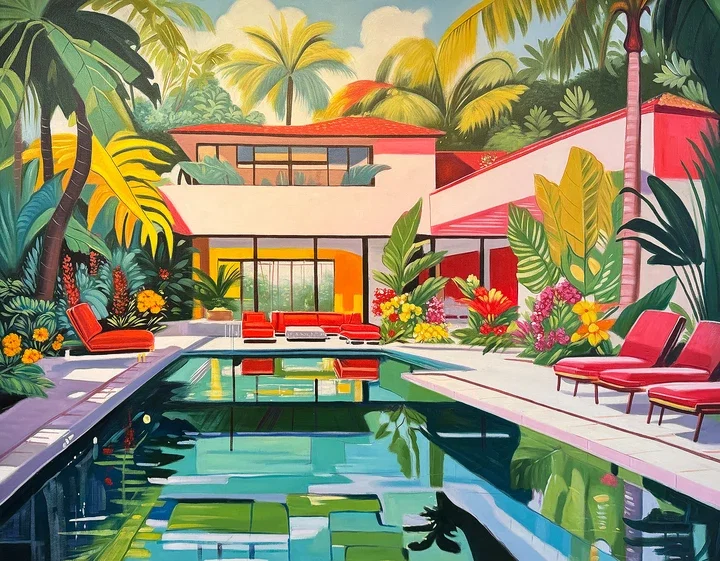
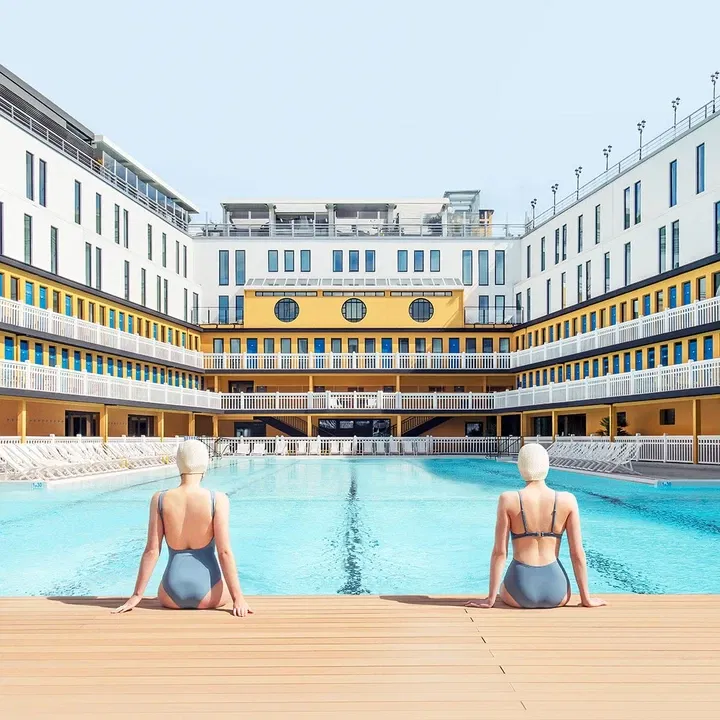
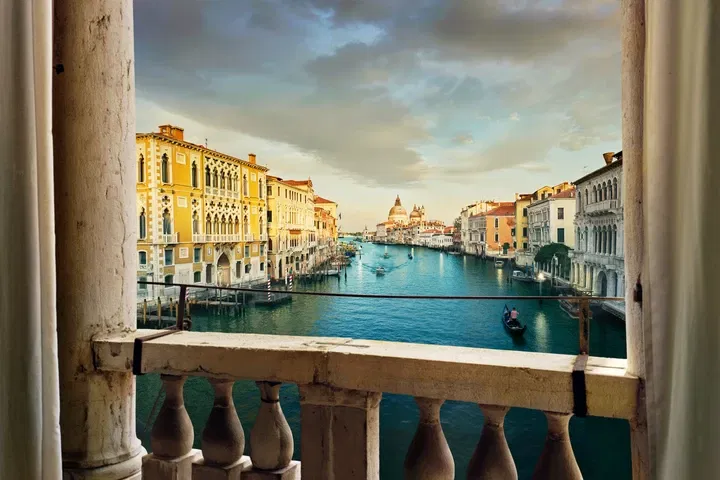
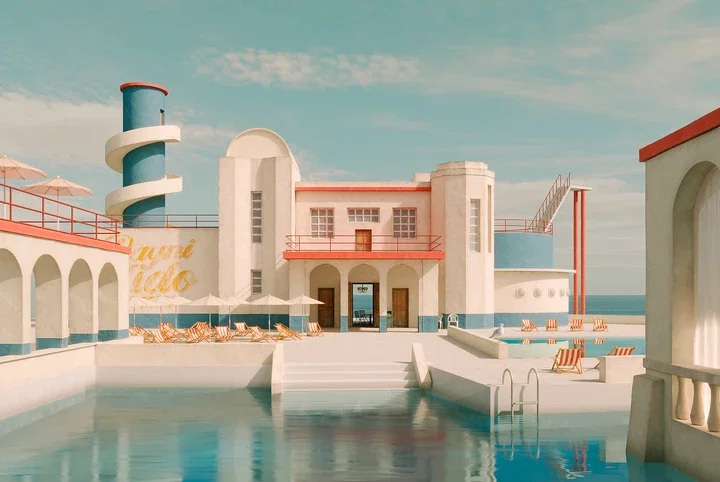
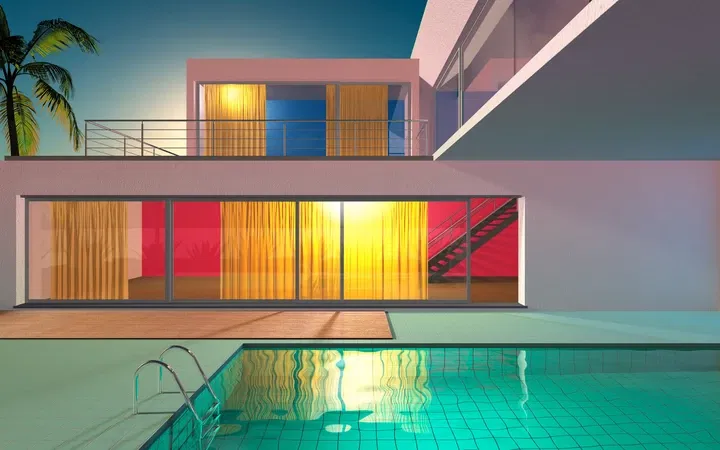
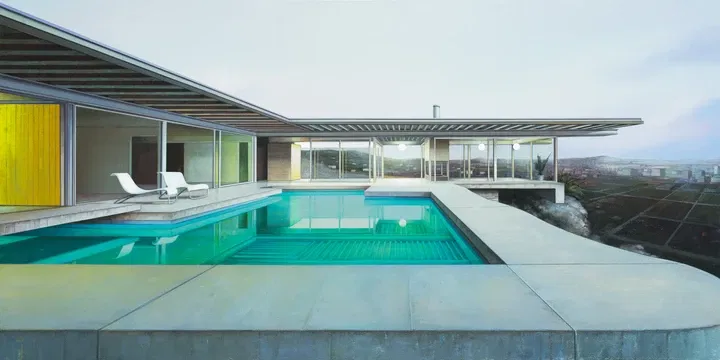
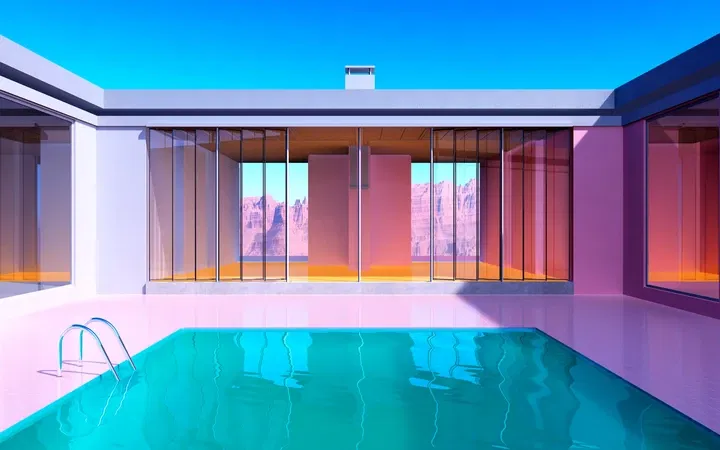
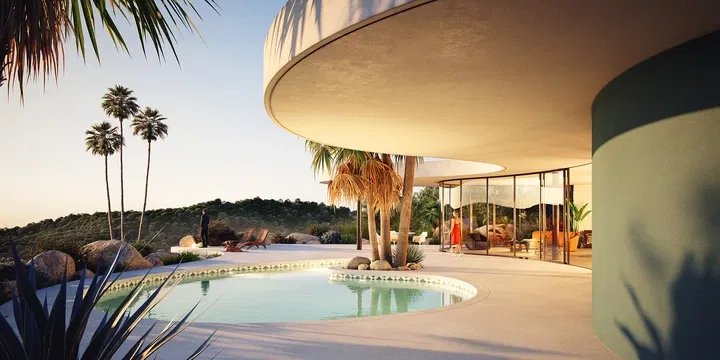
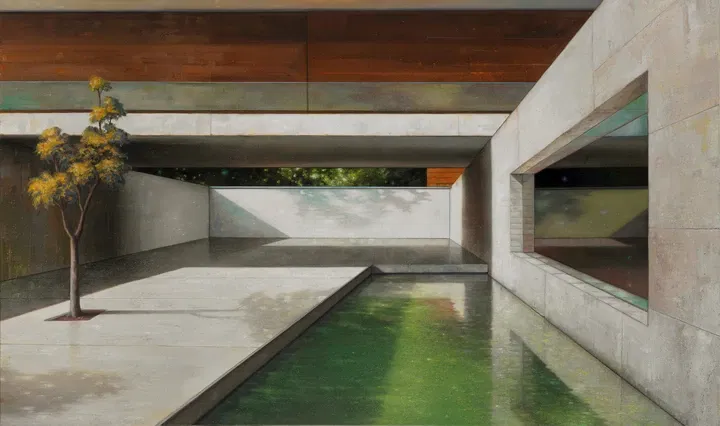
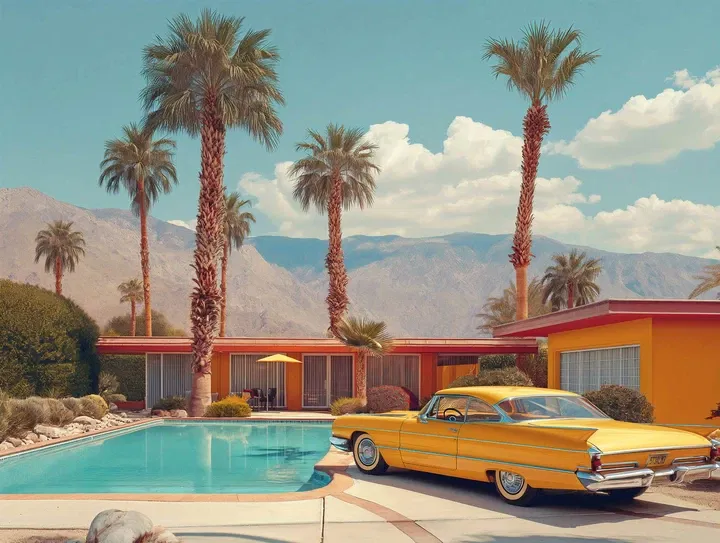
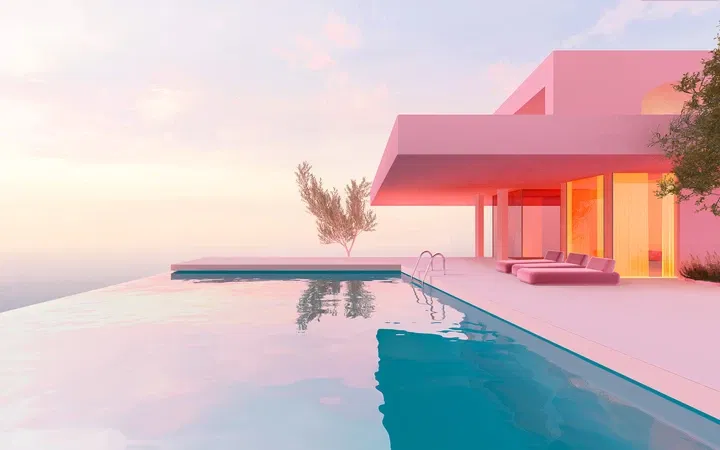
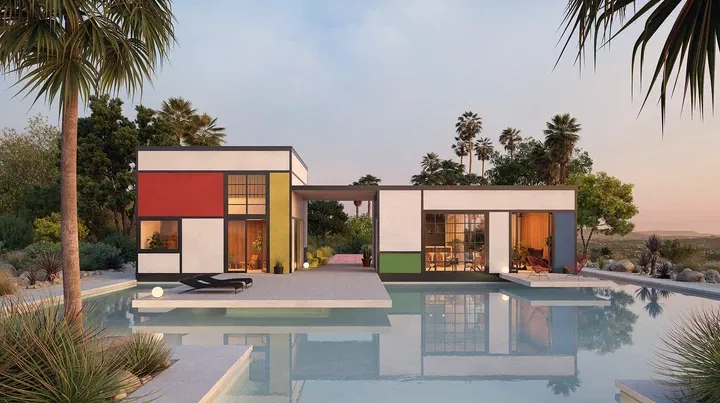
In her paintings, compositions emerge in which architectural elements such as façades, staircases, terraces, and pool structures are reconfigured into new spatial relationships. These spaces do not follow a documentary logic, but an internal order: perspectives shift, transitions are smoothed, and proportions are adjusted in favor of the overall composition. Architecture is not depicted, but designed – as image.
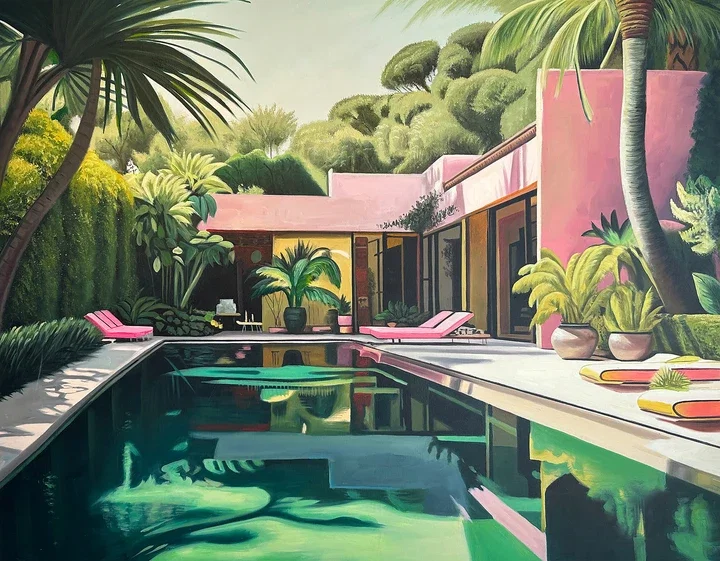
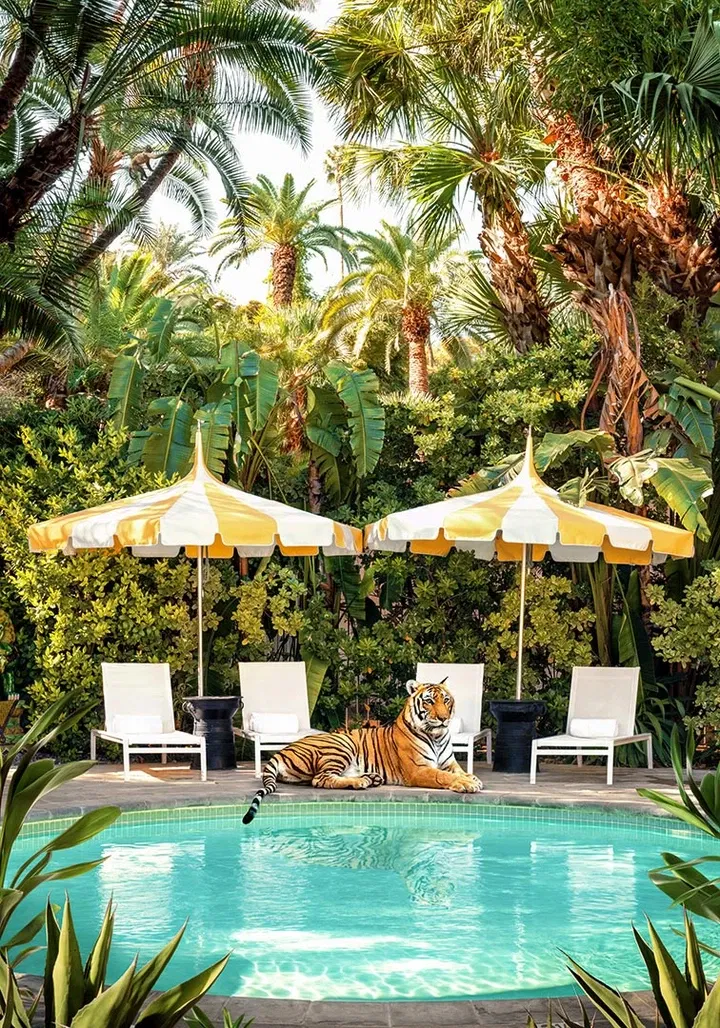
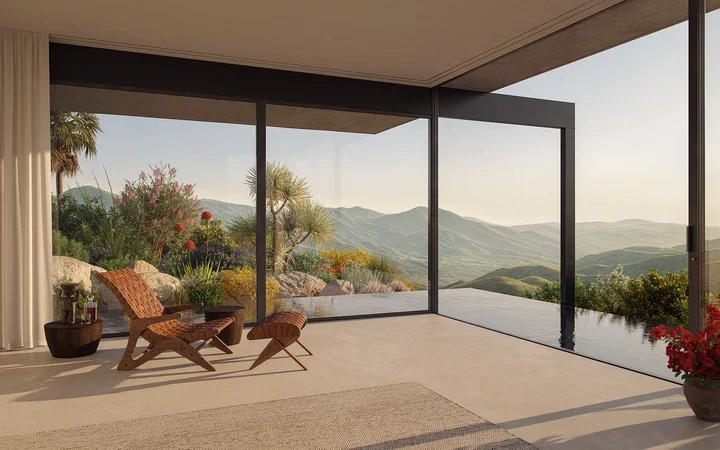
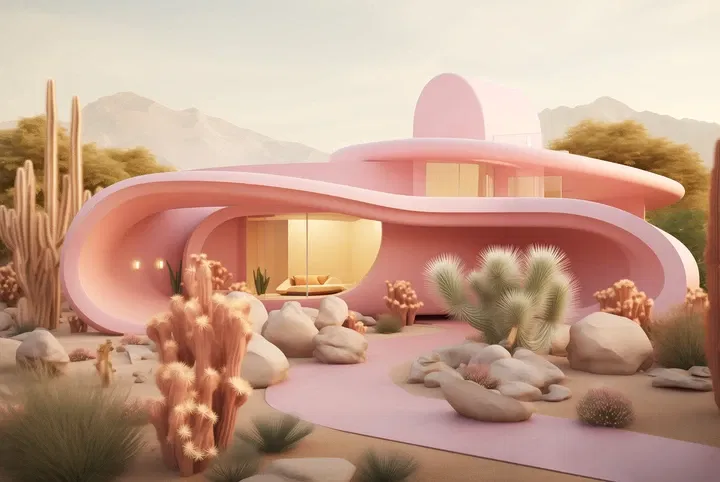
This clarity of structure enters into a deliberate tension with nature. Vegetation grows into the architecture, overlays it, or appears to reclaim its space. The built environment remains visible, yet loses its rigidity and becomes part of an open system in which organic and constructed elements interpenetrate.
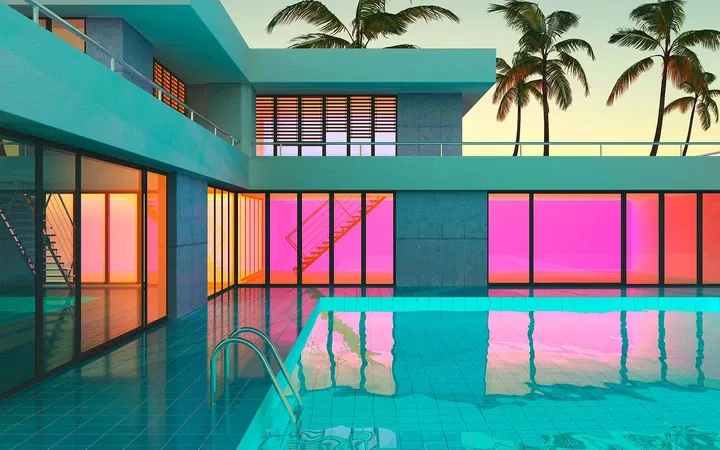
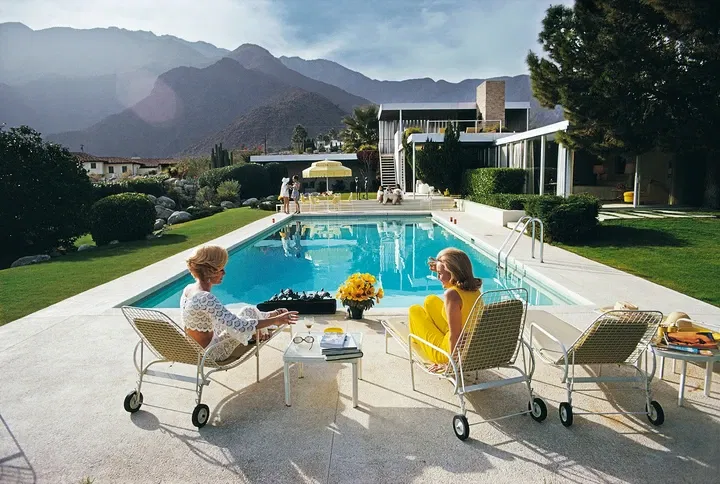
Water forms another defining element. Pools, reflections, and refractions of light do not merely structure the surface, but shape spatial depth. They calm the composition, shift axes of vision, and connect individual pictorial layers into a cohesive spatial whole.
This constructive approach is equally evident in her use of color. Clearly delineated color fields organize the composition and define spatial zones. Pastel base tones meet precisely placed, saturated accents – particularly in vegetation or architectural details – creating contrasts that guide the eye without dramatizing it. Color does not function as atmosphere, but as a structural device.
The result is a body of work situated between memory and design: informed by travel impressions, architectural observation, and inner imagery, yet not tied to specific places. Scents, colors, flavors, and atmospheres are aesthetically condensed here – into pictorial spaces in which sensory impressions take form. Magic Places does not depict landscapes in a conventional sense, but constructs spaces in which perception, experience, and imagination converge.
Bio
Lilly Muth is a German artist whose work is shaped by an early exposure to art and antiques. Her studies in fashion focused on drawing, form, and aesthetic precision, before she turned to architecture and space through her engagement with the Instituto Europeo di Designo in Barcelona—an influence that continues to define her visual language today.
Interview
Picasso once said, “you don’t make art, you find it.” Where do you find your art?
Often in moments that cannot be captured – in light, in water, in memories of travel, and in time spent with people I love. My work emerges somewhere between real impressions and inner images that suddenly appear and stay.
From an idea to its materialization: How do you approach your work?
I plan my works very carefully in advance, often using photos and travel impressions as a starting point. But during the painting process, many things change – I deliberately leave room for chance and move between precision and spontaneity.
What is your favorite book?
I don’t have a single favorite book. I read a lot, especially stories that build entire worlds and feature strong female protagonists.
Imagine you have a time machine. Where would you go?
To the future – out of curiosity and hope for better structures. A place where I don’t yet know how spaces look, how nature and architecture coexist. Perhaps I would find images that do not yet exist – and bring back a new feeling.
Other than art, what are you most passionate about?
Traveling. Discovering new places, cultures, and escaping everyday life. Experiencing flavors, colors, and atmospheres – impressions that often flow into my work in subtle ways.