New
Unfortunately, this artwork cannot be added to the room view.


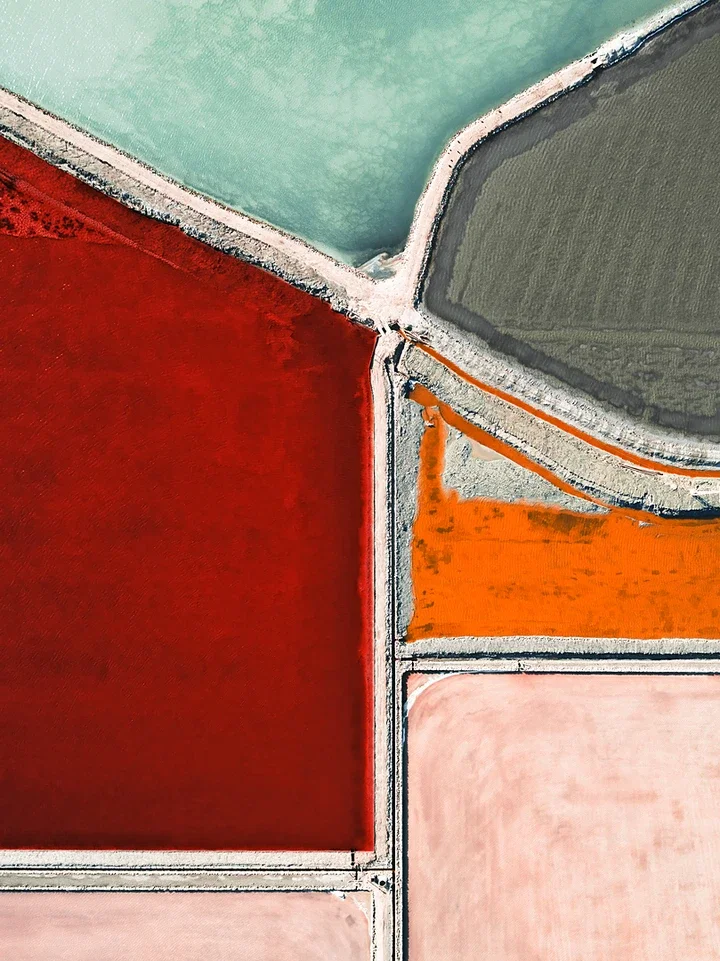
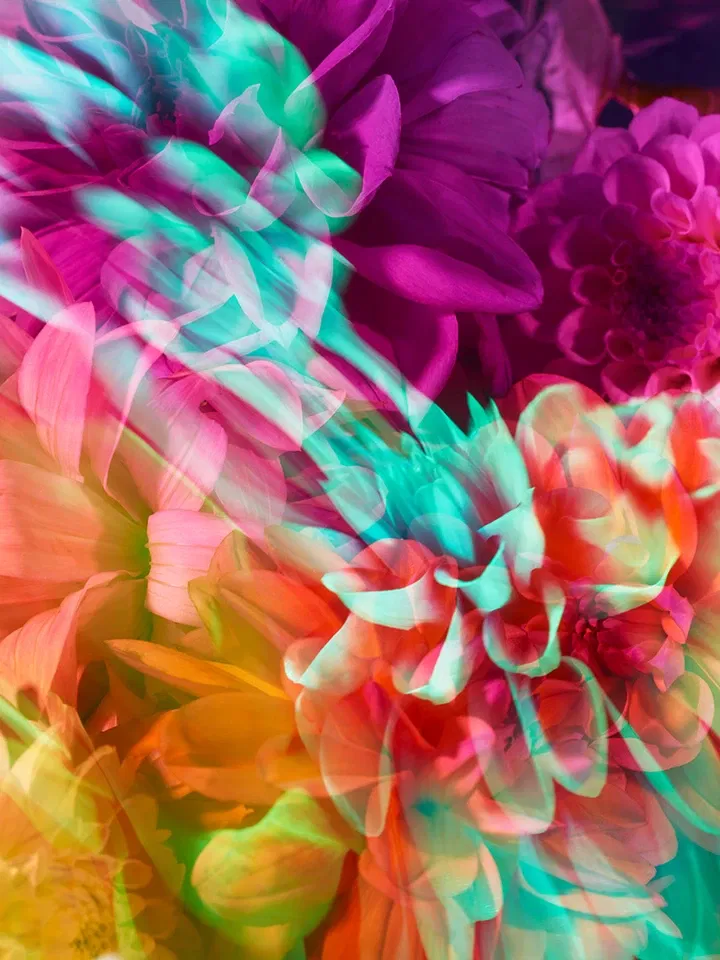
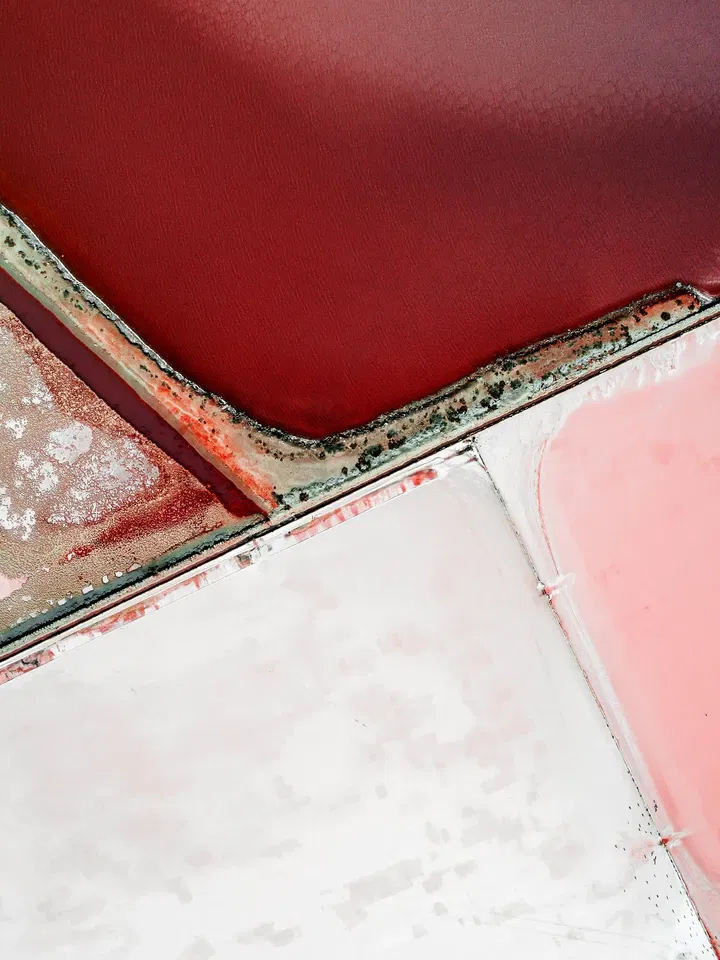
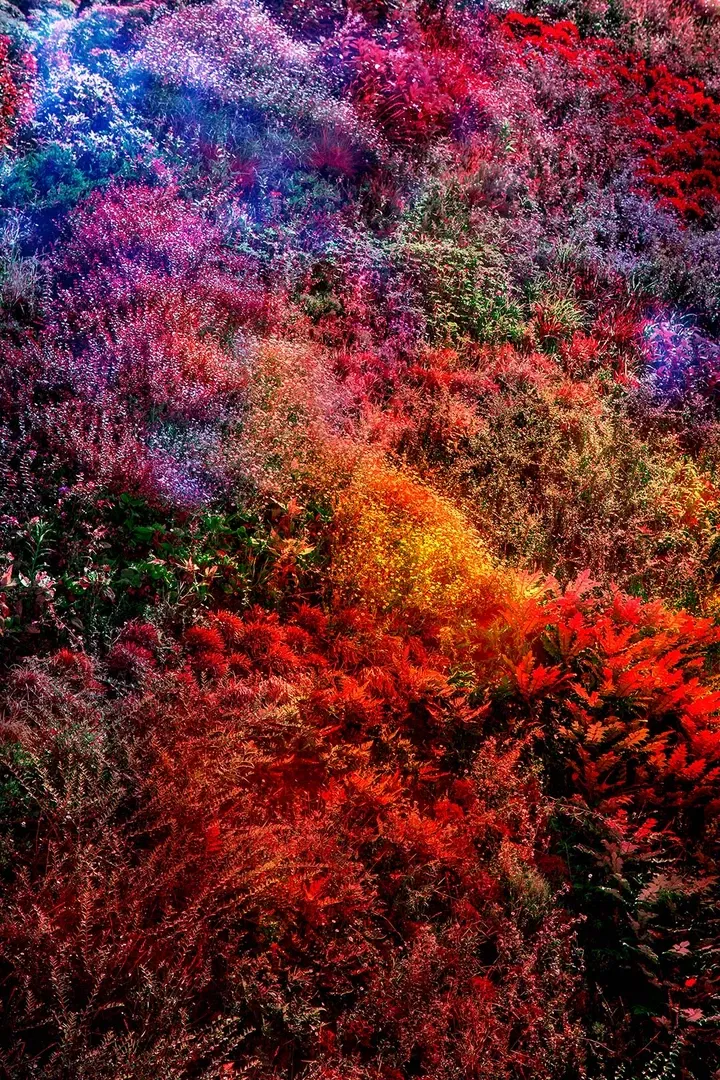
In her photography, painting and digital art, Carla Sá Fernandes makes the unpredictable the guiding principle of her creative practice. Her starting point is a blank canvas or an unedited… Read more
Bio Interview
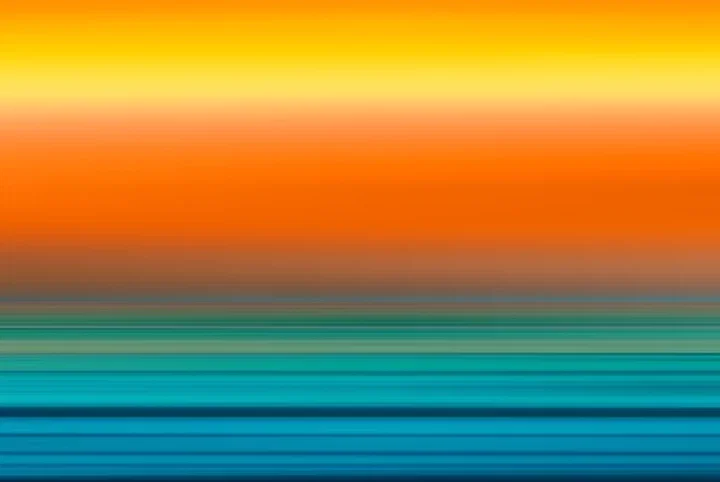
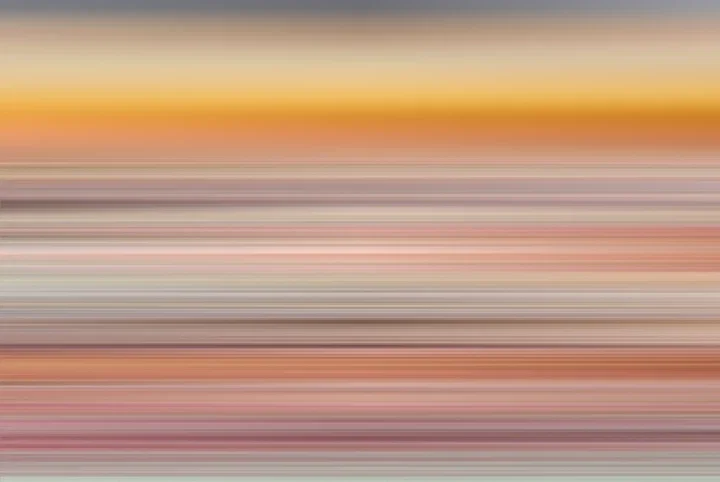
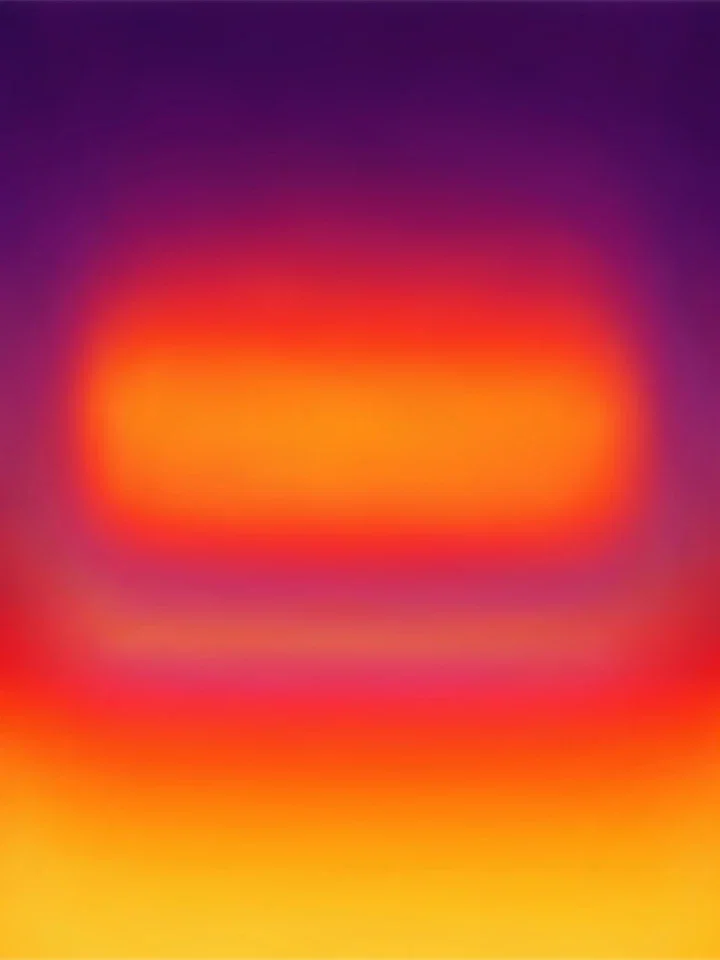
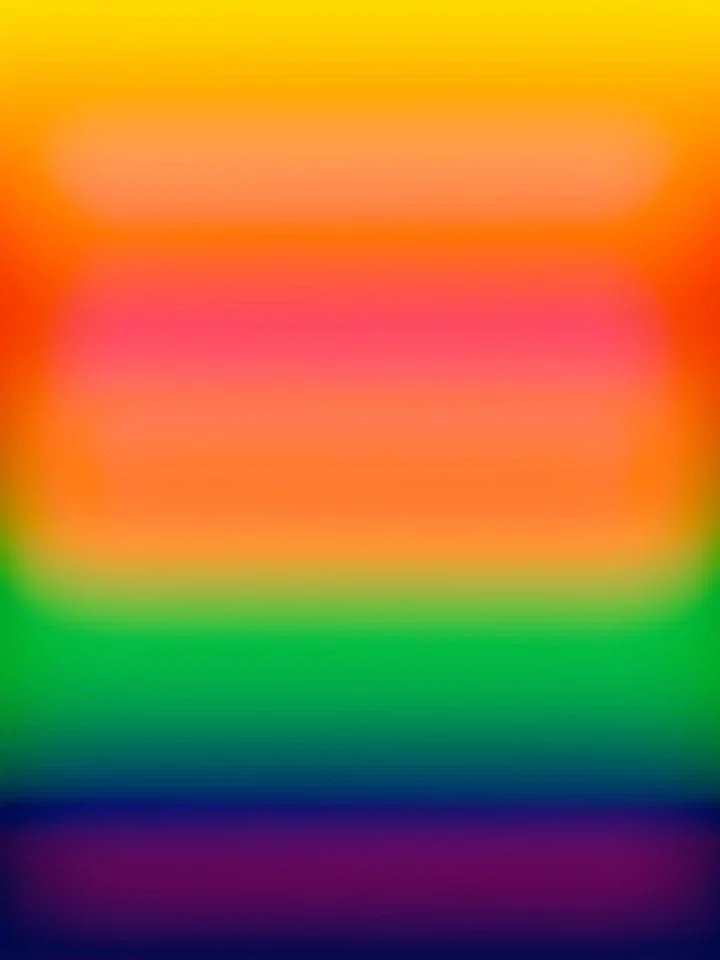
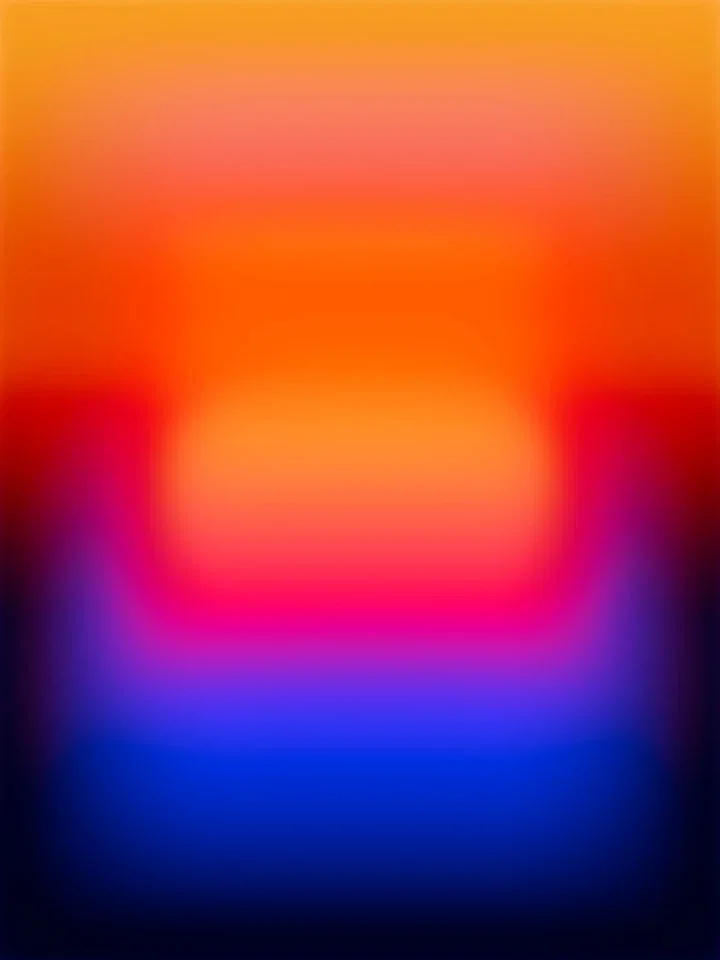
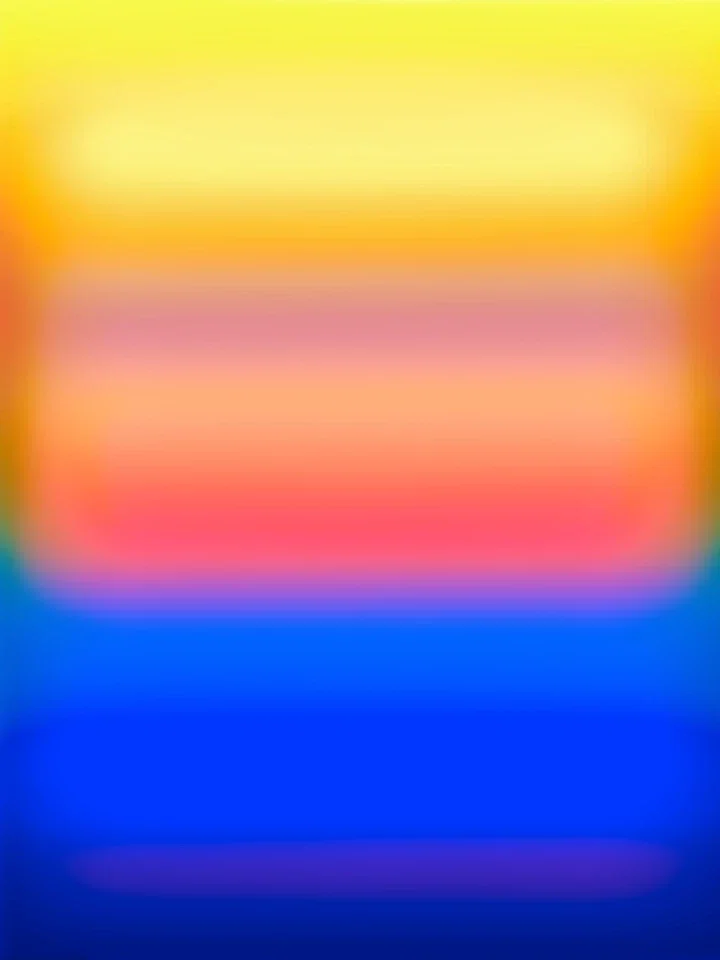
In her photography, painting and digital art, Carla Sá Fernandes makes the unpredictable the guiding principle of her creative practice. Her starting point is a blank canvas or an unedited photograph; from there, she follows colour, light and intuition, allowing them to guide her through the creative process. It is not the image in her mind that sets the direction – the image itself finds its own way.
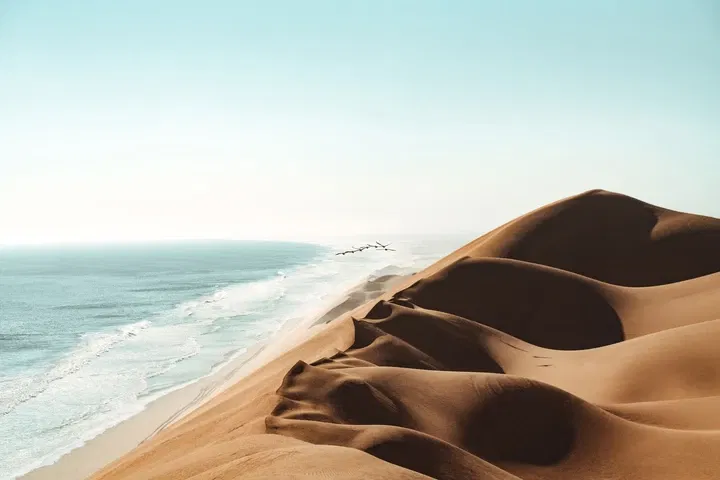
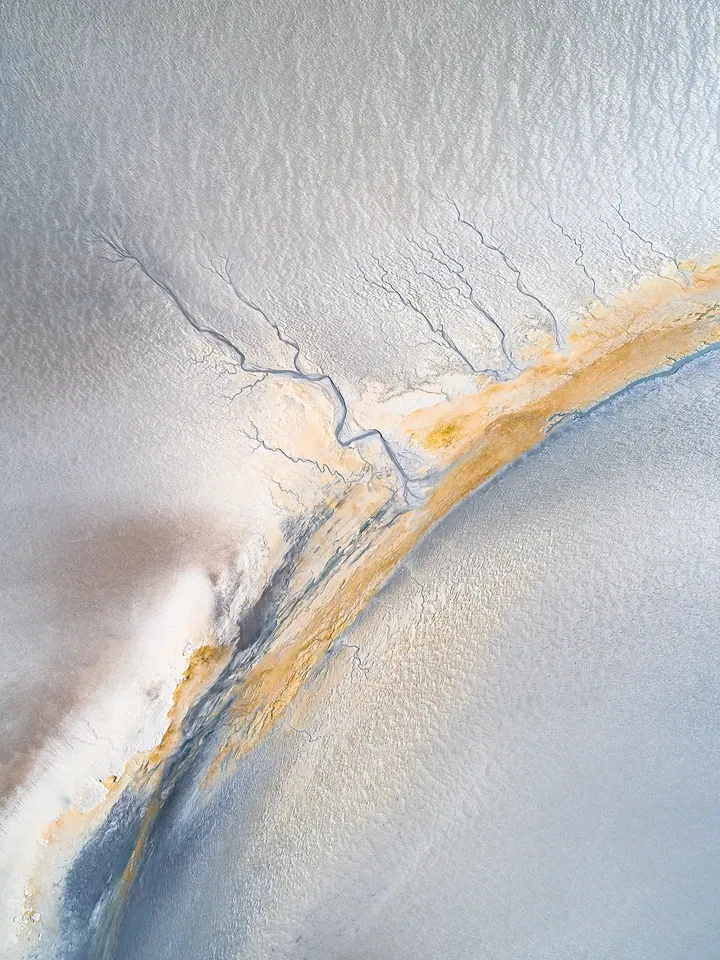
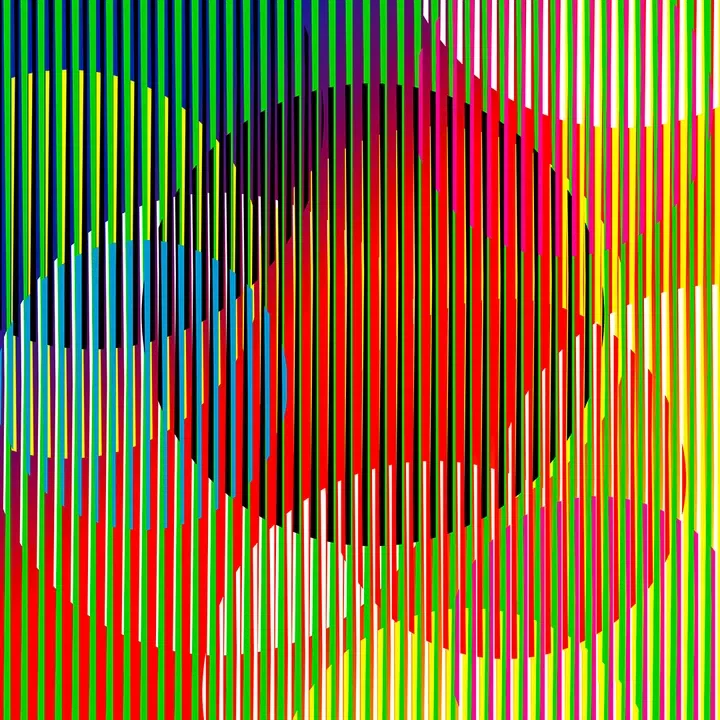
This open-ended process links the various areas of her work. In photography, the captured subject forms the starting point, which Sá Fernandes then alters and transforms as the process unfolds. In her digital imagery, by contrast, she utilises the freedom of the medium to continually rebalance colour and light. Technique is not an end in itself. It is the instrument used to convey a visual language whose defining constants are emotional intensity, vibrant colour and a palpable inner movement. “Art comes into being when something within me finds its way out,” is how the artist herself describes this connection.
The fact that Sá Fernandes works in both analogue and digital media seems almost inevitable. Born in 1971, the Portuguese artist did not arrive at her current practice via a traditional art academy. She initially studied chemical engineering and later completed an MBA before furthering her artistic training with courses in painting at the Faculdade de Belas Artes at the University of Porto. For a long time, she developed her art alongside her professional career. Her current work thus brings together two seemingly contradictory ways of thinking: whilst her scientific training focused on predictability and defined relationships, as an artist she seeks precisely that which cannot be predicted.
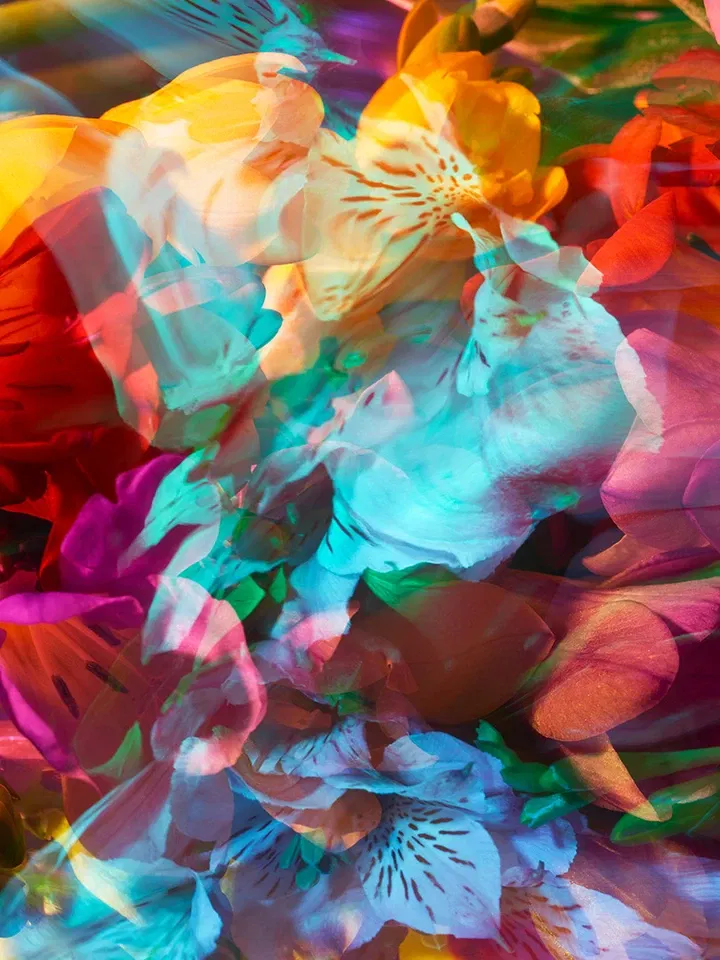
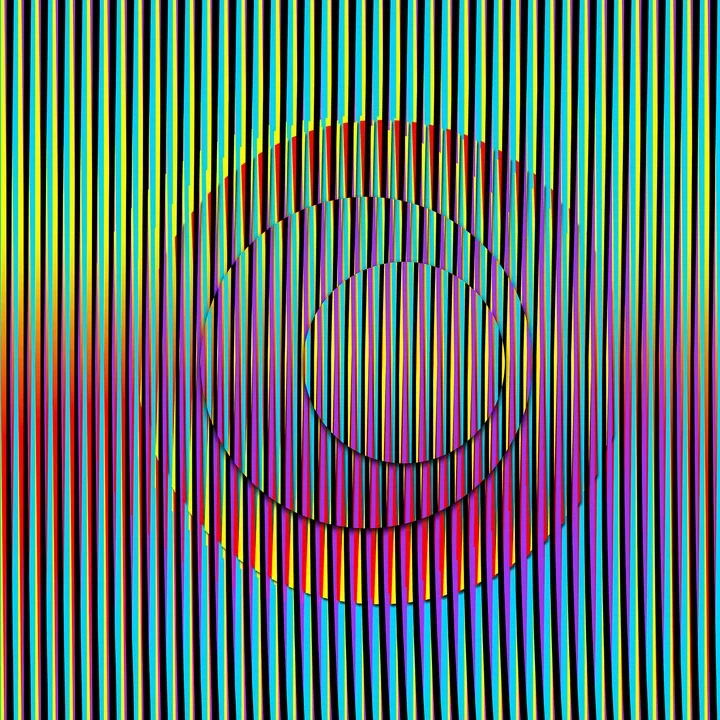
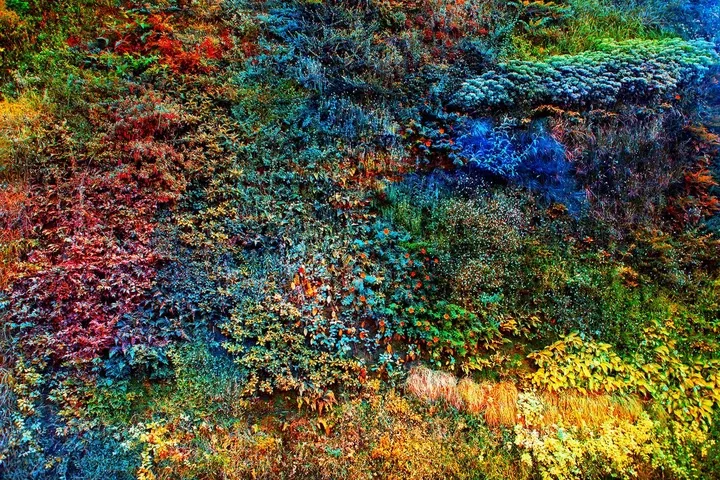
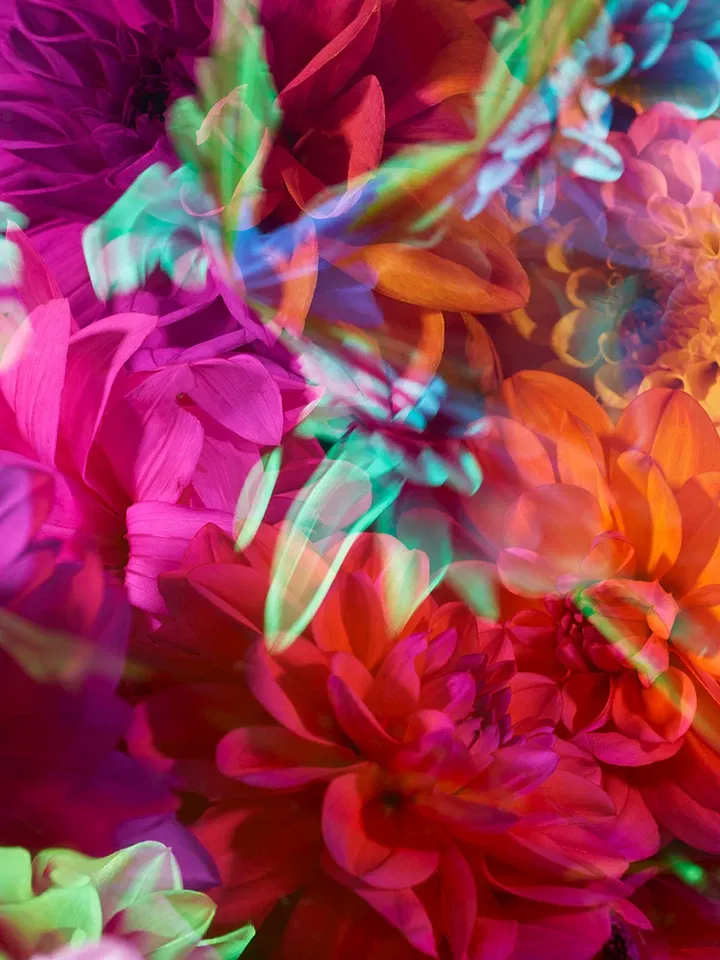
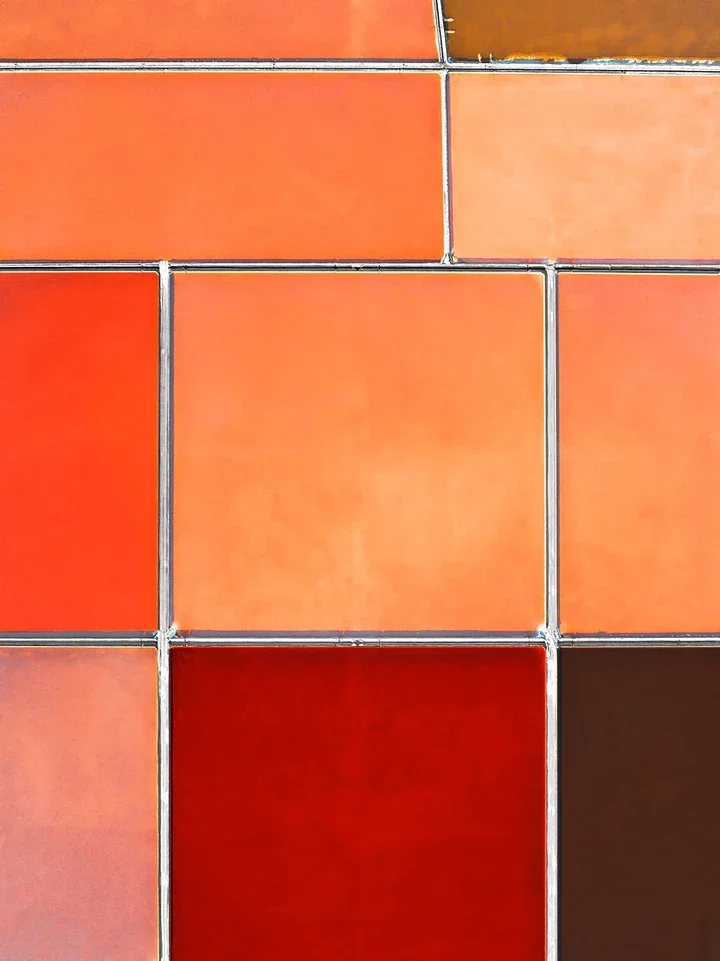
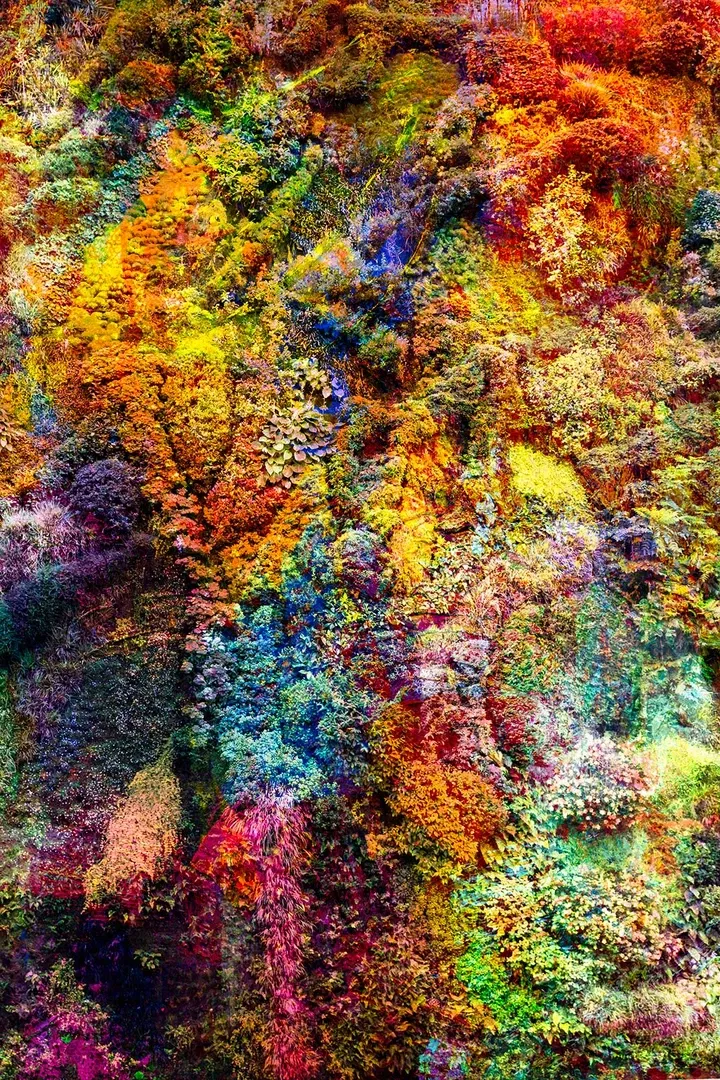
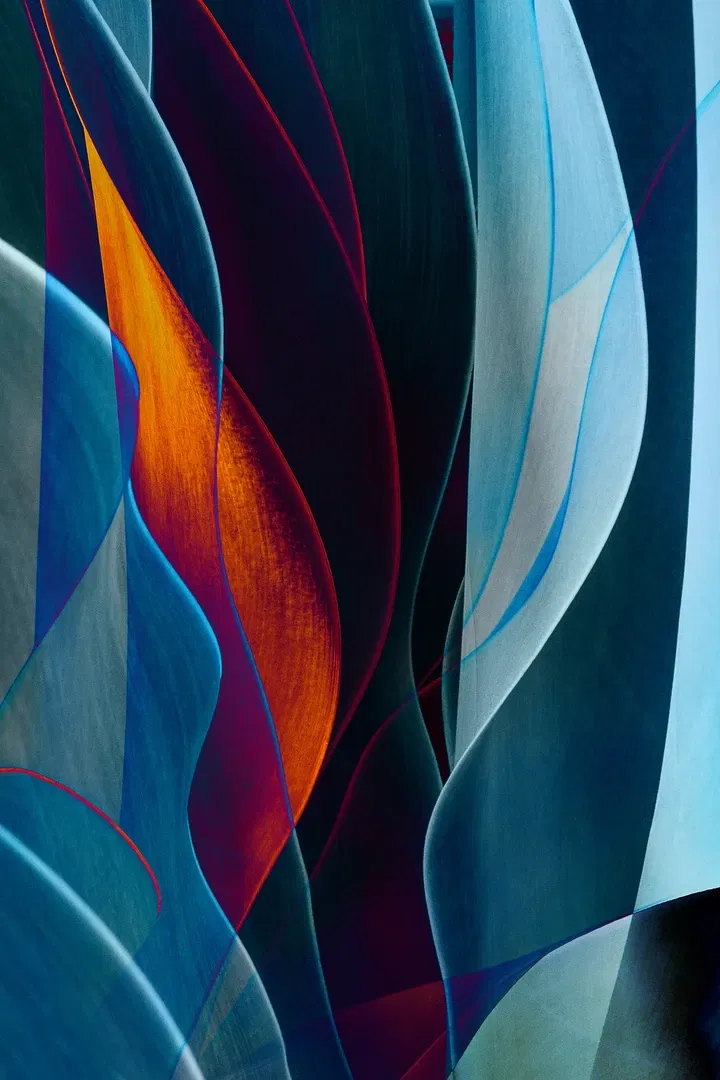
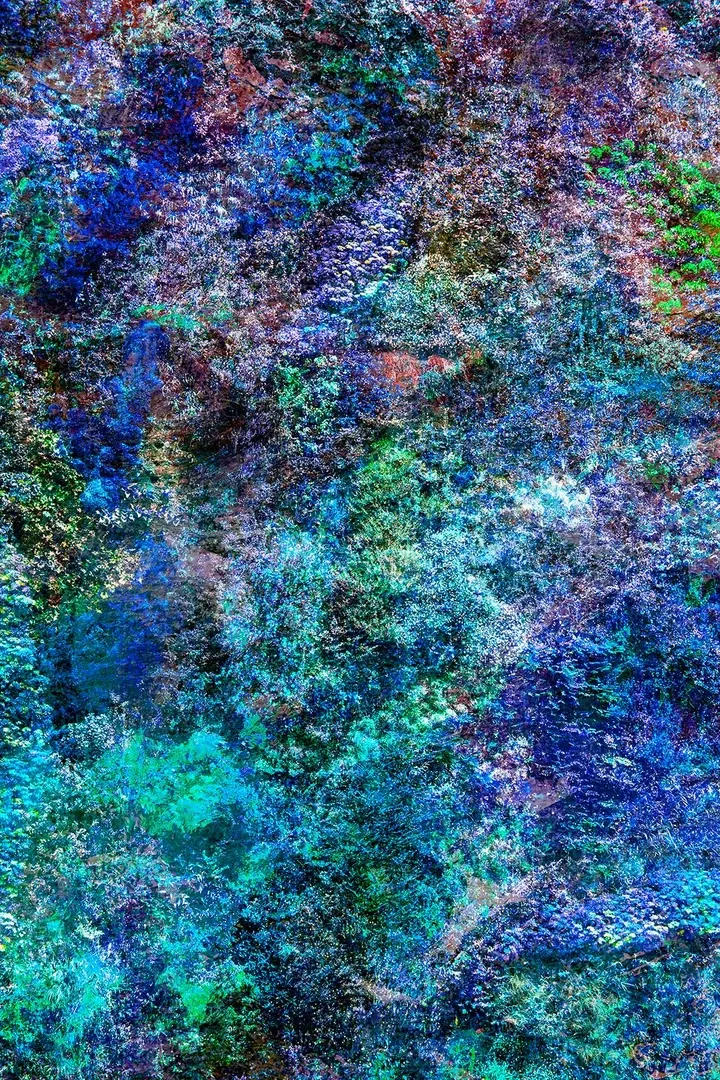
This approach also characterises the two bodies of work, ‘Beyond the Horizon’ and ‘Oneness’. Their intense use of colour initially brings to mind painting: surfaces are layered, transitions are modelled, and colours are juxtaposed or blended together. At the same time, her visual language reflects an engagement with photography and digital image-making. Light becomes a creative material, Colour can detach itself from its concrete subject, and the transformation of the visible gives rise to a reality that describes a sensation rather than a place.
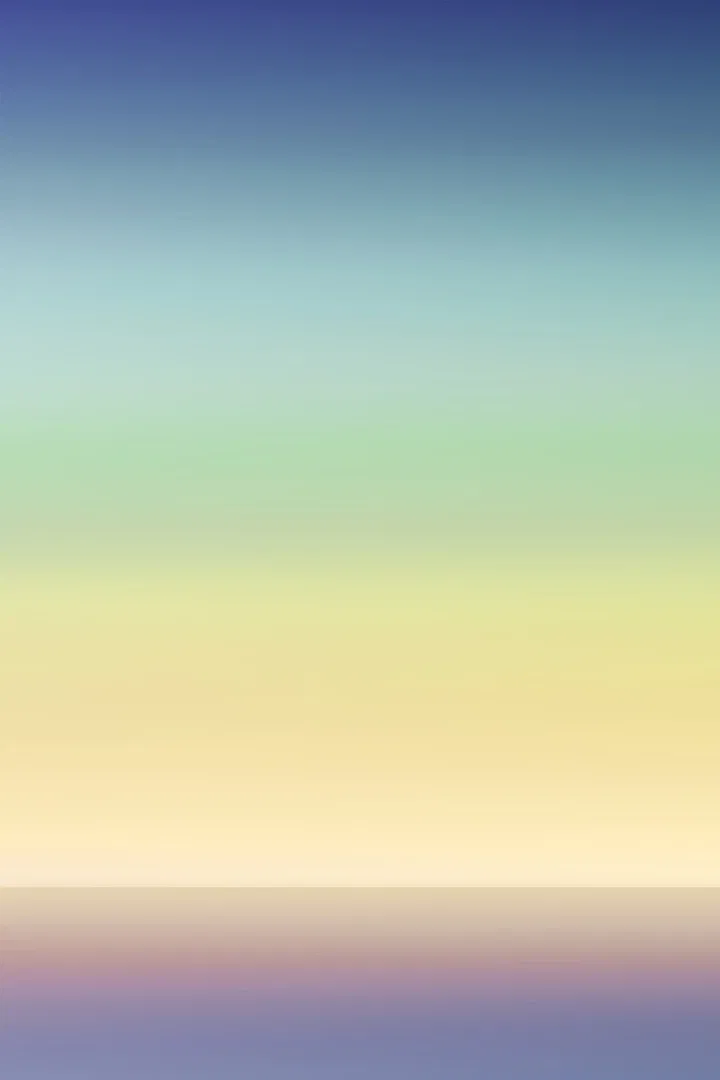
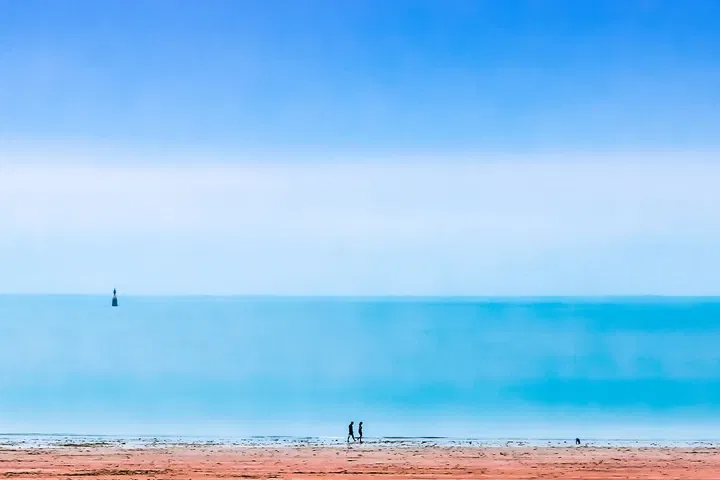
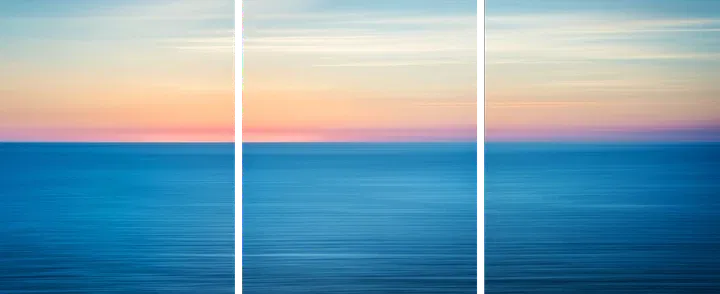
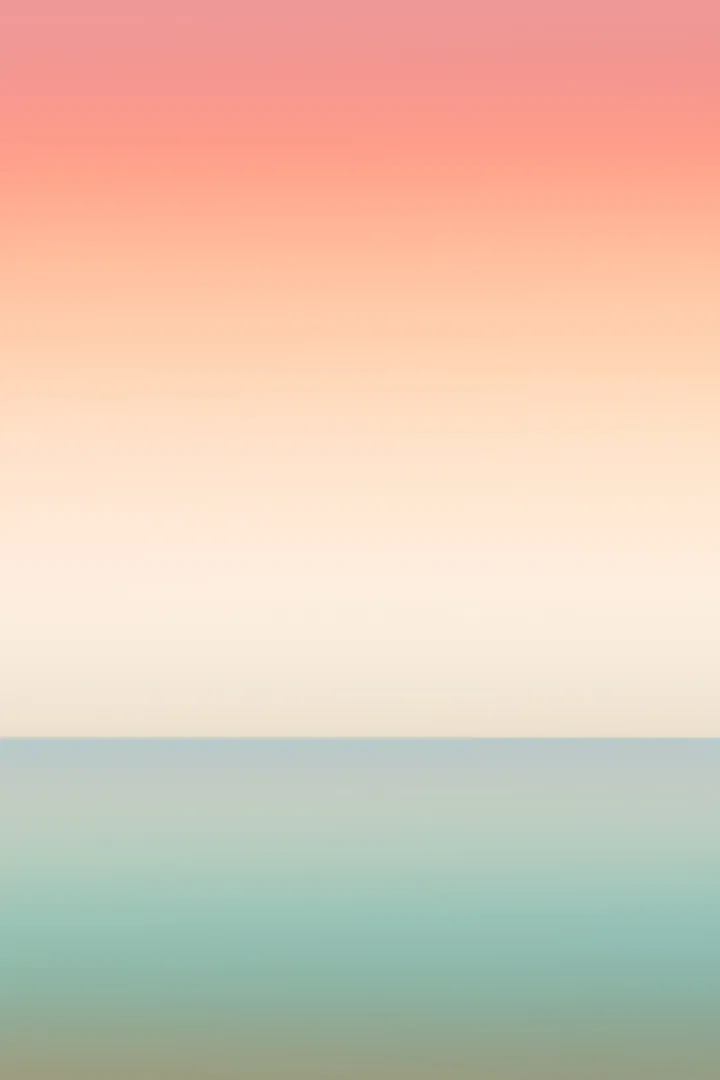
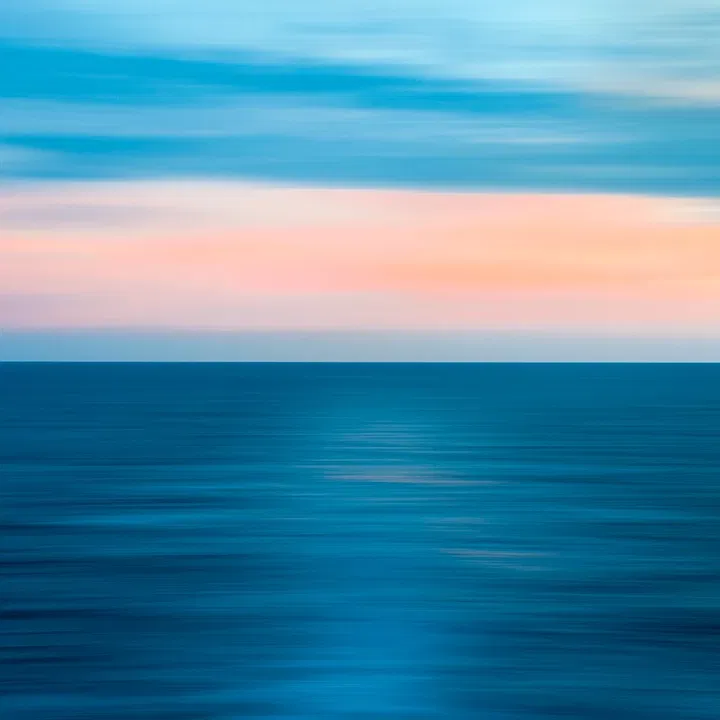
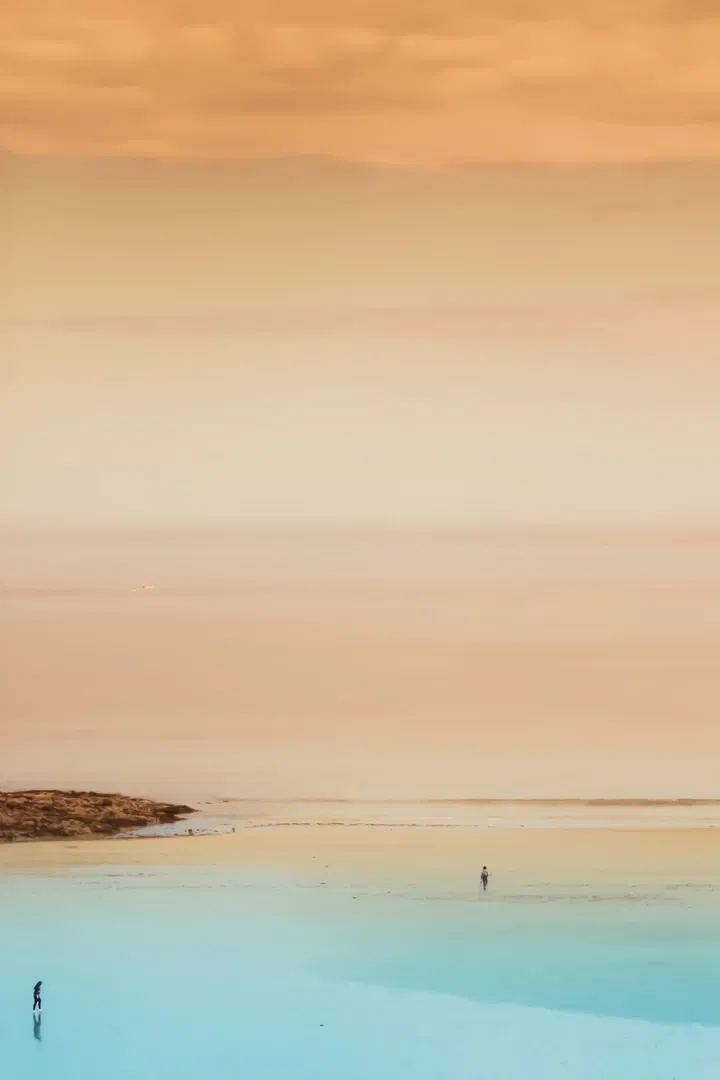
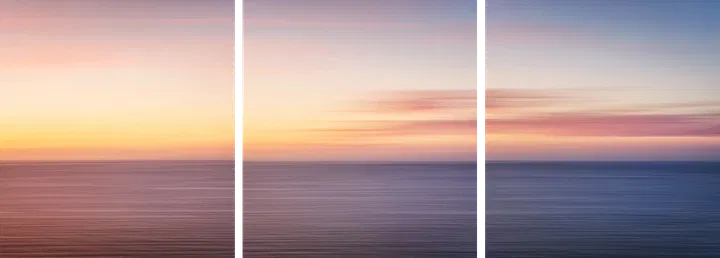
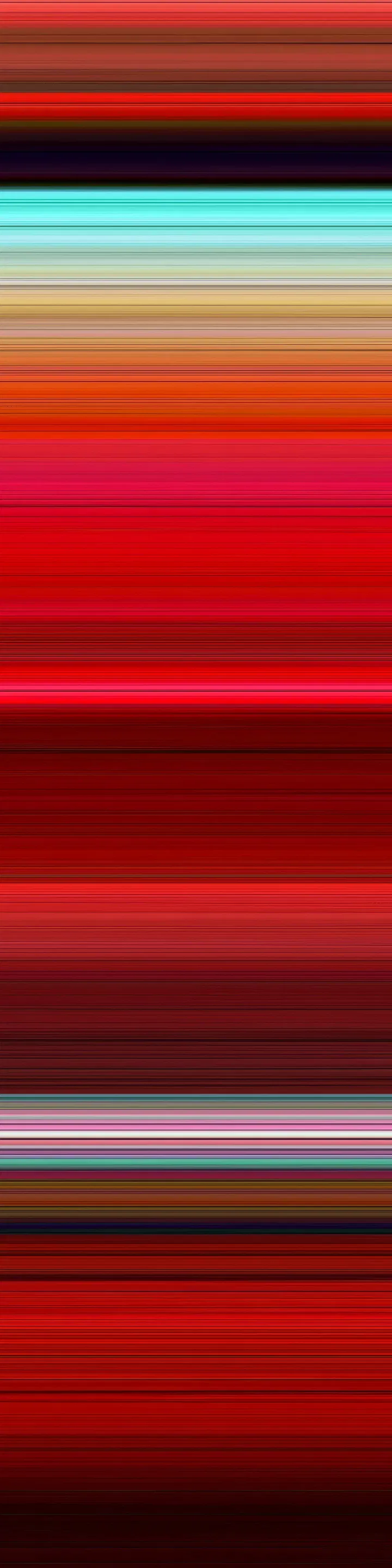
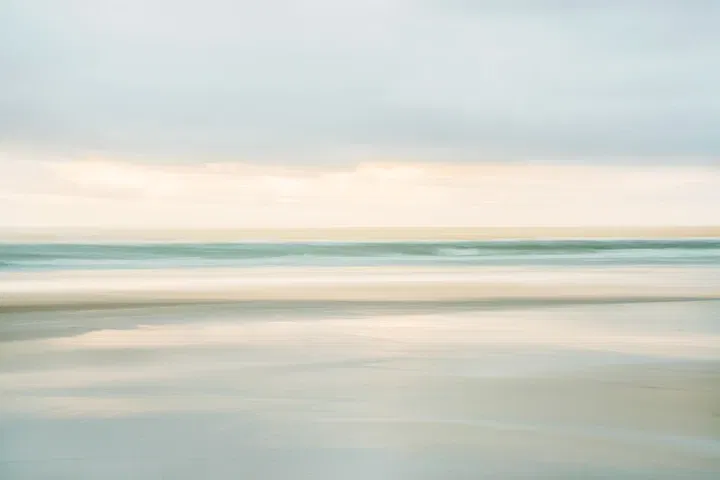
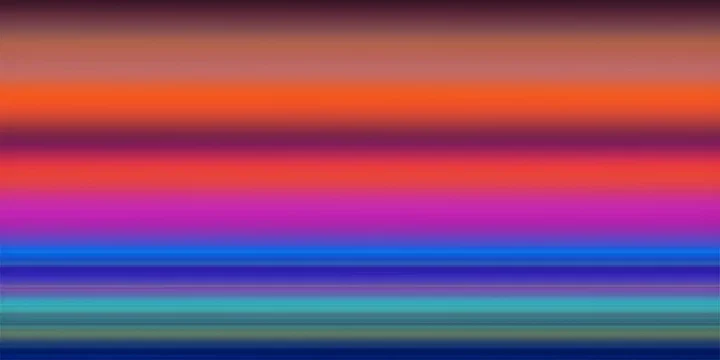
In ‘Beyond the Horizon’, this principle is distilled into one of the most fundamental lines of our perception. Horizontal bands of colour run through the compositions. The association with the sky, the sea and shifting light conditions is immediate – yet remains in limbo. Sá Fernandes abstracts the landscape to such an extent that it no longer depicts a specific place, but retains the experience of vastness.
The horizon thus becomes the thematic counterpart to her working process. For the artist, it stands for possibility, hope and the unknown: if we already knew what lay beyond it, it would no longer be a horizon. It is precisely this that gives the series its particular tension. A line that seemingly draws a boundary opens up the pictorial space to infinity. The horizon remains visible – what lies beyond is left to the imagination.
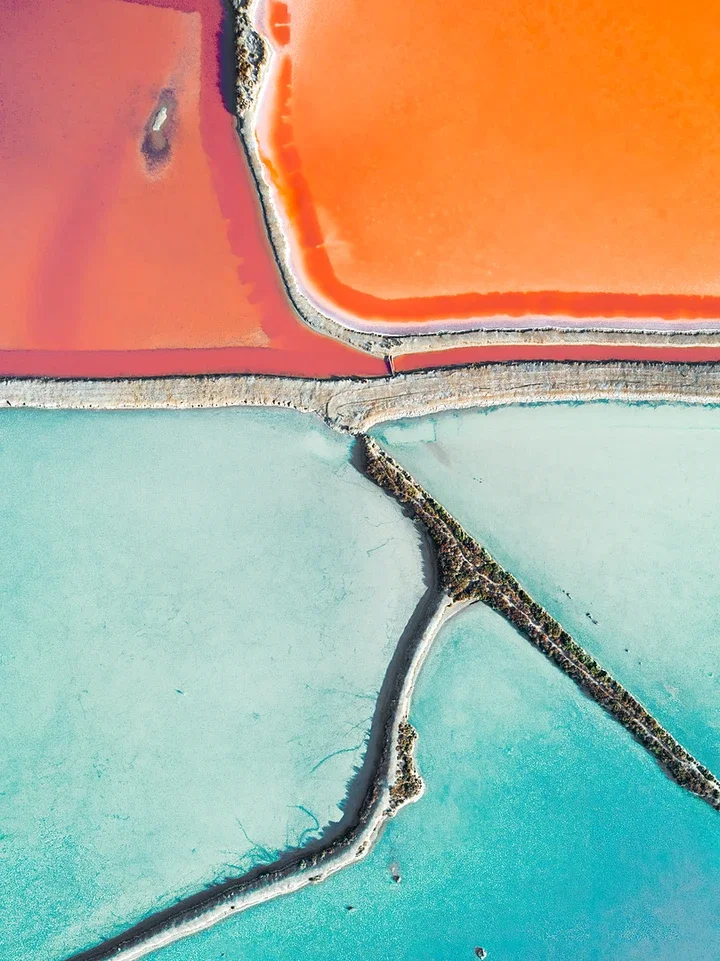
With ‘Oneness’, Sá Fernandes shifts this concept from expansiveness to densification. The horizontal order recedes, whilst colour fields draw closer together. The colours overlap in soft transitions; contours dissolve, and light seems to emerge from the colours themselves.
In her works, the sun and the sea, light and colour form a recurring source of inspiration. For the artist, who lives in Esposende, the sea in particular is associated with a deep sense of having arrived. Yet she does not translate these experiences into traditional landscape paintings. She detaches them from their concrete origins and, through photographic and digital processes, transforms them into abstraction. Carla Sá Fernandes does not simply depict the world. She absorbs what it evokes within her – and gives this feeling a visible form.
Picasso once said, “you don’t make art, you find it.” Where do you find your art?
Perhaps I found art. Perhaps art found me. Or perhaps, somehow, we found each other. I believe we don’t make art; we have art. All of us. There is art inside every person. Artists are simply people who find a way to express some of what exists inside them. That is also why the medium has never been the important part. It can be painting, photography, digital art, sculpture, music, writing — whatever allows that inner expression to find its way out. I am my art, and my art is me.
From an idea to its materialization: How do you approach your work?
There is usually no idea to materialize. I simply start creating. I pick up whatever medium feels right and begin — without a preconceived idea of what the final work should be. In photography, I manipulate the image as I go; in painting, I create as I go; in digital work, the same principle applies. I react to what emerges and let one decision lead to the next. If I am working within an existing series, the work ultimately needs to belong to that series. If it does not, perhaps it is the beginning of a new one. I only know that afterwards. Trying to reproduce something I have already imagined would take away the part I enjoy most: not knowing what will happen.
What is your favorite book?
I have never been very good at choosing just one favourite book, but if I had to choose, it would probably be Dona Flor and Her Two Husbands by Jorge Amado. What I love about Jorge Amado is the way he brings so many different worlds together so naturally — the real and the magical, the living and the dead, sensuality, religion, humour, music and everyday life. His books are wonderfully vivid and pictorial, full of colour, joy, rhythm, warmth and humanity. I love the way he creates entire worlds with words and makes you feel as though you are inside them. Choosing just one book is still unfair, though.
Which artist would you like to have coffee with and what would you discuss?
I would love to have a drink with someone genuinely interesting — and it could be any kind of artist. It would not really matter who. I would not want to ask about their technique, how they make their work or where their inspiration comes from. I would simply enjoy being in their company, having a good conversation about everything and nothing, laughing, and sharing a drink. If someone is genuinely interesting and authentic, I believe you can understand where their work comes from without having to ask them about it. And if I had to choose someone, I would probably choose Jorge Amado. He lived a life that could have filled several lifetimes — so rich in experiences, people and stories, many of them absolutely hilarious. I would not ask him anything. I would simply have loved to sit at his table at Casa do Rio Vermelho, have a beer, listen to him talk and enjoy being part of the conversation.
How did you get into art?
I didn’t. I was born this way. I have never really felt that I “got into” art. As far back as I can remember, I have always created. I simply think I have always been an artist.
Who are the people in your surroundings that influence you?
No one, really. The people around me are very important to me as human beings, but they do not influence my artistic work. My inspiration comes from within me and from the way I experience the world around me — not from particular people. I create from my own inner world, emotions, perceptions and connections.
Imagine you have a time machine. Where would you go?
I would go back to spend some time with my mother — and probably argue with her. Apart from missing her badly, I think I would really enjoy having one of those arguments with her again. She was very good at arguing, and she was one of the few people who could really keep up with the way my mind works.
Other than art, what are you most passionate about?
Apart from art? My family! I love travelling with them. I love discovering new places, experiencing different cultures, meeting people, seeing how other worlds work and simply being somewhere I have never been before. I think travelling feeds my curiosity and the way I see the world. And then there is the beach. I love everything about it — swimming in the sea, the sound of the waves, the sand under my bare feet, the breeze, the warmth of the sun on my skin, and, of course, a good caipirinha. It is the whole experience. I am also passionate about good wine, good food and, above all, life itself. I love being alive. My only real complaint is that life is far too short.
What are you working on right now?
Whatever I feel like creating that day. I never really know in advance what I will be working on. I follow whatever is calling me in the moment — a painting, a photograph, a digital work, or perhaps something completely different. I like it that way.